World
Iran threatens to close Strait of Hormuz over cease-fire violations
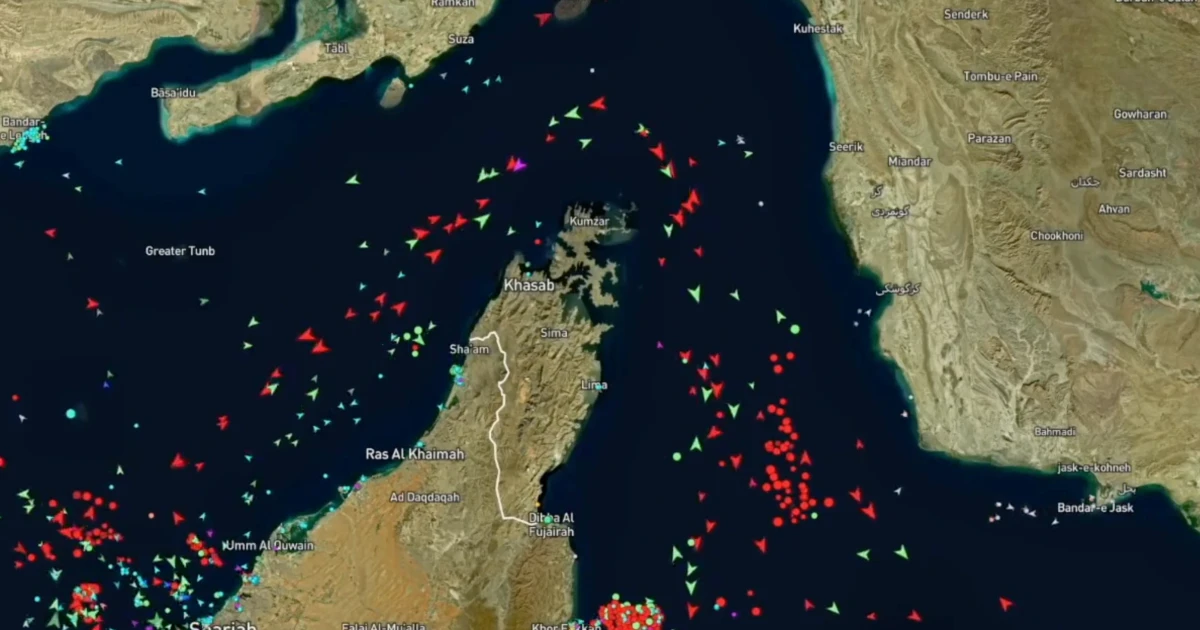
Iran’s top military command said Saturday it would close the Strait of Hormuz to vessel traffic, turning a regional cease-fire dispute into a threat against one of the world’s most important energy arteries. The warning came as Israeli strikes in Lebanon killed at least 16 people and as U.S.-Iran technical talks were set for Sunday in Switzerland.
Khatam al-Anbiya Central Headquarters said the move was a response to alleged cease-fire violations by the United States and Israel. Iranian state media described the shutdown as the “first step,” and the command warned that further measures could follow if the “aggression” continued. Tehran blamed Washington for failing to stop Israel from violating the cease-fire in Lebanon, sharpening the political stakes around the truce and the broader interim deal under discussion.
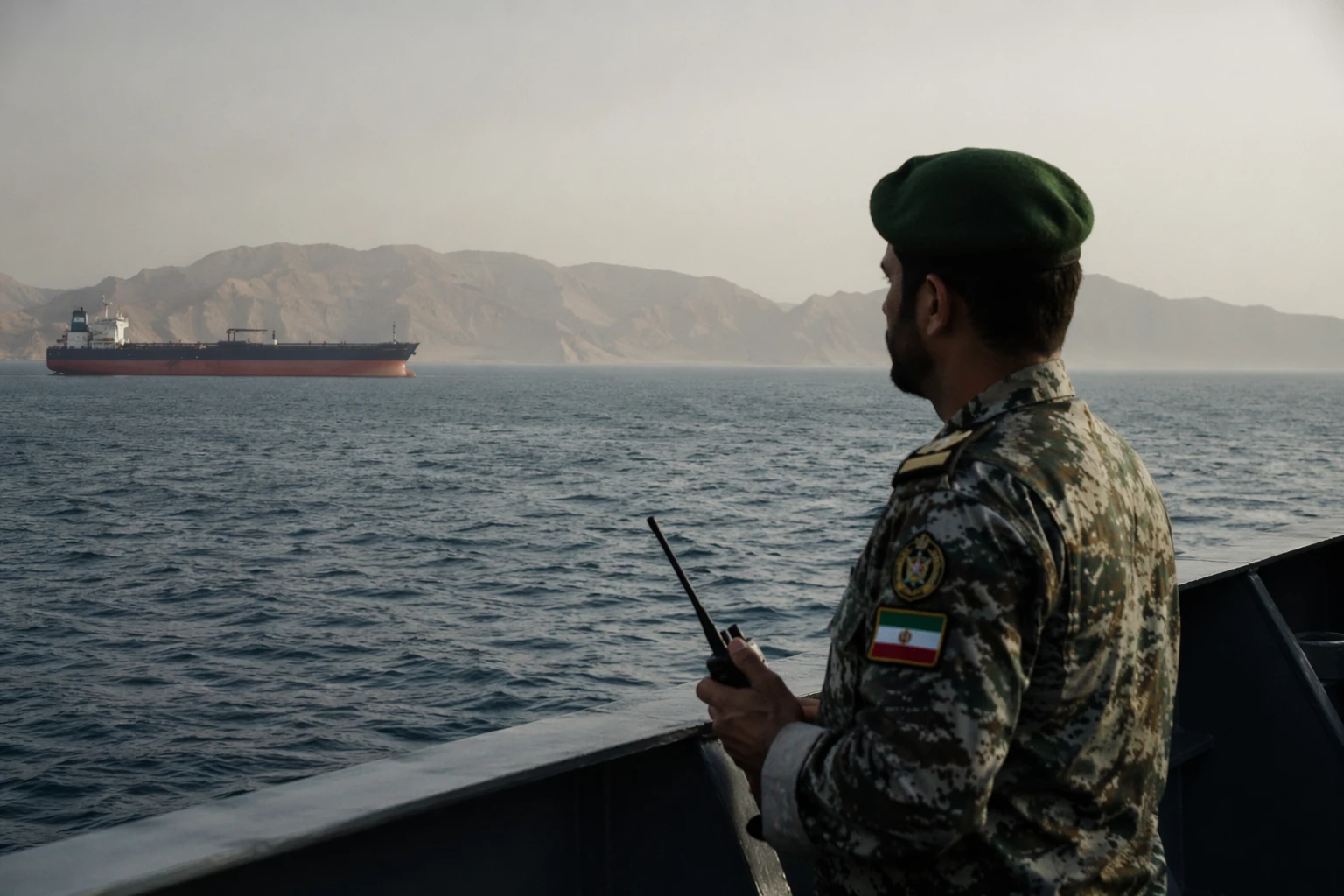
The economic significance is immediate. The Strait of Hormuz is the primary export route for oil from Saudi Arabia, the United Arab Emirates, Kuwait, Qatar, Iraq, Bahrain and Iran, according to the International Energy Agency. The Congressional Research Service says roughly 27% of the world’s maritime trade in crude oil and petroleum products passes through the strait, along with about 20% of global LNG trade. That means any sustained disruption would not stay local: it would hit tanker schedules, send shipping insurance costs higher, and eventually filter into fuel prices in the United States and other importing countries.
The military risk is just as stark. A narrow waterway carrying so much of the world’s oil leaves little room for error if naval forces, commercial ships and missile threats converge. In past flare-ups near Hormuz, insurers sharply raised war-risk premiums, showing how even limited disruption can rattle energy markets without a full blockade ever taking shape. A claimed closure, even before it is independently verified on the water, can still force shipowners, traders and militaries to prepare for the possibility that the chokepoint might tighten fast.
The threat landed while the cease-fire in Lebanon remained fragile. Lebanese authorities and state media said Israeli strikes on Saturday hit multiple locations in southern Lebanon and the Bekaa Valley, and said children were among the dead. A U.S. official had said the Israel-Hezbollah cease-fire was due to begin at 4 p.m. local time on Friday. Pakistan said the follow-up technical talks on the U.S.-Iran interim deal would begin Sunday in Bürgenstock, Switzerland, with Pakistan and Qatar acting as mediators and Steve Witkoff and Jared Kushner already in Switzerland.
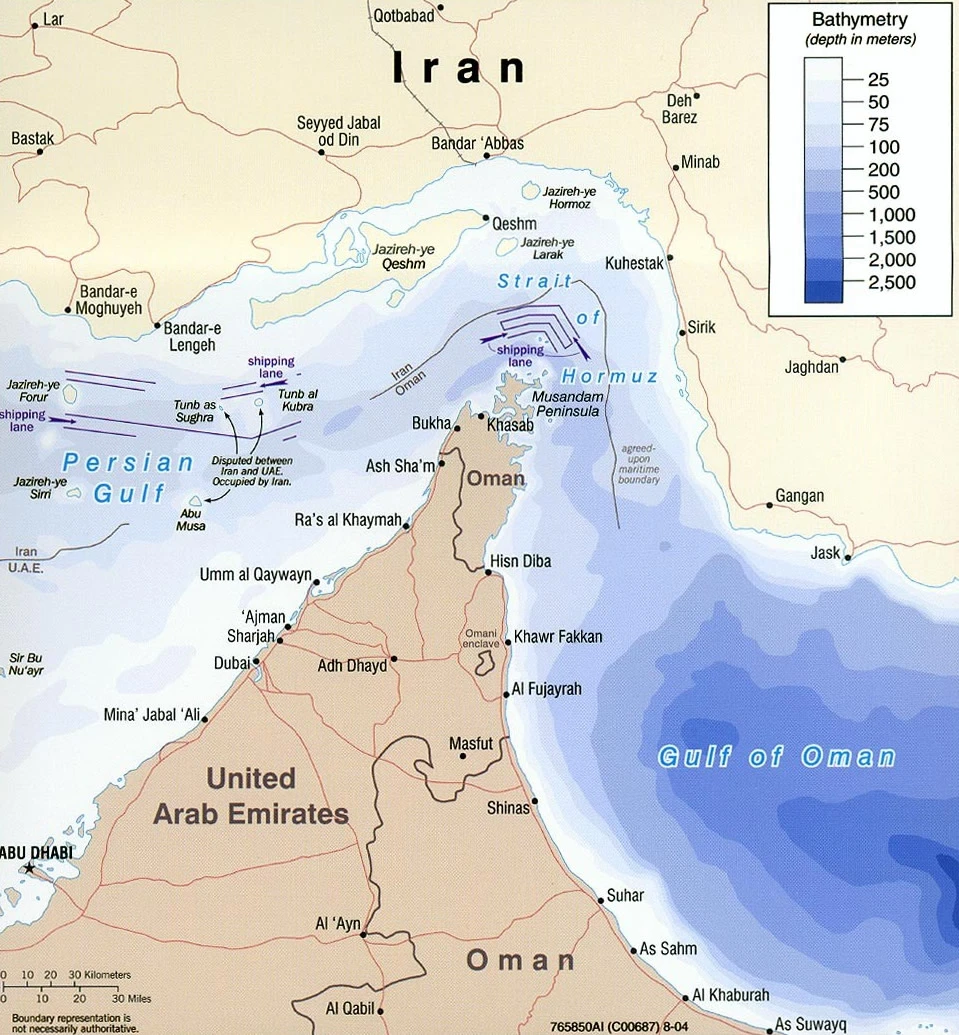
For oil markets, shipping insurers and military planners, the Strait of Hormuz remains a choke-point where political signaling can quickly turn into global economic pressure.
Sources
- [1]nytimes.com
- [2]usnews.com
- [3]newsday.com
- [4]iea.org
- [5]congress.gov
- [6]cnbc.com