US News
Iran Tightens Grip on Strait of Hormuz Amid US Tensions
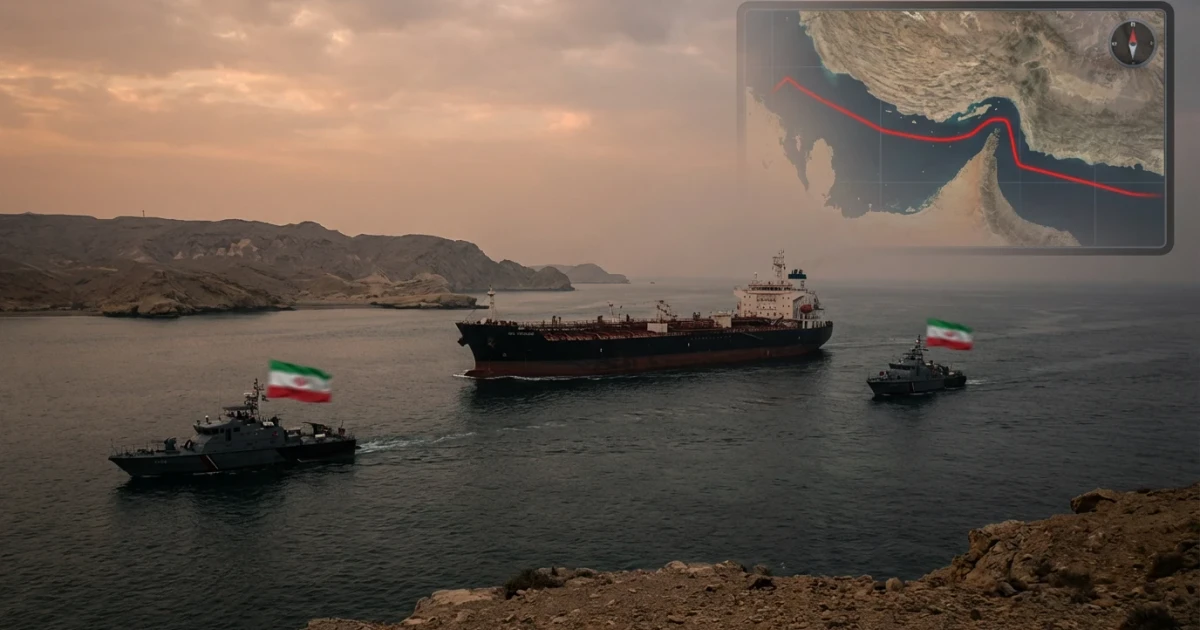
Iran has reasserted control over the Strait of Hormuz, a vital maritime chokepoint, triggering a fresh round of diplomatic tensions with the United States. The move comes as global oil markets and shipping routes face renewed uncertainty, and former President Donald Trump warns against what he described as Iranian “blackmail.”
Escalation in the Strait
According to reporting by Al Jazeera, Iran has taken assertive steps to reinforce its authority in the Strait of Hormuz, which is responsible for the transit of roughly one-fifth of the world's traded oil. The development follows a period of heightened military activity and diplomatic uncertainty in the region. Iranian officials emphasized their right to oversee navigation in the strait, a stance that has historically sparked international concern given the waterway’s critical role in global energy supplies.
- The U.S. Energy Information Administration reports that approximately 21 million barrels of oil per day—about 21% of global petroleum liquids consumption—passed through the Strait of Hormuz in recent years.
- UNCTAD statistics show the strait remains one of the busiest maritime passages for crude oil and liquefied natural gas shipments.
U.S. Response and Trump’s Statements
In response to Iran’s latest actions, former President Trump addressed the situation, cautioning against what he called “blackmail” and asserting that the United States would not be coerced by Tehran. He also confirmed that back-channel communications with Iranian officials were ongoing, noting, “We’re talking to Iran,” as reported by USA Today. Trump convened a situation room meeting with top advisors to assess the rapidly evolving scenario and discuss possible U.S. responses.
Both outlets highlighted the potential for escalation, with American military assets reportedly on heightened alert in the Gulf region. While the UN Security Council continues to enforce sanctions on Iran, the closure of the strait—even temporarily—has significant implications for international energy markets and maritime security.
Global Oil Markets and Shipping Impact
The strategic importance of the Strait of Hormuz cannot be overstated. As an artery for global energy supplies, any disruption can send shockwaves through markets. According to data from the Maritime Executive, thousands of vessels—including oil tankers and container ships—pass through these waters annually, making it a linchpin for world trade.
- 21% of global petroleum liquids move through the strait daily
- Key exporters using the route include Saudi Arabia, Iraq, the UAE, and Kuwait
- Any extended closure could disrupt millions of tons of cargo shipments
Diplomatic Efforts and Future Outlook
With diplomatic channels reportedly open, both the U.S. and Iran appear to be balancing brinkmanship with negotiation. Trump’s remarks indicate a willingness to engage, though his warnings against “blackmail” underscore the administration’s tough rhetoric. Al Jazeera and USA Today both note the fragility of the situation, as global powers monitor developments closely.
As the world watches for signs of de-escalation or further confrontation, the Strait of Hormuz remains a flashpoint for regional and international security. The coming days will be critical in determining whether diplomatic engagement can avert broader conflict and restore stability to this vital maritime corridor.
Analysis
Cross-referencing both Al Jazeera and USA Today confirms the gravity of the standoff: Iran’s reassertion of control is matched by heightened U.S. vigilance and diplomatic maneuvering. The consensus among analysts is that the economic and security stakes are high not only for the region but for the broader global community reliant on uninterrupted energy flows.