World
Iran Tightens Rules on Foreign Media Content
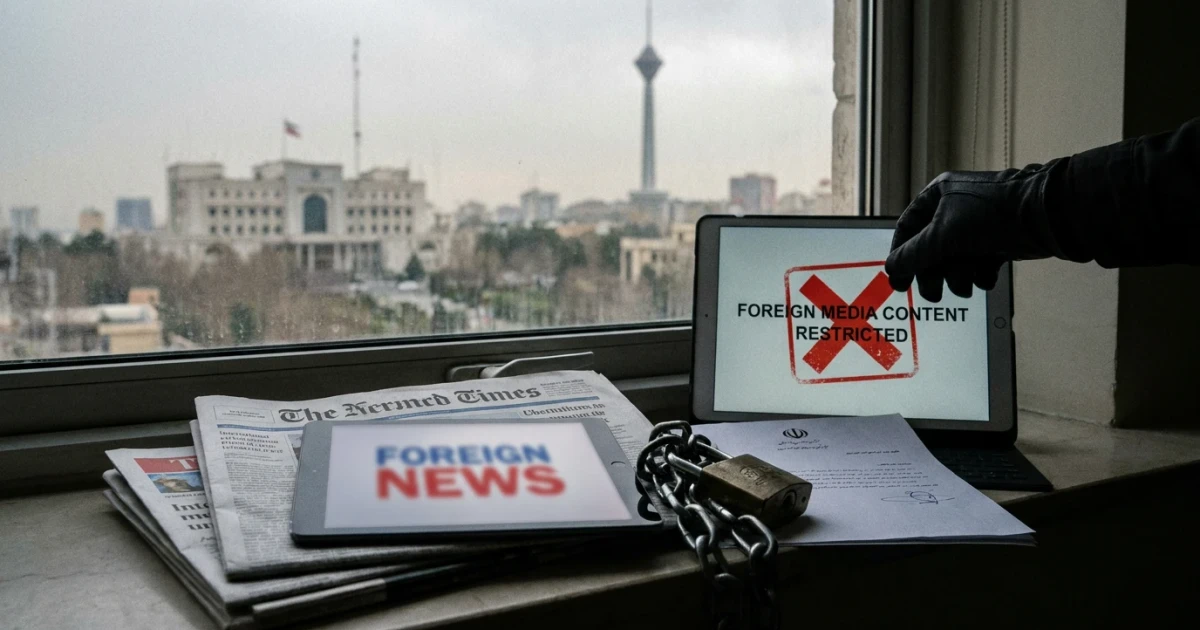
Iran has moved to further restrict the distribution of news content produced by international media outlets, marking another step in the government’s ongoing campaign to control the nation’s information environment. The policy, announced in late May, imposes additional limitations on how foreign news can be shared, accessed, and circulated within the country.
New Measures Deepen Media Restrictions
According to the Los Angeles Times, the latest regulations specifically target the dissemination of news produced by international organizations, aiming to curb both online and offline sharing of such content. This follows a pattern of increasing control over media in Iran, where authorities have long regarded foreign news agencies with suspicion and have frequently accused them of undermining national security or spreading misinformation.
- Foreign news content must now pass through stricter government filters before being published or broadcast by local outlets.
- Access to many international news websites continues to be heavily restricted or blocked entirely, according to recent analysis from Freedom House.
- Journalists and media workers face increased risks, as highlighted by the Committee to Protect Journalists, which reports that dozens have been detained or prosecuted in recent years for collaborating with or quoting foreign media.
Legal and Regulatory Landscape
The new directives build on existing laws governing press and internet freedoms in Iran. The government has previously enacted legislation to limit the use of foreign-based social media platforms and to require local licensing for all news outlets. The Library of Congress notes that recent legal changes have given authorities greater latitude to block websites and penalize individuals or organizations found in violation of media distribution rules.
These laws are enforced through a combination of technical filtering, content monitoring, and direct legal action. Experts at ARTICLE 19, a group focused on freedom of expression, have documented how regulatory bodies frequently issue warnings or revoke licenses of media outlets that fail to comply.
Impact on Media Access and Public Discourse
The expansion of restrictions is expected to further diminish the diversity of viewpoints available to the Iranian public. Statistical analyses from Statista show that while internet and social media use is widespread, a significant proportion of the population relies on foreign news sources for alternative perspectives.
- Iran ranks among the lowest globally for press freedom, as shown in the Reporters Without Borders press freedom index.
- Government control covers not only traditional outlets like newspapers and television, but also digital platforms and messaging apps.
Civil society groups warn that such measures limit open debate and restrict access to independent reporting. Analysts from Freedom House and ARTICLE 19 have noted that tighter restrictions often coincide with periods of public unrest or heightened political sensitivity.
Looking Ahead
The government’s decision to further restrict international news content signals its ongoing commitment to controlling the flow of information. While Iranian authorities maintain that these actions are necessary to protect national security and public order, critics argue that the new rules will deepen censorship and further erode media freedom.
With pressure mounting from both domestic reform advocates and international human rights organizations, the effectiveness and long-term impact of Iran’s media policies remain closely watched. For now, the expanded restrictions underscore the increasingly challenging environment faced by journalists and the Iranian public’s persistent struggle for access to diverse information sources.