Entertainment
Iran upholds jail sentence and travel ban for Jafar Panahi
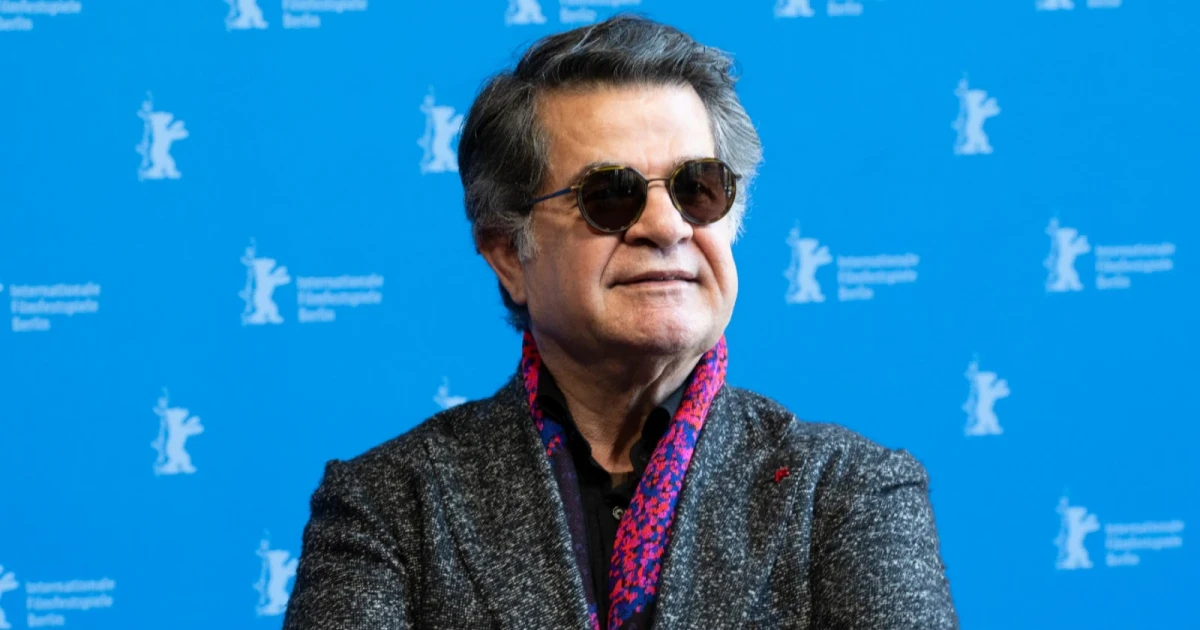
Iran’s judiciary has again moved to silence Jafar Panahi, upholding a one-year jail sentence and a two-year travel ban against the internationally known director. The in-absentia ruling, tied to a charge of propaganda against the Islamic Republic, also bars Panahi from joining political and social groups or associations, a punishment that reaches far beyond cinema and into the space of public dissent.
The case was handled by Branch 26 of the Tehran Revolutionary Court, headed by Judge Iman Afshari, after Panahi’s objections were rejected. His lawyer, Mostafa Nili, said the court kept the sentence in full. The timing matters: Panahi returned to Iran at the end of March 2026 after the 98th Academy Awards to challenge the case, and the travel ban now threatens his ability to leave the country for festivals, awards campaigns and political advocacy.
The ruling is the latest turn in a long confrontation between Panahi and the state. After backing the Green Movement protests, he was sentenced in 2010 to six years in prison and a 20-year ban on filmmaking, screenwriting and foreign travel. Iran’s Supreme Court later overturned that conviction in 2023, but the pressure did not end there. Panahi was detained in Evin prison in July 2022 and released on February 3, 2023 after a hunger strike, underscoring how repeatedly the authorities have used courts and detention to try to contain him.
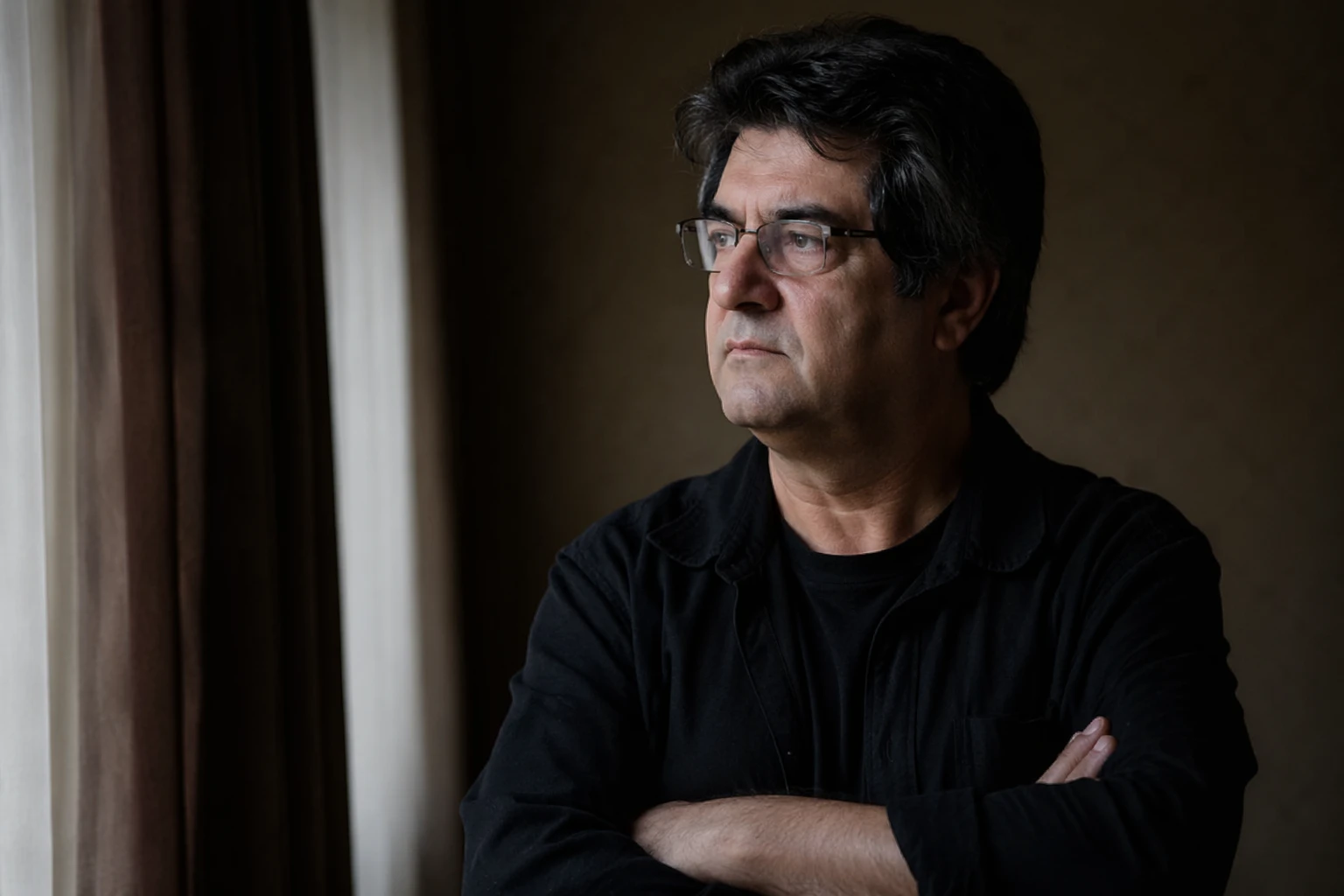
Even under those restrictions, Panahi kept working in clandestine ways, turning his living room into the set for This Is Not a Film and using a car as a mobile studio for Taxi. His latest film, It Was Just an Accident, won the 2025 Palme d’Or at Cannes and centers on former prisoners confronting a torturer, a story that made its political message impossible to miss. At Cannes in May 2025, Panahi said he felt alive through filmmaking and vowed to keep defying Iran’s rulers.
That combination of acclaim and punishment has turned Panahi into more than a celebrated director. It has made him a test case for how far Iran is willing to go to discipline artists who support protests, defend political prisoners and keep speaking after the state has tried to shut them down. The sentence signals that cultural repression remains a core instrument of control, even when the target is one of the country’s most recognizable voices on the world stage.
Sources
- [1]dw.com
- [2]hollywoodreporter.com
- [3]france24.com
- [4]cbsnews.com
- [5]festival-cannes.com
- [6]deadline.com