World
Iran, US to begin talks after preliminary deal on Strait of Hormuz
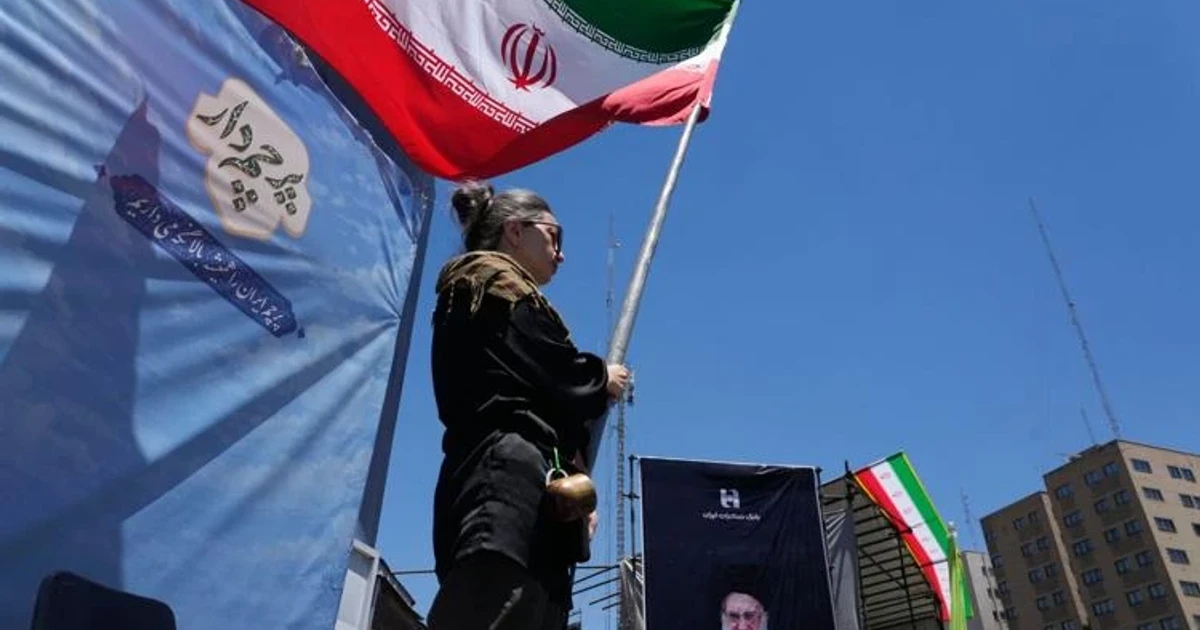
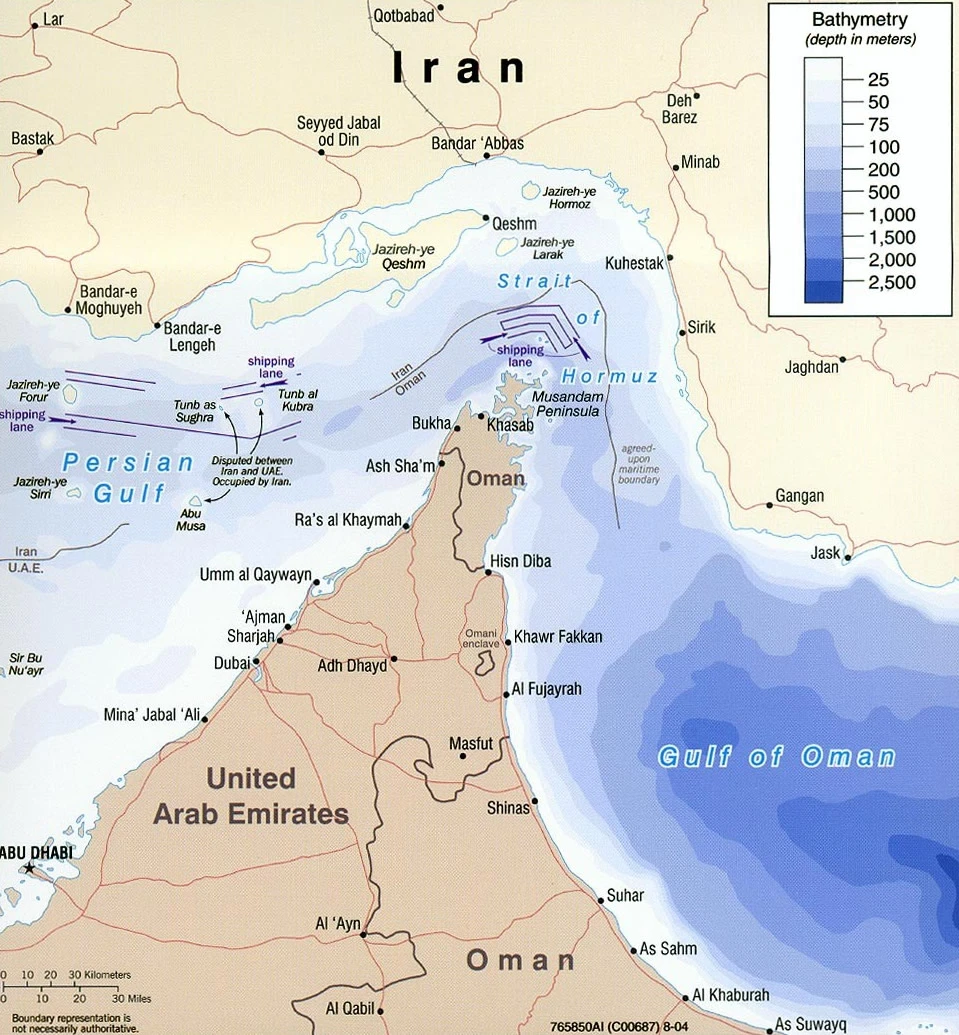
A tentative accord between Washington and Tehran would reopen the Strait of Hormuz and pause a war that has shaken energy markets, but the central test now is whether the two sides can turn a fragile framework into lasting de-escalation. Iran’s foreign minister said new negotiations with the United States would begin immediately after the preliminary deal is signed on Friday, while Donald Trump said he hoped the conflict would soon be in the “rearview mirror.”
The deal is being cast as a first step, not a final settlement. U.S. and Iranian officials have agreed on an initial text that would take effect Friday and allow the world’s most important oil chokepoint to reopen, with the signing expected in Switzerland at the Bürgenstock resort. Even so, Iran’s nuclear program and other major disputes are still being pushed into later rounds of negotiation, leaving the core security question unresolved.
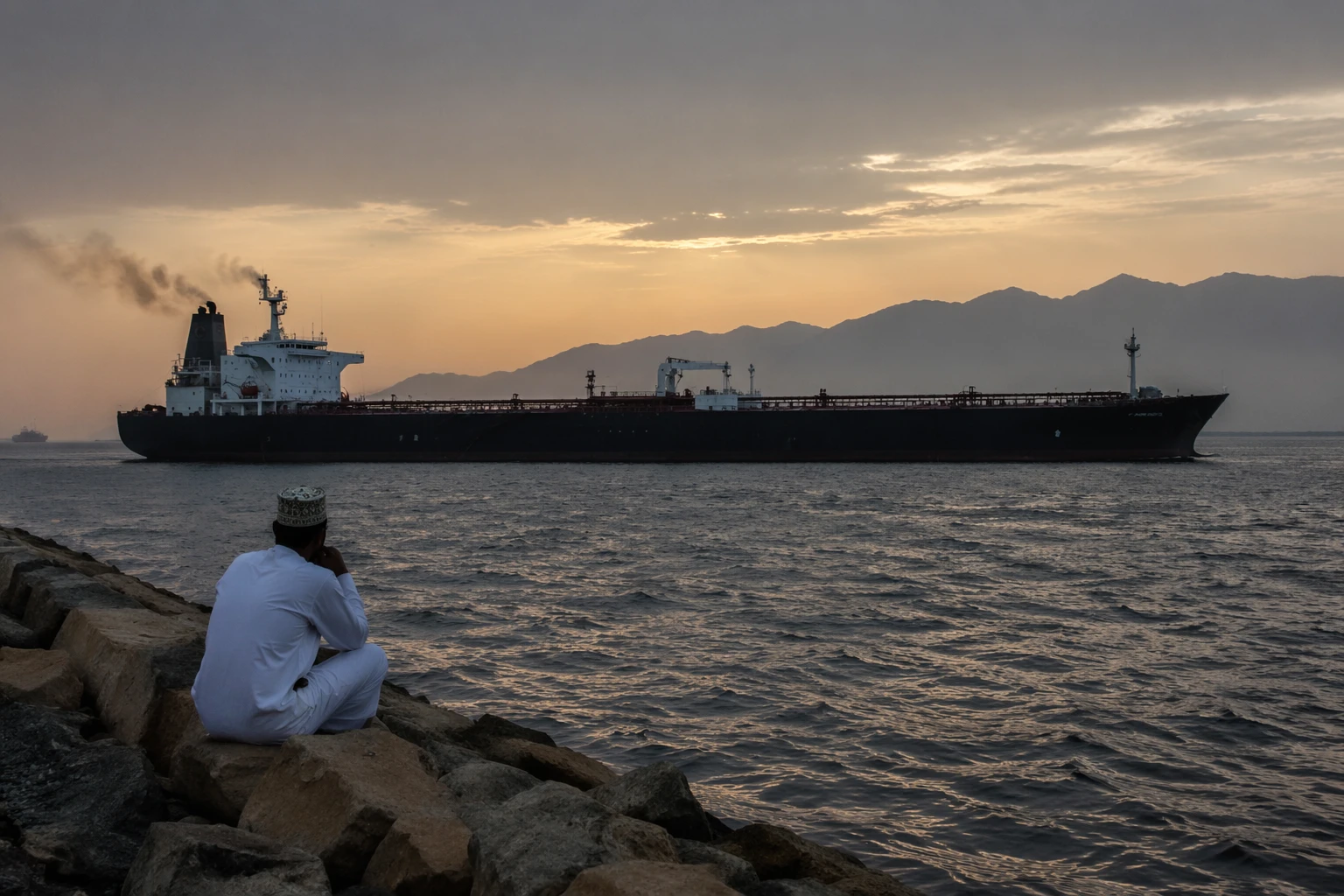
That partial relief already hit markets. Oil prices fell after news of the framework, underscoring how closely traders are watching the Strait of Hormuz, where any disruption can reverberate through global supply chains. Qatar and Pakistan have both been involved in helping facilitate the talks, including a push to finalize the agreement as negotiators tried to keep the process from collapsing under its own uncertainty.
The politics around the deal are just as delicate. Trump used the Group of Seven summit in France to signal that he wanted to move past the Iran crisis and back toward Ukraine, saying Iran was moving into the “rear-view mirror.” European leaders, however, are expected to warn that a thin interim deal could freeze the conflict without dismantling Iran’s nuclear or ballistic-missile programs, preserving the very risks the agreement is meant to lower.
Another potential flashpoint remains Lebanon. Iran’s top diplomat has indicated that the tentative deal would require Israel to withdraw from Lebanon, a condition Israel has already rejected. That demand could complicate the next phase of talks and gives opponents of the deal an opening to argue that Tehran is attaching new conditions even as it seeks sanctions relief and restored access to the shipping lane.
The talks follow months of war, repeated warnings of military escalation and Trump’s earlier threats to attack Iran before steering back to diplomacy. For now, the scoreboard is clear: the two sides have a preliminary deal, the Strait of Hormuz may reopen, and the hardest decisions on nuclear limits, regional security and missile power are still ahead.
Sources
- [1]nytimes.com
- [2]reuters.com
- [3]apnews.com
- [4]cbsnews.com
- [5]cnbc.com
- [6]rferl.org