Business
Iran war adds about $1,000 in costs per U.S. household, Moody's says

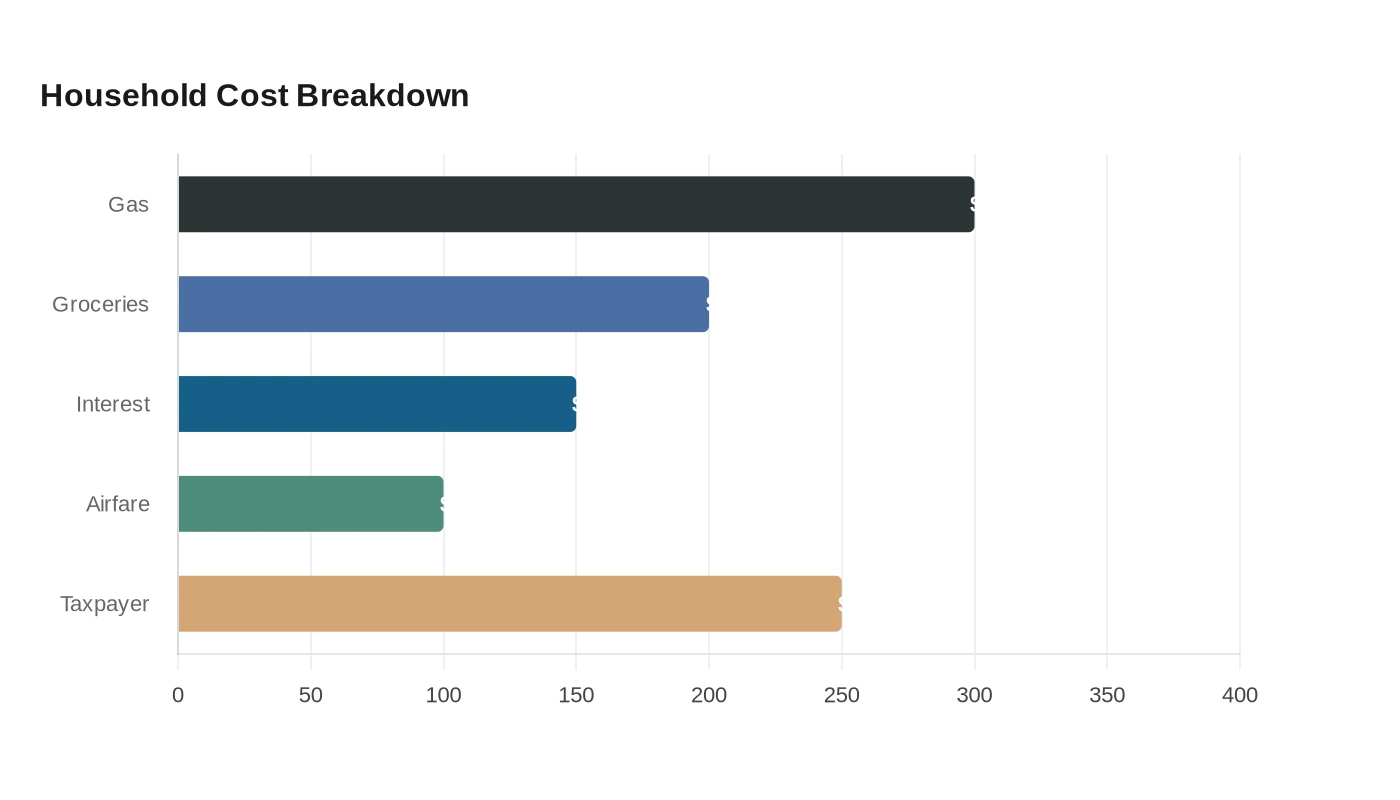
Americans have already paid roughly $1,000 per household since the Iran war began on Feb. 28, 2026, Mark Zandi, Moody’s Analytics’ chief economist, estimated. His breakdown puts about $300 of that burden in extra gasoline costs, roughly $200 in higher grocery bills, about $150 in higher interest-rate costs, about $100 in more expensive airfare and another $250 in taxpayer costs tied to U.S. military operations.
CBS News data put the nationwide average gas price at $3.93 a gallon on June 23 after it peaked at $4.56 on May 21. On May 29, CNBC put the average household’s additional fuel-related expenses at $447.19 since the war began, and Moody’s estimated energy costs alone had lifted the typical household’s tab by nearly $450. That earlier estimate also put the cumulative hit to consumers at nearly $60 billion through higher gas prices and airline fares.

Airline fares climbed more than 20% in April from a year earlier as jet fuel prices surged, pushing another slice of the conflict’s cost into family budgets, business travel and summer vacation plans. Moody’s estimated that if prices stayed at current levels, the average household could face an almost $2,000 hit by the one-year mark of the war.
Lower-income households spend a larger share of their budgets on food and energy. That makes the gas-price spike especially painful for families in car-dependent areas. Zandi said higher energy costs can force consumers to dip into savings or rely more on debt, a shift that could make an already soft economy even more cautious.
U.S. officials in April placed the total U.S. cost of the conflict at $50 billion, while a Pentagon official put the price of Operation Epic Fury at about $25 billion. Acting Comptroller Jules Hurst III gave that figure in testimony before the House Armed Services Committee, though it did not fully count damaged or destroyed equipment or U.S. military installations.
A separate Moody’s estimate on June 2 put the first three months of the war at $100 billion, or about $750 per household, saying the burden had already more than offset the benefits of Trump’s tax cuts. Talks are set to continue in Qatar on Tuesday.
Sources
- [1]cbsnews.com
- [2]cnbc.com
- [3]finance.yahoo.com
- [4]nbcnews.com