World
Iran war and Ukraine loom over Trump’s G7 summit in France
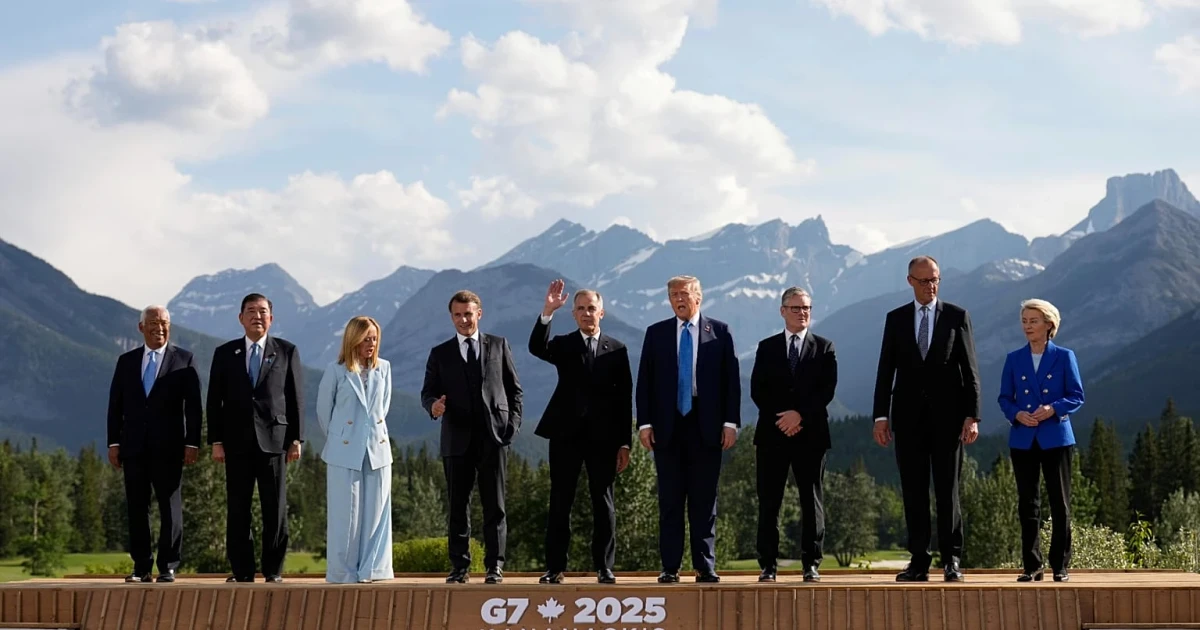
Donald Trump was heading into the G7 summit in Évian-les-Bains with the Iran war and Russia’s war in Ukraine overtaking the economic agenda that France had originally set for the meeting. Emmanuel Macron was trying to project unity and avoid a public rupture with Trump, even as the summit was expected to run June 15-17 on Lake Geneva and bring together leaders who had prepared to talk about growth, development, supply-chain resilience, illegal migration, artificial intelligence, critical minerals and global finance.
The clash carried institutional weight well beyond one summit. The G7 consists of Canada, France, Germany, Italy, Japan, the United Kingdom, the United States and the European Union, and it has operated in G7 rather than G8 form since 2014, after Russia’s violation of Ukraine’s sovereignty and territorial integrity pushed Moscow out of the format. That history gave the Évian meeting the feel of a stress test for the postwar alliance system, with Europe once again weighing how far to stay aligned with Washington when Washington is driving the military agenda.
France responded by broadening the guest list. The French government invited Volodymyr Zelensky and Middle Eastern mediators, a sign that the wars in Ukraine and the Middle East had become the dominant business of the summit rather than side issues. White House officials said Trump planned bilateral meetings with leaders including France, Qatar, the United Arab Emirates, Egypt and India, and he was also scheduled to attend a dinner with Macron at the Palace of Versailles after the G7 meeting. Those side meetings underscored how much the summit was being used to manage crises as much as to discuss them.
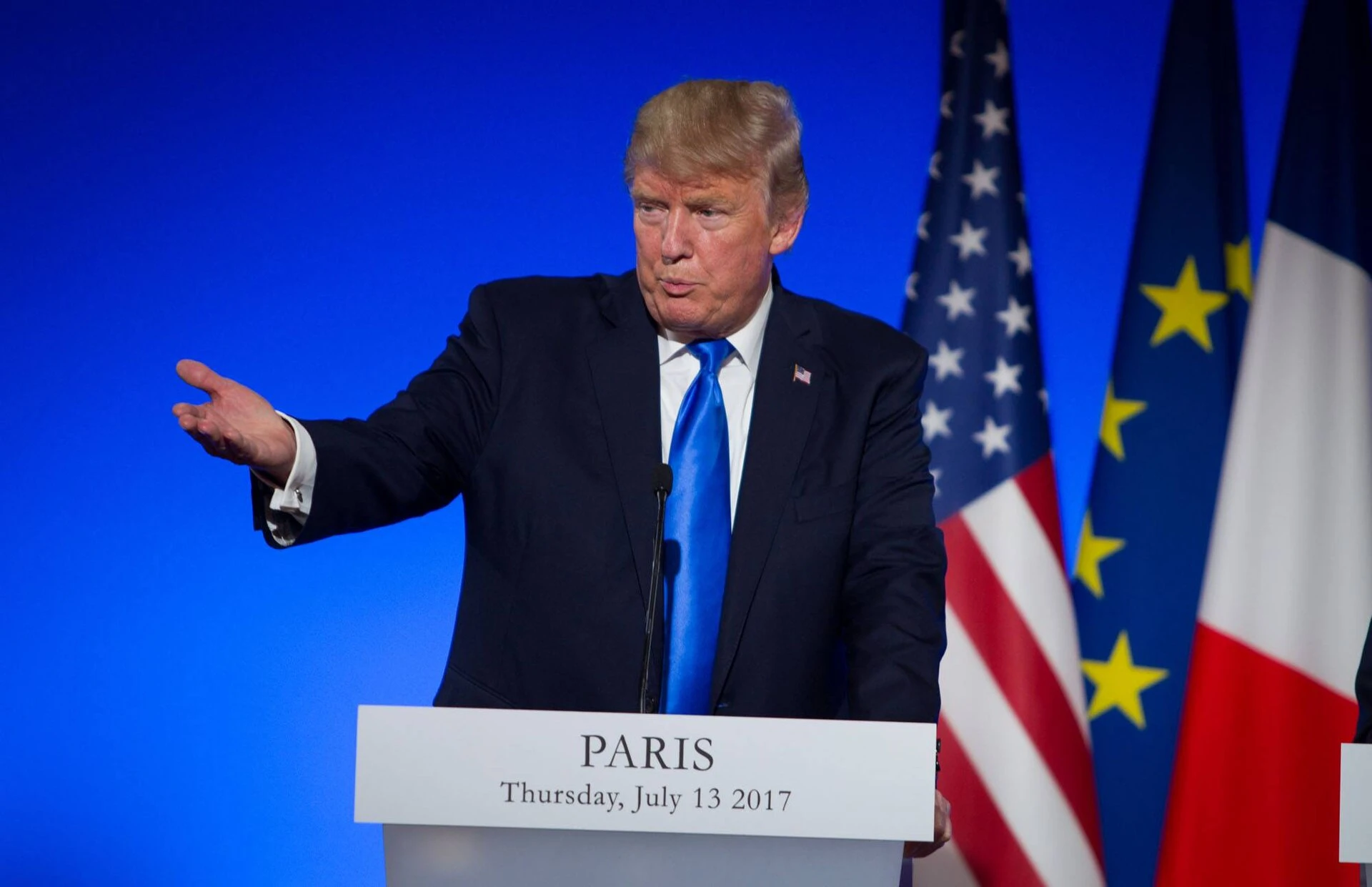
The central question was whether allies could coordinate around Iran and Ukraine without deepening the transatlantic rift that has already run through trade, NATO and wider security policy. European leaders have been wary of being pulled into U.S.-led military action, but they also remain dependent on Washington for security, leaving Macron to balance reassurance with restraint. Trump’s expected talks in France, and the pressure on him to avoid another public confrontation, showed how the G7 was being used less as a club for broad economic coordination than as a forum for crisis management and for negotiating how much strategic independence Europe can afford from the United States.
Sources
- [1]nytimes.com
- [2]usnews.com
- [3]consilium.europa.eu
- [4]apnews.com
- [5]cnbc.com
- [6]elysee.fr