US News
Iran War Fears Dominate CPAC Amid Trump Absence
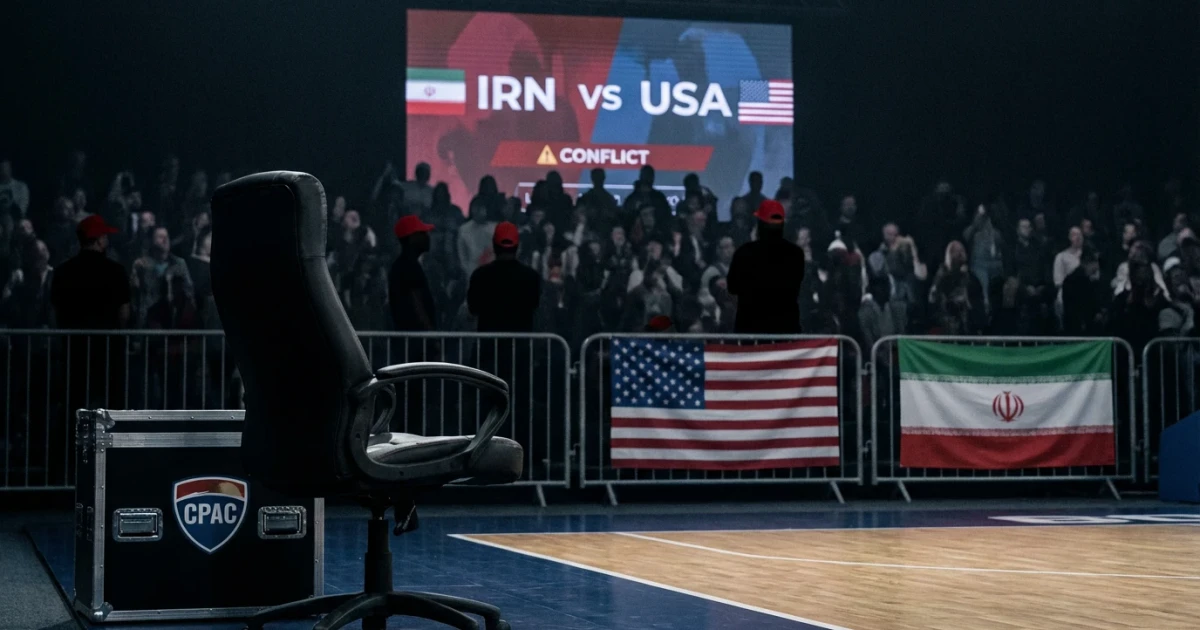
War anxiety over Iran took center stage at the 2024 Conservative Political Action Conference (CPAC), as former President Donald Trump’s absence left the event’s MAGA base grappling with uncertainty and deepening divisions. The atmosphere, described by attendees as “biblical,” highlighted the growing concern among conservatives about escalating tensions with Iran and the future direction of the party.
Trump’s Absence Leaves CPAC Searching for Direction
This year’s CPAC schedule was notable for the absence of Donald Trump, who has long been the movement’s central figure. His decision to skip the conference came at a time when the MAGA-aligned base is feeling heightened anxiety over the prospect of U.S. involvement in a new conflict with Iran. Without Trump’s direct guidance, several prominent speakers and attendees voiced concerns about the party’s leadership and strategic path forward.
According to The Guardian, the sense of unease was palpable, with attendees referencing religious themes to describe the perceived scale of the threat. The use of the term “biblical” underscored the intensity of emotion among the MAGA faithful, many of whom see the Iran situation as a test for the country’s future and for the conservative movement itself.
MAGA Base Expresses Deep War Concerns
Throughout CPAC, discussions and panels frequently returned to the subject of Iran. Concerns were stoked by recent escalations in the Middle East, which have reignited debates over U.S. military involvement abroad. MAGA activists and grassroots organizers expressed skepticism of traditional Republican foreign policy, which they often view as too interventionist.
- Many attendees worried about the consequences of a broader war with Iran, fearing it could distract from domestic priorities and undermine the MAGA agenda.
- Some speakers cited the potential for “end times” scenarios, reflecting a blend of political and religious anxiety.
- Others called for a return to Trump’s “America First” approach, advocating for restraint and questioning the motives of establishment figures pushing for military action.
This anxiety is reflected in recent Gallup polls, which show a marked increase in Republican concern over Iran and a growing wariness of foreign entanglements among the party’s base.
Party Fissures Exposed
Trump’s absence not only heightened uncertainty but also exposed deep fissures within the Republican Party. According to The Guardian, the event featured competing visions for the party’s future:
- Establishment conservatives promoted a more hawkish stance toward Iran, emphasizing national security and alliance commitments.
- MAGA-aligned speakers and activists pushed back, warning against another “forever war” and prioritizing domestic issues such as border security and economic growth.
The tension was evident in breakout sessions and informal gatherings, where debates over the best approach to Iran sometimes overshadowed other policy issues.
Policy Context and Public Opinion
The anxiety on display at CPAC takes place against a backdrop of ongoing legislative and diplomatic efforts concerning Iran. Recent moves in Congress, including the introduction of the Iran War Powers Resolution, aim to limit the president’s authority to initiate military conflict without explicit congressional approval. This legislative push reflects the broader public’s skepticism toward new wars and the enduring legacy of past conflicts in Iraq and Afghanistan.
Data from the Pew Research Center and Brookings Institution suggest that Iran remains a polarizing issue in U.S. politics, with significant differences between and within the parties regarding the appropriate U.S. response. Attitudes range from calls for aggressive action to strong support for diplomatic engagement and restraint.
Looking Ahead: MAGA, CPAC, and the Iran Debate
As the event concluded, it was clear that the question of how to handle Iran will continue to shape Republican politics heading into the next election cycle. The absence of Trump’s unifying presence left CPAC attendees searching for consensus, even as the specter of war loomed large.
With public opinion divided and the party’s base increasingly wary of foreign interventions, the GOP faces a critical test in balancing its various factions and responding to evolving threats. Whether the party can find unity on Iran—and on its broader foreign policy vision—remains to be seen.