Business
Iran war pressures European airlines into shakeout
European airlines are being forced into longer detours and tighter margins as the Iran war drives up fuel costs and exposes weaker carriers to a shakeout. The latest disruption comes after years of pandemic damage, labor shortages, inflation and fuel volatility, leaving many carriers with little room for another shock.
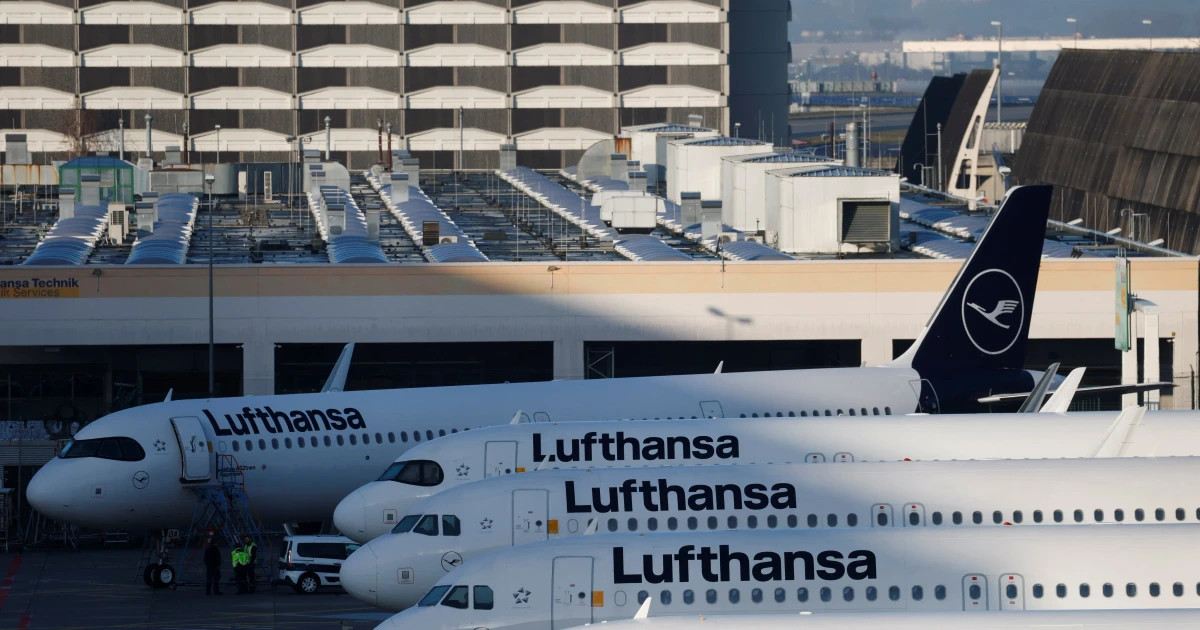
When Middle East airspace becomes too risky or restricted, airlines must reroute, adding hours to some journeys and burning more jet fuel. That can also force changes to crew rotations and aircraft use, worsening scheduling headaches just as carriers try to keep summer operations reliable and full. The pressure is not abstract: Lufthansa has already grounded planes because of high jet fuel costs, while easyJet has warned of a bigger first-half loss. Wizz Air has said the Iran conflict would mainly hit its current fiscal year, with pressure expected to ease in the next one.
The fuel market adds another layer of strain. Europe’s jet fuel stocks were already described as less than a month’s supply, a thin buffer for an industry that depends on predictable prices and uninterrupted flows. As renewed conflict in the Gulf has pushed oil higher, airlines face a narrower gap between ticket revenue and operating costs, especially on routes where competition keeps fares low.
That is why the war is pushing Europe’s airline sector toward consolidation rather than just a temporary slowdown. Carriers with stronger balance sheets and more flexible networks can absorb rerouting, insurance pressure and fuel spikes; weaker airlines may not be able to do so. If more carriers fail or are forced into mergers, travelers could see fewer route choices, less competition on some European and transatlantic itineraries, and higher fares when survivors gain pricing power.
For passengers, the near-term effect is already visible in delays, cancellations and longer trips around restricted airspace. For cargo operators, the same rerouting raises delivery times and costs. The broader result is a harsher test of which European airlines can survive repeated geopolitical shocks and which cannot.
Sources
- [1]reuters.com