World
Iran war strains Asia’s energy security, lifts China’s leverage
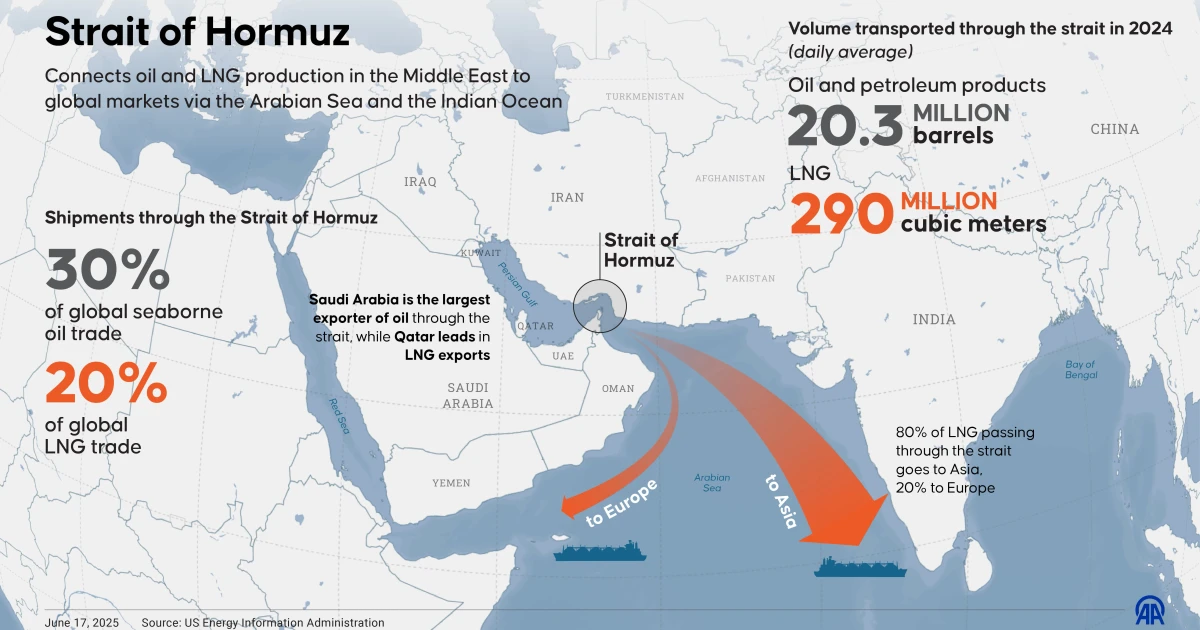
The closure of the Strait of Hormuz has turned a Middle East war into an Asia-wide energy shock, with import-dependent economies absorbing the first blow. Brookings Institution calls it Asia’s largest-ever oil shock, magnified by the region’s reliance on imported energy and a single vulnerable shipping corridor. China is not immune, but it is better positioned than many of its neighbors to ride out the disruption and, in relative terms, emerge with more leverage.
Asia’s energy security problem
The Strait of Hormuz normally carries about 20 million barrels of oil a day, and roughly 80% of that crude goes to Asian markets. About 90% of the liquefied natural gas moving through the waterway is also headed for Asia, which means the chokepoint reaches far beyond crude prices and into power generation, industrial output and transport costs across the region. TIME’s estimate puts about 80% of Asia’s oil imports through Hormuz, a concentration that leaves the region exposed whenever traffic slows or stops.
Brookings argues Washington has not mounted a coordinated campaign to help allies and partners manage the crisis. Asia’s exposure is uneven but widespread: Japan, South Korea, India and Southeast Asia all depend on imported fuel, and each faces a different mix of inflation risk, currency pressure and industrial disruption when shipping lanes tighten.
The shock is already visible in markets and policy
Maritime traffic through the strait collapsed after the conflict escalated. The Center for Strategic and International Studies puts transits at more than 153 vessel passages a day before the conflict and 13 a day after March 1, 2026, with Chinese tanker and container ships all but ceasing transits.
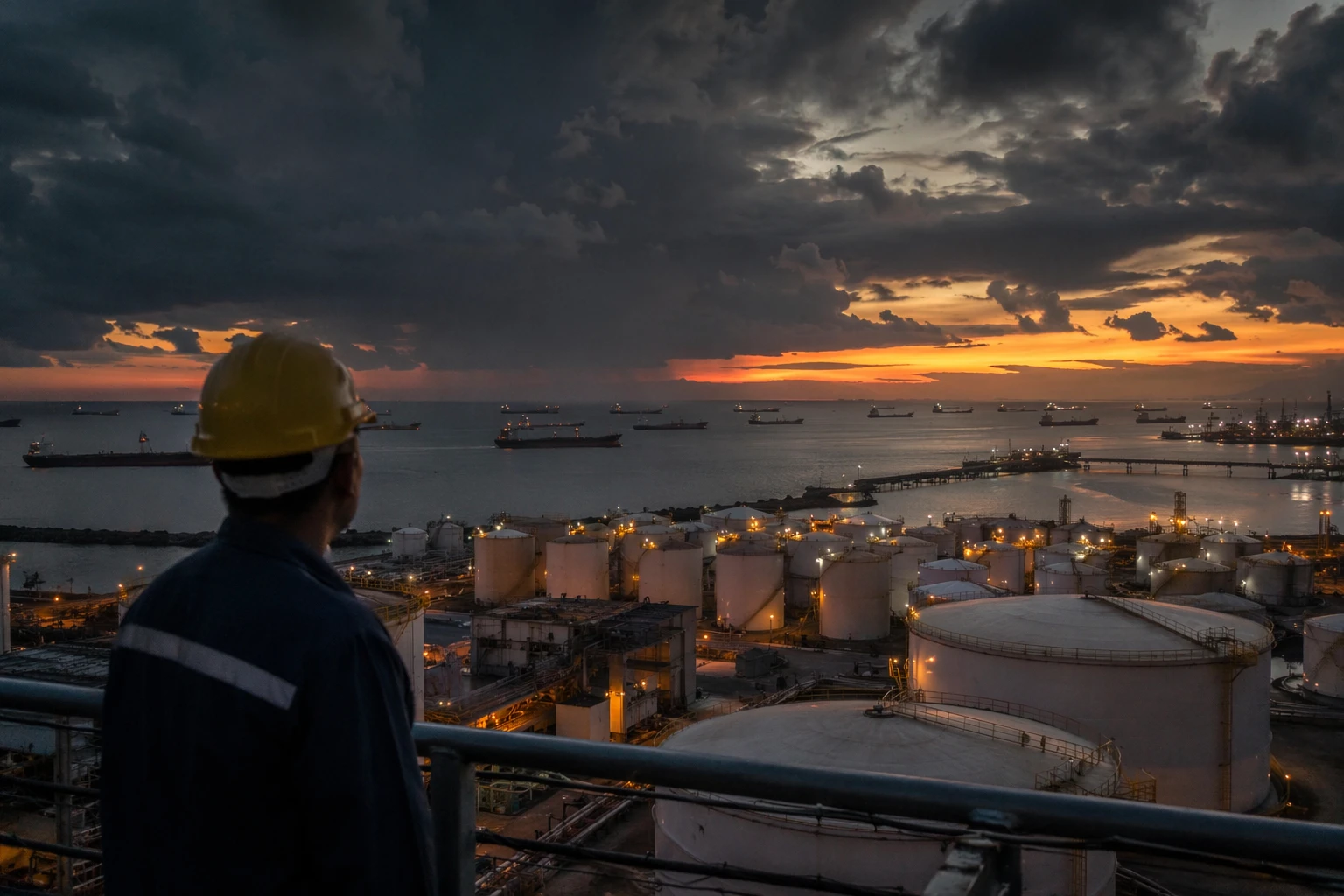
The policy reaction across Asia shows how quickly the shock moved from shipping to government decision-making. The Philippines declared a national energy emergency in late March 2026, and Thailand, Malaysia, Viet Nam and Indonesia followed with emergency energy-conservation measures. Governments across the region have also closed schools, told workers to stay home and urged fuel-saving behavior as they brace for higher transport, electricity and food prices.
Financial markets moved just as fast. The Korea Composite Stock Price Index fell by more than 12% on March 4, 2026, while the Nikkei fell by more than 7% on March 9. East Asia Forum warned that some investment banks saw oil climbing to $150 to $200 a barrel if the strait remained closed into June.
Why China has more room to absorb the hit
China enters the crisis with advantages built well before the fighting. The U.S. Energy Information Administration estimates that China added an average of 1.1 million barrels per day to strategic oil inventories in 2025, bringing holdings to nearly 1.4 billion barrels by December 2025. Columbia University’s Center on Global Energy Policy puts China’s crude imports at a record 11.6 million barrels per day in 2025, giving Beijing more scope to stockpile oil and delay the full force of a disruption.
China’s power system also gives it more flexibility than many Asian peers. Official Chinese data put renewable energy at more than 60% of installed power-generation capacity in 2025, and renewables met all growth in electricity demand in 2025. That does not eliminate oil dependence, but it does reduce near-term strain on the grid and gives policymakers more room to shield industry from price spikes.
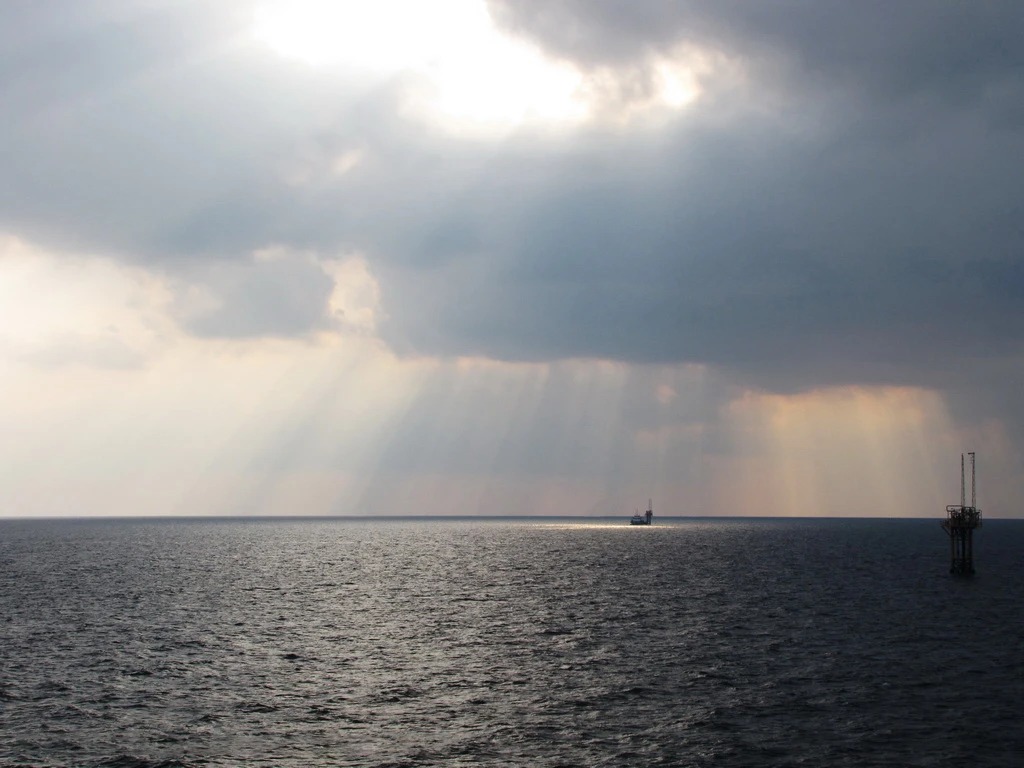
Even China’s exposure through Hormuz is offset by its size and options. CSIS puts as much as 40% of China’s oil and 30% of its LNG imports through the strait.
Beijing’s diplomatic hedge
China has also moved quickly to frame itself as a stabilizing force. On March 2, 2026, the Chinese foreign ministry urged parties to stop military operations and preserve regional security through dialogue. On April 20, Xi Jinping told Saudi Crown Prince Mohammed bin Salman Al Saud that normal passage through the Strait of Hormuz should be maintained. On June 24, Wang Yi called for the early restoration of normal navigation to stabilize global industrial and supply chains.
It protects China’s trade links, lowers the risk of direct military entanglement and keeps Beijing positioned as a partner to Gulf producers even as the crisis disrupts their Asian customers. Brookings argues China has also hoped to profit by limiting refined oil exports and positioning itself as a supplier of choice for green technology, a combination that would strengthen its hand if Asia remains dependent on Chinese industrial capacity while energy costs stay elevated.
Sources
- [1]nytimes.com
- [2]brookings.edu
- [3]csis.org
- [4]time.com
- [5]eia.gov
- [6]energypolicy.columbia.edu
- [7]english.www.gov.cn
- [8]fmprc.gov.cn
- [9]usnews.com