US News
Iran Warns of Retaliation Amid Tensions in Persian Gulf
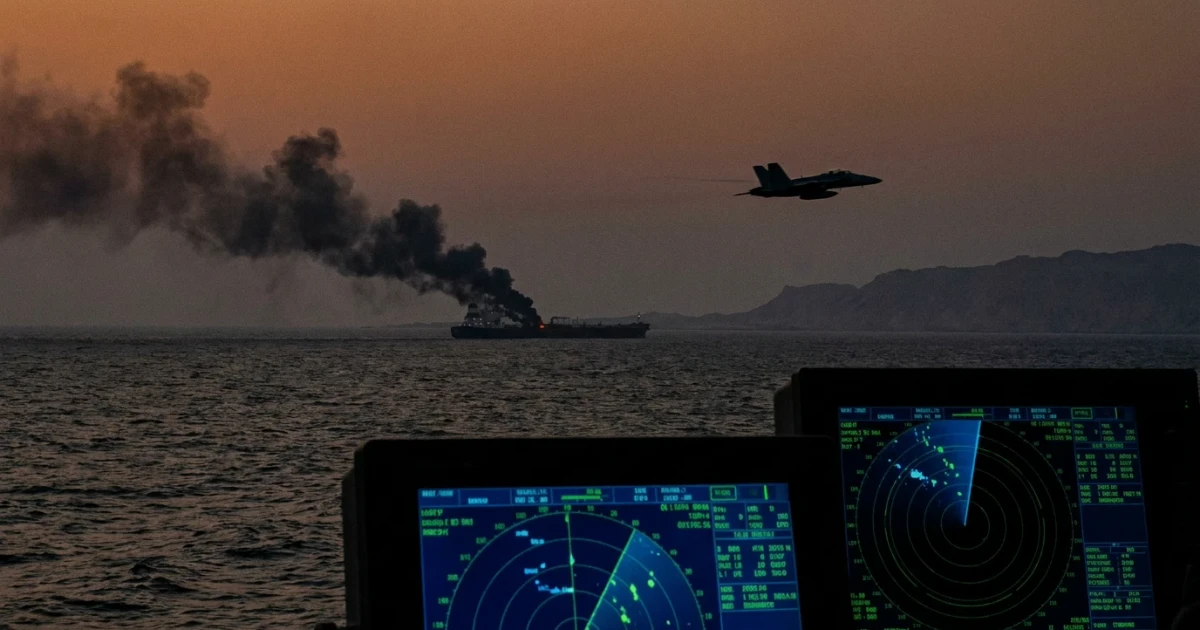
Rising tensions in the Persian Gulf have escalated further after Iran issued a stark warning of a "heavy assault" should its ships come under additional attack, following a recent US fighter jet strike on Iranian tankers. The situation unfolds as former President Donald Trump awaits Tehran's response to a proposed peace initiative, according to reporting by The Independent.
Background on Recent Military Incident
The latest flare-up centers on a US fighter jet attack targeting Iranian oil tankers navigating regional waters. The move, described by US officials as an act of deterrence, marks a significant escalation in the ongoing maritime standoff between the two nations. Iran, which has long relied on its tanker fleet for oil exports despite sanctions, swiftly condemned the strike and warned of severe military consequences if further attacks occur.
- Iran’s energy sector, including oil exports and tanker traffic, has faced repeated challenges due to international sanctions and maritime incidents.
- Official UN documents on sanctions affecting Iran provide context for the ongoing tensions.
- The Iranian military maintains significant naval and missile capabilities in the region, documented by analysts at the Council on Foreign Relations.
Iran’s Response and Threats
Tehran's official response has been unequivocal. Iranian authorities warned that any further hostile action against their ships would result in a "heavy assault" on US assets in the region. This rhetoric underscores Iran’s longstanding position that it will defend its sovereignty and economic interests, especially concerning its vital oil sector.
Iran’s navy and the Islamic Revolutionary Guard Corps Navy have previously demonstrated their ability to disrupt shipping in the Gulf, raising concerns of a broader conflict if escalations continue. For those seeking more background, detailed information about the Iranian navy offers insight into its operational doctrine and assets.
Diplomatic Overtures and Uncertainty
Simultaneously, diplomatic channels remain open but fragile. The Independent noted that Donald Trump, serving in a key diplomatic role post-presidency, is awaiting a formal response from Tehran to a new peace proposal. Details of the proposal have not been disclosed, but it reportedly aims to defuse tensions and establish a framework for future negotiations.
The dual-track approach—military posturing and diplomatic outreach—reflects the complicated dynamics of the Iran-US relationship. Previous efforts at negotiation have often been derailed by incidents at sea or accusations of bad faith from both sides.
Regional and Global Implications
The latest incident has sparked concern among global energy markets, with the Persian Gulf serving as a critical chokepoint for international oil shipments. Frequent confrontations and threats of escalation risk disrupting supply lines and raising oil prices worldwide.
- Live data on Iranian-flagged ships shows the strategic importance of tanker movements in the region.
- Iran’s ballistic missile program, detailed in recent analysis, adds another layer of complexity to the military balance in the Gulf.
While the US and its allies continue to monitor the situation closely, regional states have urged restraint and a return to dialogue. The United Nations has reiterated the necessity for compliance with international sanctions regimes and respect for maritime law.
Looking Ahead
The standoff in the Persian Gulf remains at a critical juncture. Iran’s warning of a "heavy assault" signals its intent to respond forcefully to further provocations, while the US maintains a posture of deterrence. All eyes are now on diplomatic efforts, as the outcome of Trump’s peace proposal could determine whether the region steps back from the brink or slips into deeper conflict.