US News
Iran Warns U.S. Bases Could Be Targeted Amid Rising Tensions
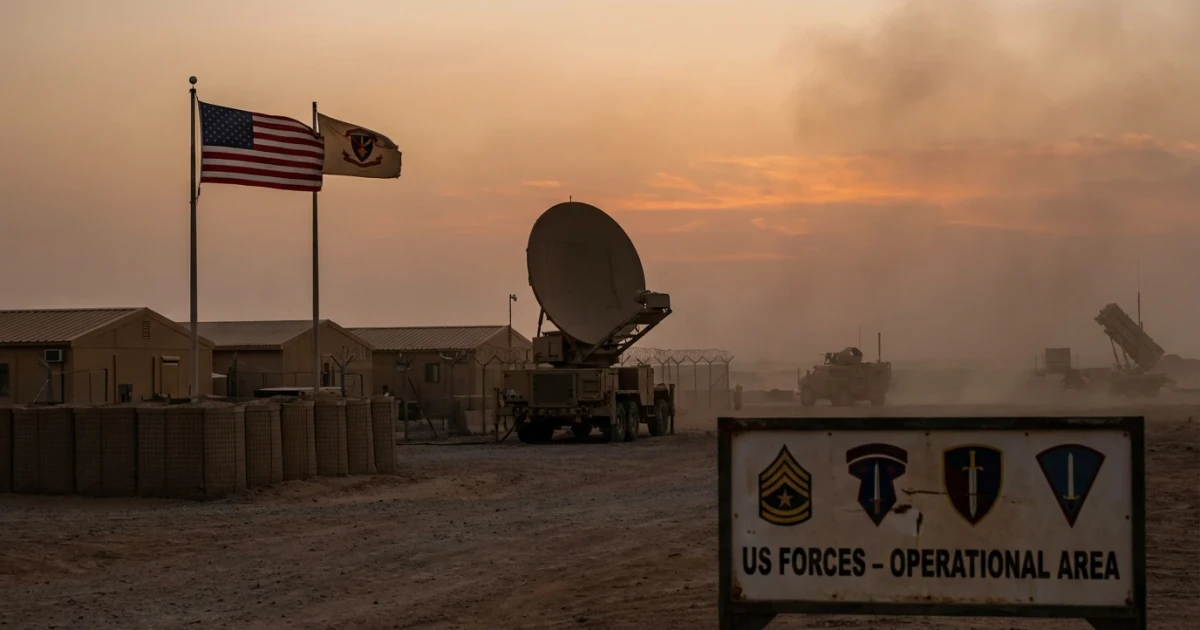
Iran’s Foreign Minister has issued a stark warning that Tehran would target U.S. military bases in the Middle East if American forces mount any attack on Iran, escalating tensions in a region where military assets are already on high alert.
Direct Warning from Tehran Raises Stakes
The warning, publicized by Iranian officials and highlighted in international media, comes at a time of heightened friction between Iran and the United States. The Foreign Minister’s statement underscored Tehran’s willingness to retaliate against American military installations in the region should the U.S. initiate hostilities.
U.S. Military Presence in the Middle East
The United States maintains a substantial network of military bases and personnel across the Middle East. According to the latest available statistics, the number of U.S. soldiers stationed in Iraq and Afghanistan has fluctuated over the past two decades, with thousands still deployed for counterterrorism and support operations. Beyond Iraq and Afghanistan, American forces are also present in countries such as Qatar, Kuwait, Bahrain, Saudi Arabia, and the United Arab Emirates.
- The U.S. hosts dozens of bases throughout the region, including the Al Udeid Air Base in Qatar and the Fifth Fleet headquarters in Bahrain.
- Estimates suggest more than 50,000 U.S. troops are stationed across the Middle East, providing strategic reach and rapid response capabilities.
As detailed by the Center for Strategic and International Studies, these installations serve not only as deterrents but also as command centers for operations against threats in the region.
Iran’s Military Capabilities and Potential Threats
Iran possesses a robust arsenal of ballistic missiles capable of reaching U.S. bases across the Middle East, as explained in a comprehensive background report on its missile program. These weapons, with varying ranges, have been developed specifically to deter foreign intervention and project Iranian power.
- Iran’s arsenal includes medium-range missiles capable of striking targets over 2,000 kilometers away, putting nearly all U.S. regional bases within reach.
- The country has previously demonstrated its willingness to use missile force, notably in retaliatory strikes following conflicts with U.S. and allied forces.
Strategic and Security Implications
The Iranian warning comes amid ongoing regional instability and recurring tensions over nuclear negotiations, proxy conflicts, and maritime security in the Persian Gulf. According to the Congressional Research Service, U.S. commanders have long viewed force protection and the defense of bases as top priorities, given the range and sophistication of threats posed by Iran and its allies.
Official statements from the U.S. Department of Defense, as found in recent press briefings, emphasize that American forces are prepared to respond to any aggression and that any attack on U.S. personnel would provoke a strong response.
Regional Reactions and Outlook
Regional governments and international observers have expressed concern that any direct clash between Iran and the United States could ignite a wider conflict, threatening energy supplies and destabilizing global markets. While both sides have occasionally signaled openness to diplomatic engagement, the latest warning signals a readiness for escalation if tensions erupt.
As both nations continue to maneuver diplomatically and militarily, the presence of U.S. forces in the Middle East—and the vulnerability of their bases—remains a focal point in the ongoing contest for influence and security in the region.
With regional dynamics constantly shifting, policymakers and military leaders are likely to maintain heightened vigilance, as any miscalculation could have far-reaching consequences for both American personnel and regional stability.