World
Iran weaponized Hormuz chaos, forcing deal to reopen oil route
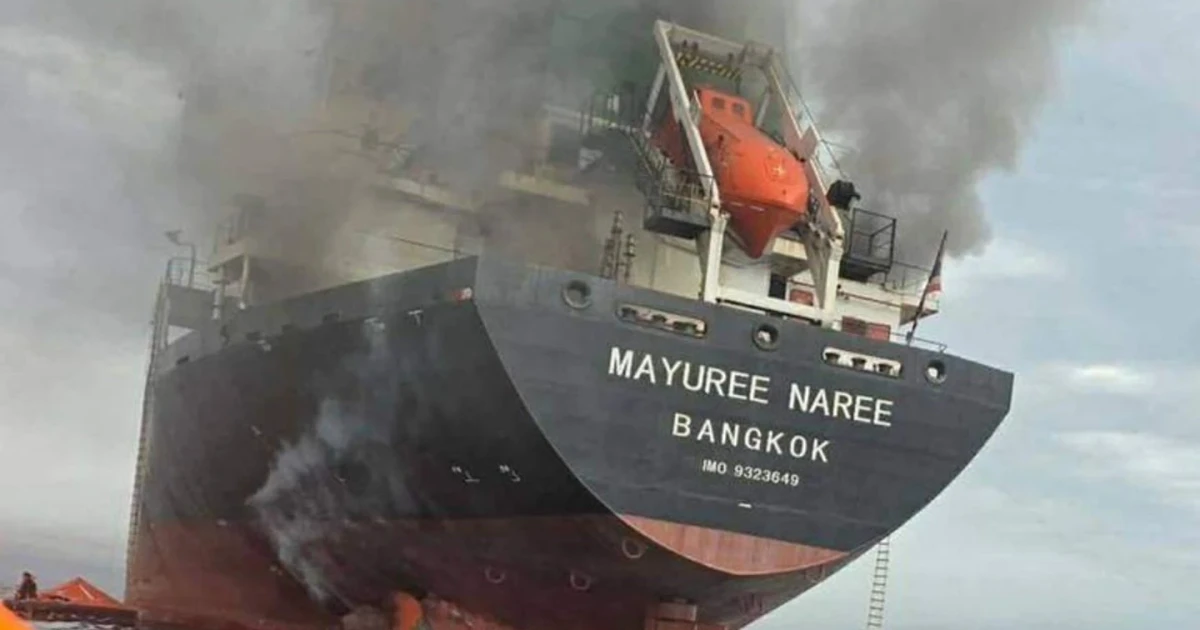
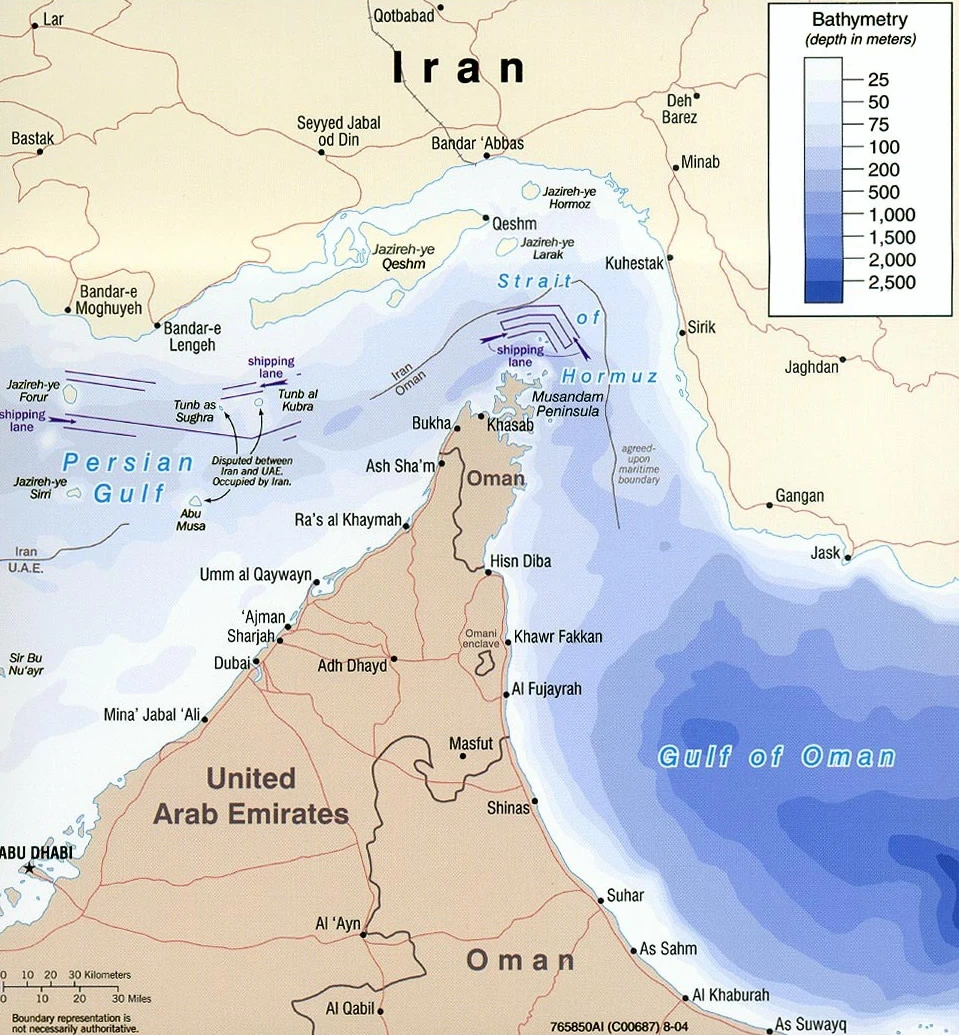
Iran emerged from a punishing war with damage on the ground and leverage at sea. After U.S. and Israeli strikes hit Iran on February 28, 2026, the conflict quickly centered on the Strait of Hormuz, the chokepoint for roughly 20% of global petroleum flow and liquefied natural gas shipments. The battlefield balance favored Washington, but the economic balance did not.
The shutdown of traffic through Hormuz was not driven only by the threat of mines or missiles. Marine war insurance for the strait dried up in March and April, and the withdrawal of cover, together with rising risk perceptions, helped halt tanker movement and jolt global energy markets. Shipping and maritime security sources said clearing mines and restoring normal traffic could take weeks even after any reopening. In practice, the market treated Hormuz as effectively closed long before any formal declaration.
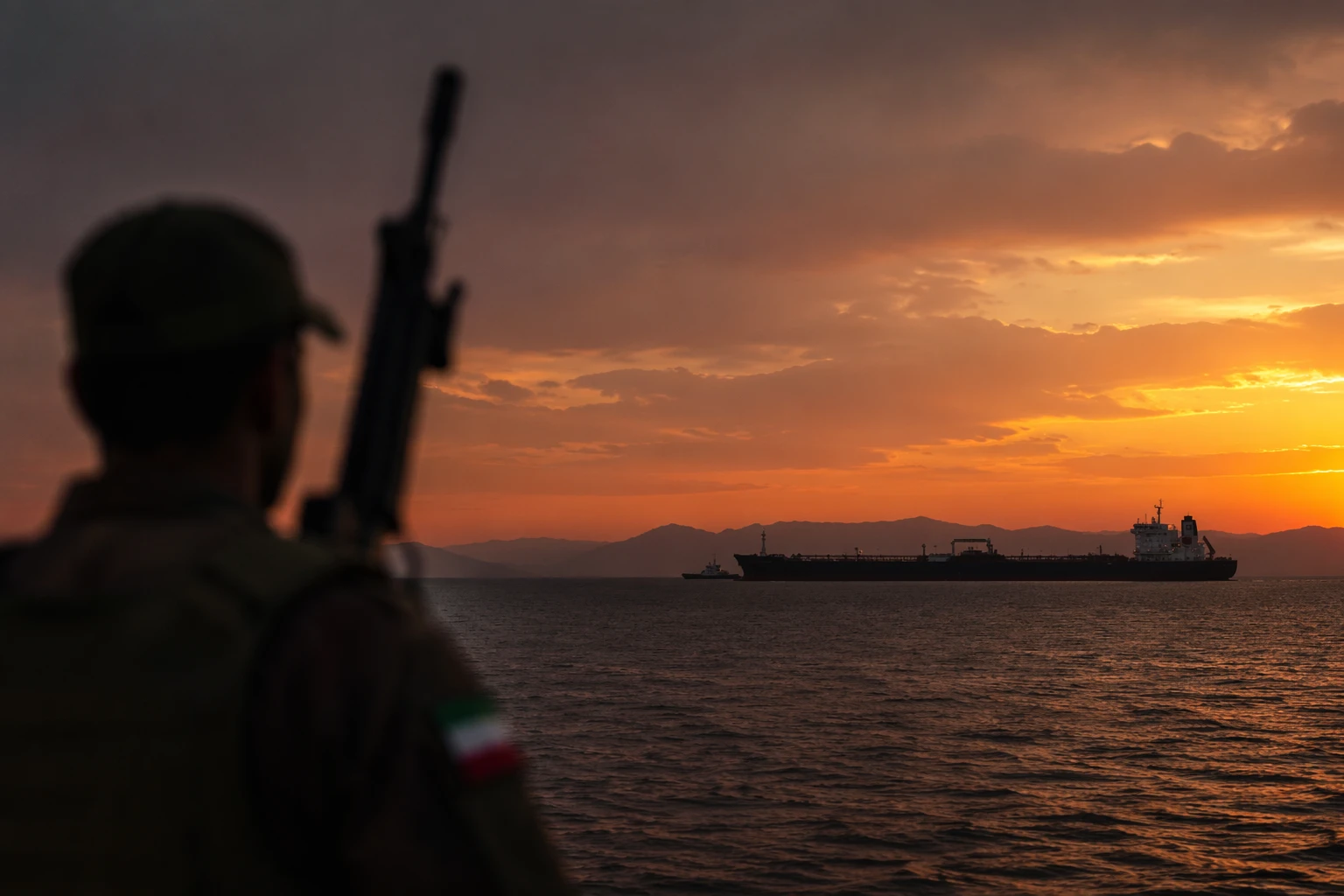
Donald Trump escalated the pressure with public demands for Iran’s “unconditional surrender” and warnings that Ayatollah Ali Khamenei was an “easy target.” But the campaign did not produce regime collapse or complete political submission. Instead, the disruption gave Tehran a way to impose costs far beyond the battlefield, turning a narrow waterway into a global energy problem.
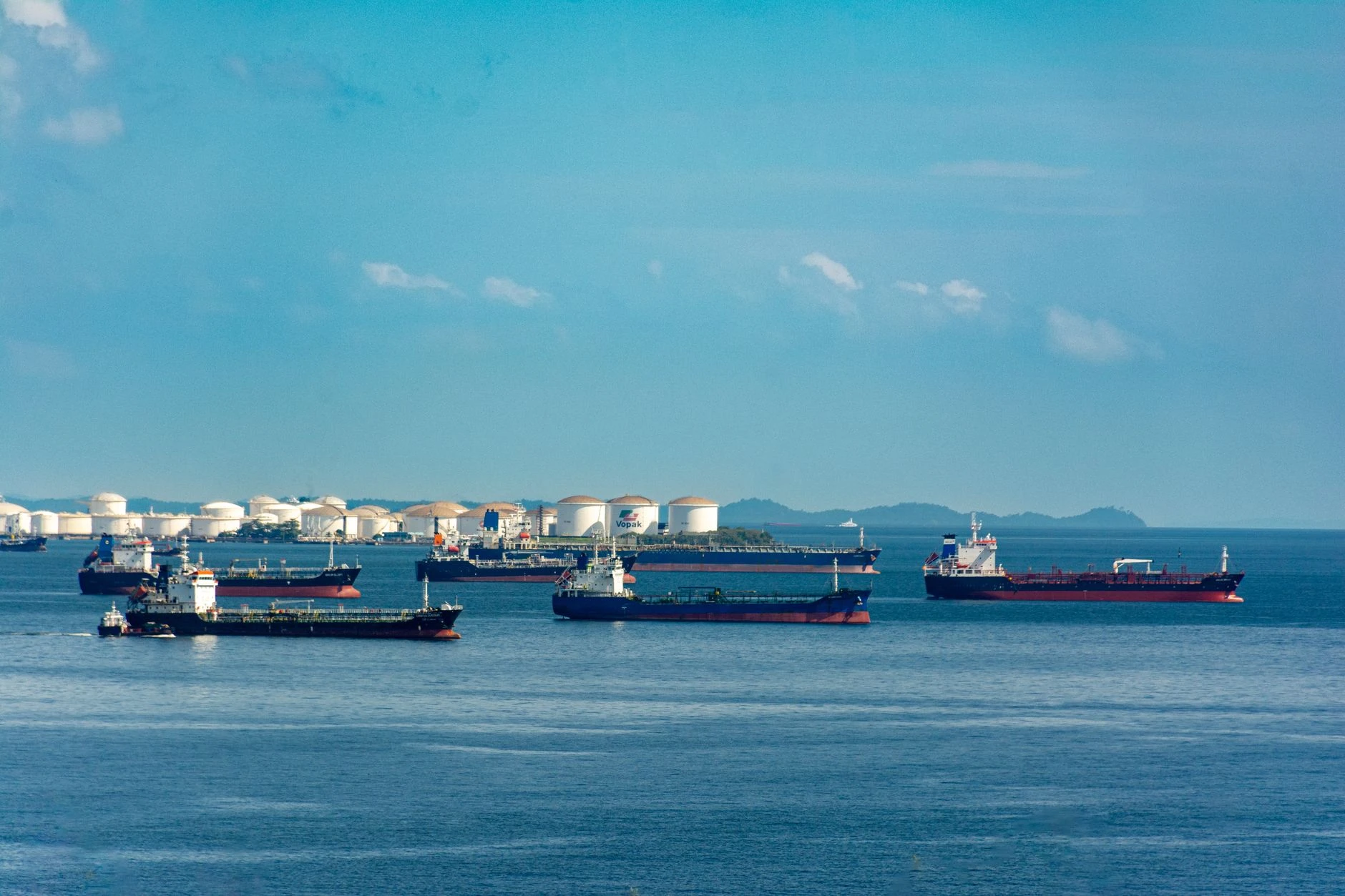
U.S. and Iranian officials later said they had reached a preliminary agreement to end the war and reopen the Strait of Hormuz. Under the reported deal, Iran would be allowed to resume sales of oil and fuel immediately, with sanctions waivers also covering banking, transportation and insurance services tied to those sales. The tentative agreement also leaves Iran’s nuclear program to further negotiations, showing how much remains unresolved.
Oil prices fell after the deal announcement, but the route was not expected to snap back overnight. Shippers and insurance underwriters remained wary, saying confidence in transit through Hormuz could take weeks to rebuild and that the lane would not fully normalize until safety was assured. The episode exposed a hard reality for Washington: military superiority can destroy targets, but it does not always translate into control over the economic chokepoints that move global commerce.
Sources
- [1]nytimes.com
- [2]foreignaffairs.com
- [3]thomsonreuters.com
- [4]spglobal.com
- [5]insurancejournal.com
- [6]reuters.com
- [7]apnews.com
- [8]aljazeera.com
- [9]home.treasury.gov
- [10]state.gov