World
Iran weighs new tolls on Strait of Hormuz shipping route
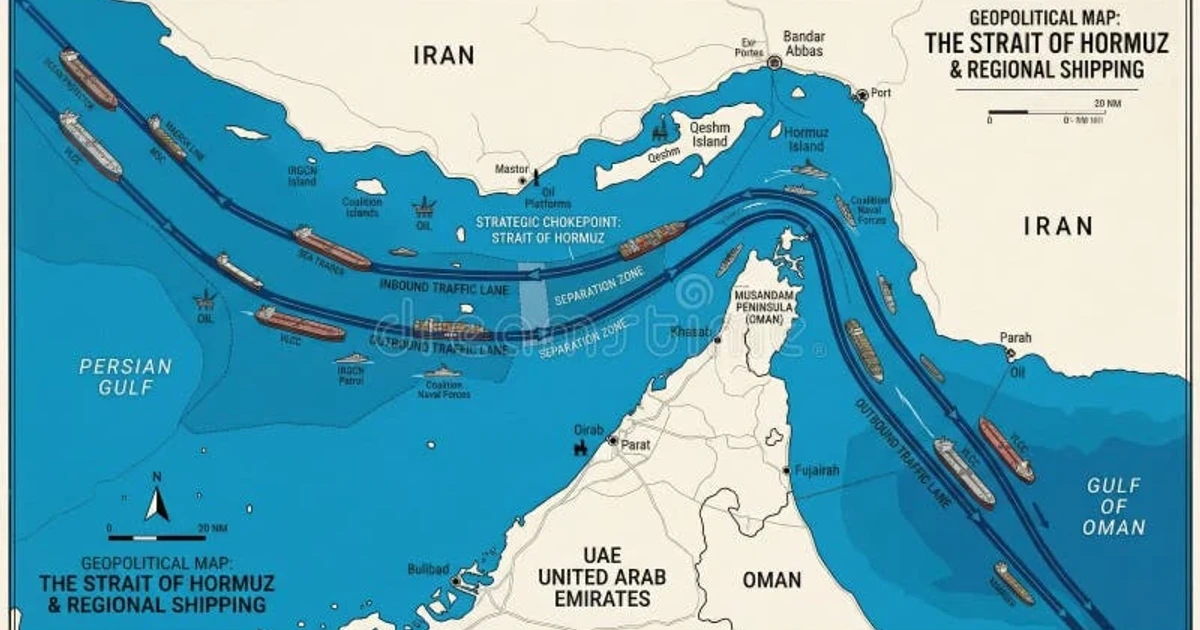
A new Iranian toll on ships passing the Strait of Hormuz would land far beyond the Gulf. Even the prospect of fees has rattled shipowners, insurers and oil traders because the waterway carries about a fifth of the world’s oil supply and a stream of fertilizers and other vital cargoes through a choke point only about 34 km, or 21 miles, wide at its narrowest point.
Under the United Nations Convention on the Law of the Sea, ships and aircraft moving through international straits have a right of transit passage that “shall not be impeded.” Bordering states can still regulate safety and traffic matters, but charging a general toll is not allowed. That legal line is why Iran’s reported plan has drawn so much attention: the fees discussed would vary by ship type, cargo and other conditions, yet it remains unclear what services Tehran would claim to provide in return.
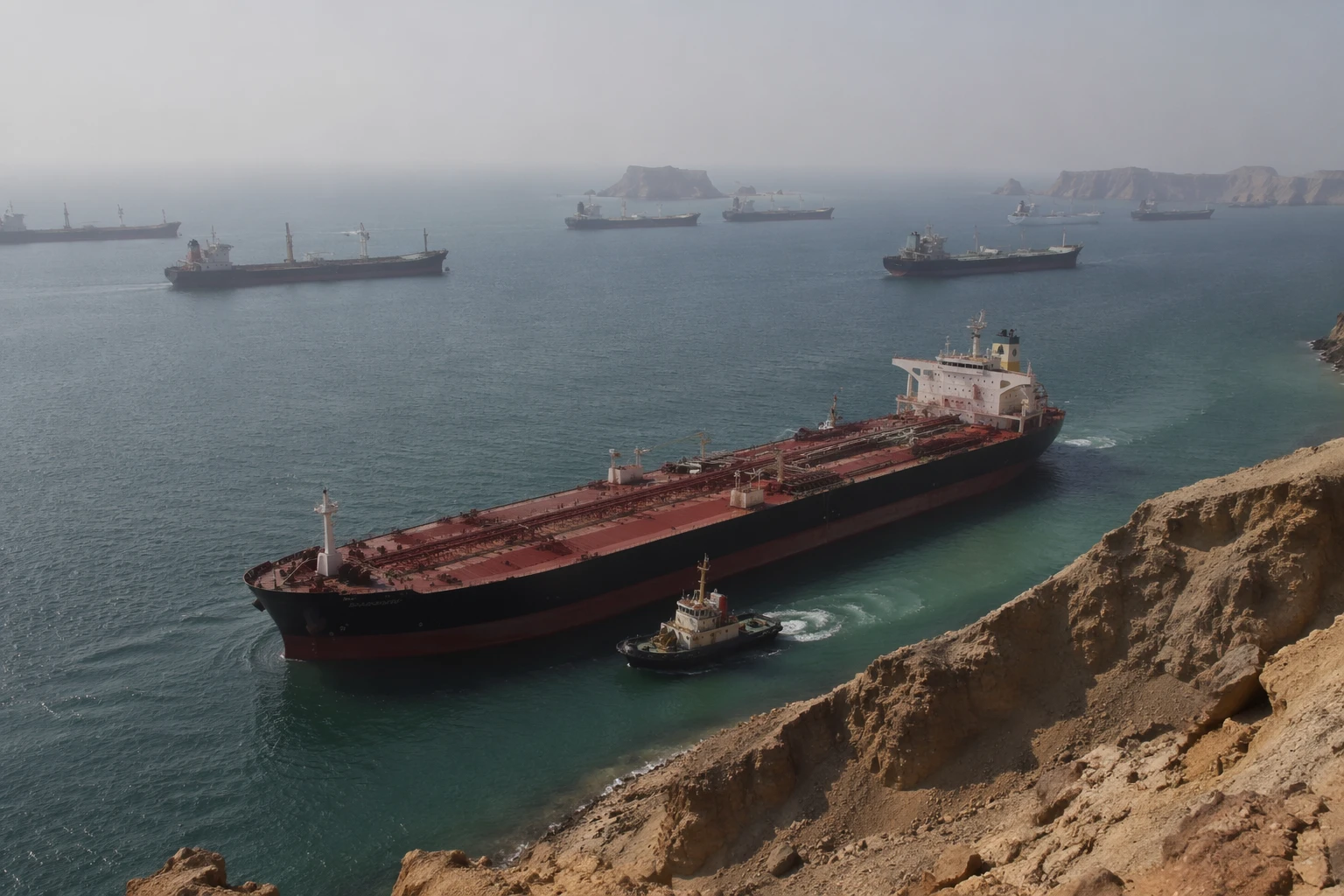
Kazem Gharibabdi, Iran’s deputy foreign minister, said Tehran was drafting a protocol with Oman under which ships would need permits and licences to pass the strait, framing the idea as a way to facilitate transit rather than restrict it. The shipping industry says no similar unilateral demand for passage fees has been made in modern history. In April, Reuters reported an unconfirmed account of at least one $2 million payment for a vessel to traverse the strait, underscoring how quickly rumours of new charges can move through the market even before rules are set.
The politics are equally important. Iran appears to be signaling leverage over one of the world’s most strategic waterways while keeping the option of a formal arrangement with Oman alive. The United Arab Emirates said the waterway “cannot be held hostage by any country,” while Qatar said all countries in the region have the right to use the strait freely and that any talk of future financial mechanisms should wait until the waterway is reopened.
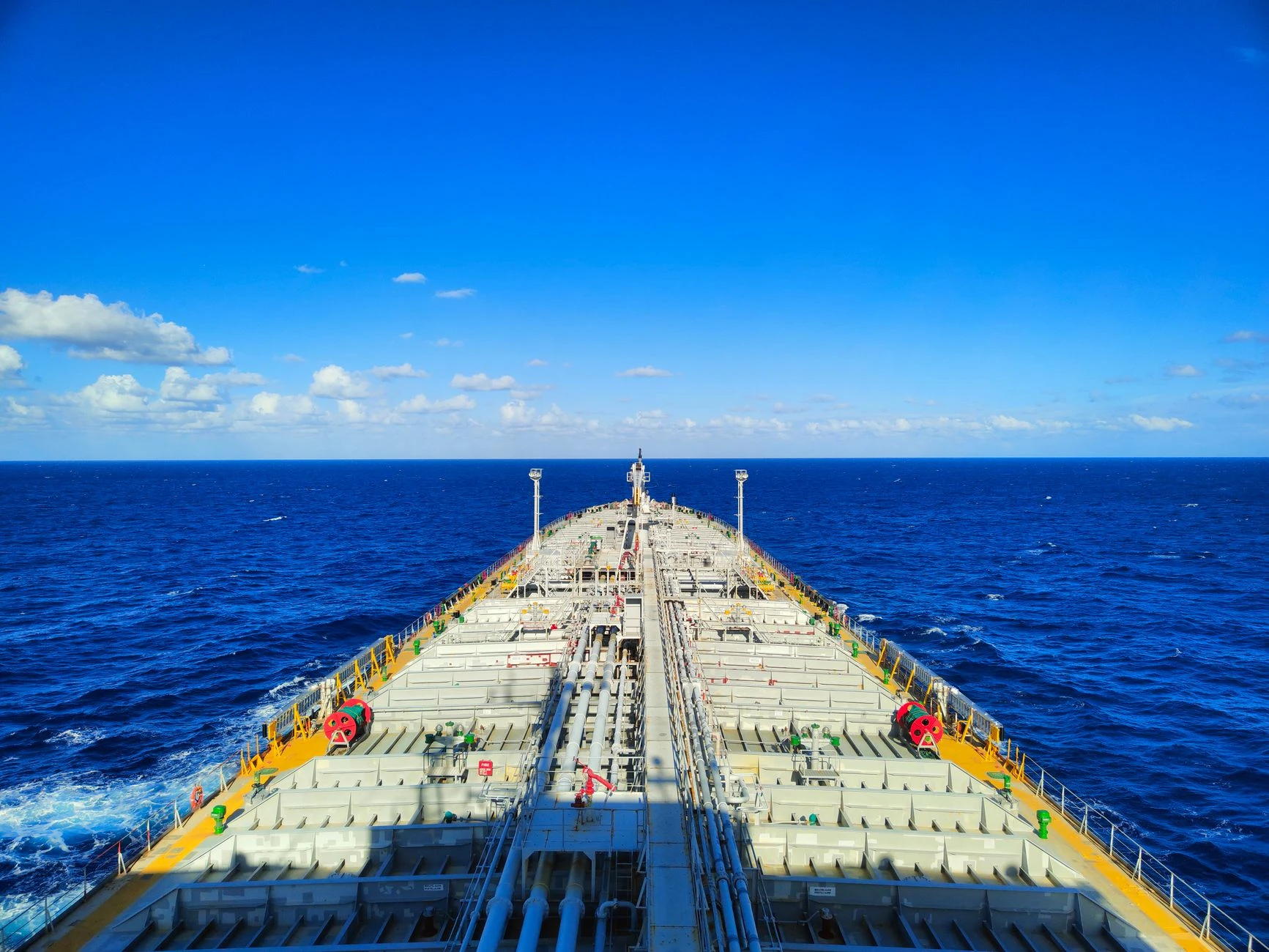
The cost of insecurity is already visible. The International Maritime Organization said around 20,000 seafarers remained trapped in the Gulf in April, with 1,600 vessels affected. It has verified 29 attacks on vessels in and around the Strait of Hormuz since the conflict began, with at least 10 seafarers killed. On March 19, the IMO Council condemned the attacks and called for an internationally coordinated safe-passage framework.
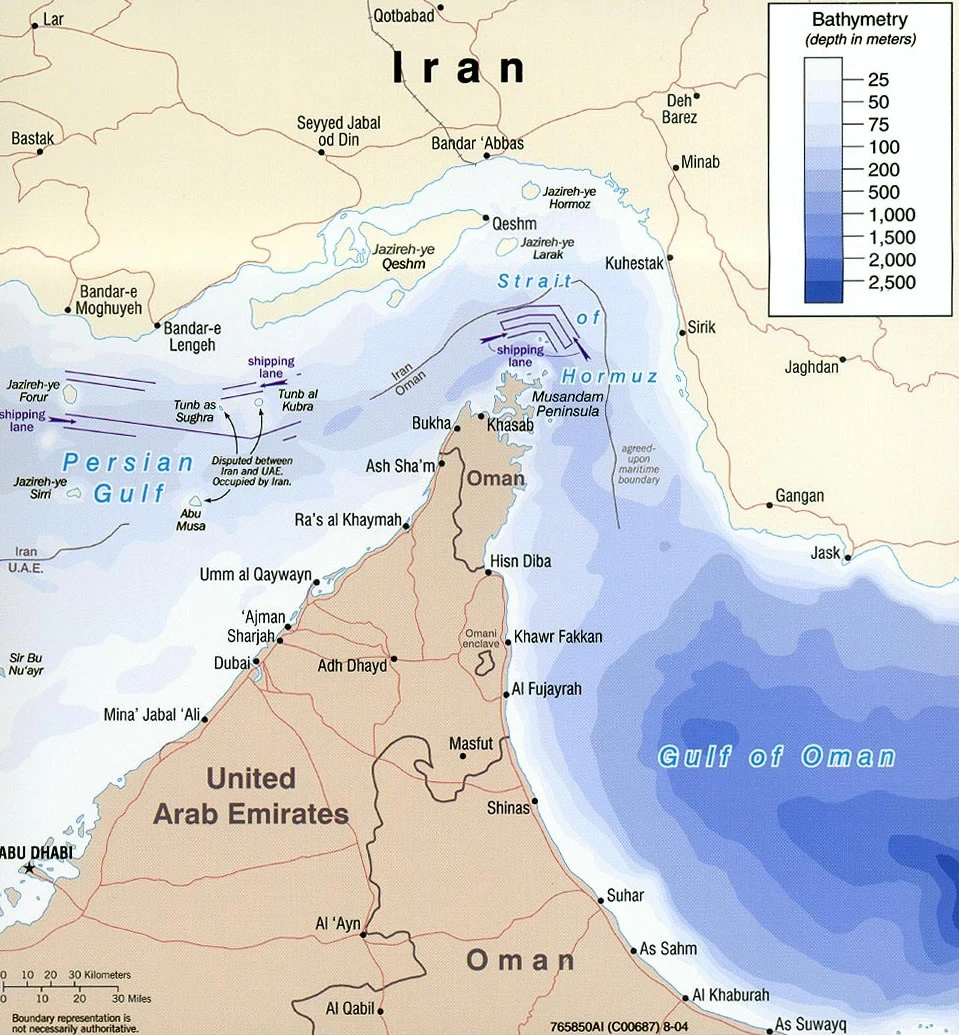
By June 15, shipowners in Asia and Europe were still cautious, and confidence in resuming transit was expected to take weeks to rebuild. Global oil prices fell about 5% on news of a U.S.-Iran framework deal to reopen the waterway, a reminder that in Hormuz, markets often price risk before any fee, permit or toll actually appears.
Sources
- [1]nytimes.com
- [2]un.org
- [3]imo.org
- [4]usnews.com