Sports
Iran wins four visa appeals, 11 officials still barred from US travel
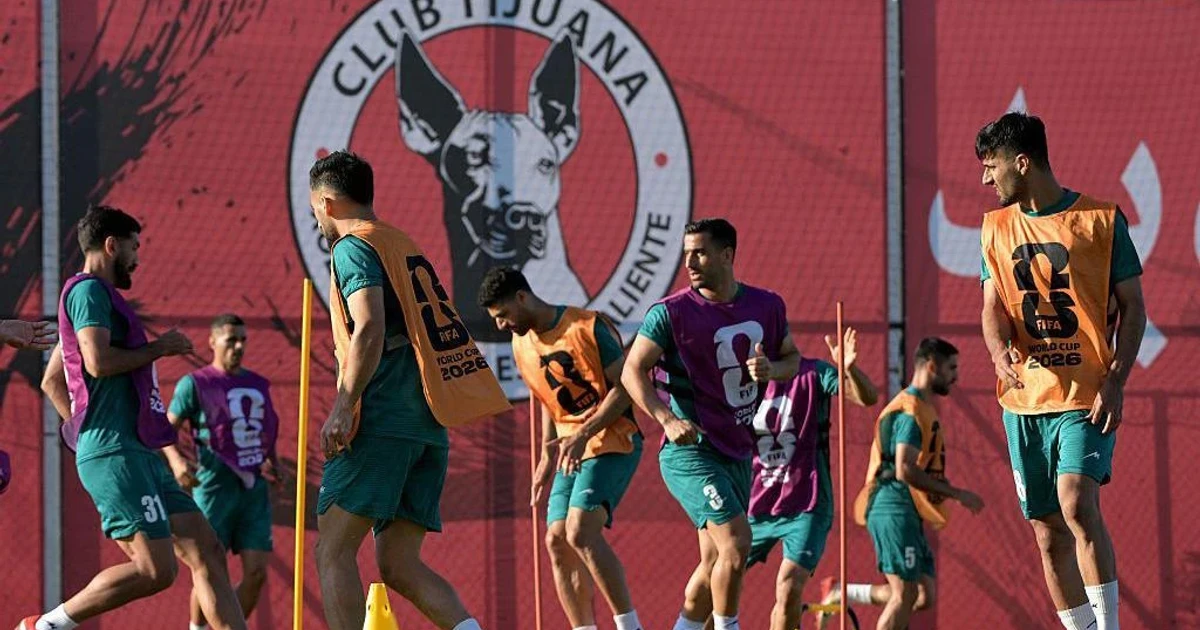
The World Cup has already become a border fight for Iran. Four members of the country’s delegation won appeals after their U.S. visa applications were rejected, but 11 officials still cannot travel, turning a football logistics problem into a direct clash between sport and geopolitics.
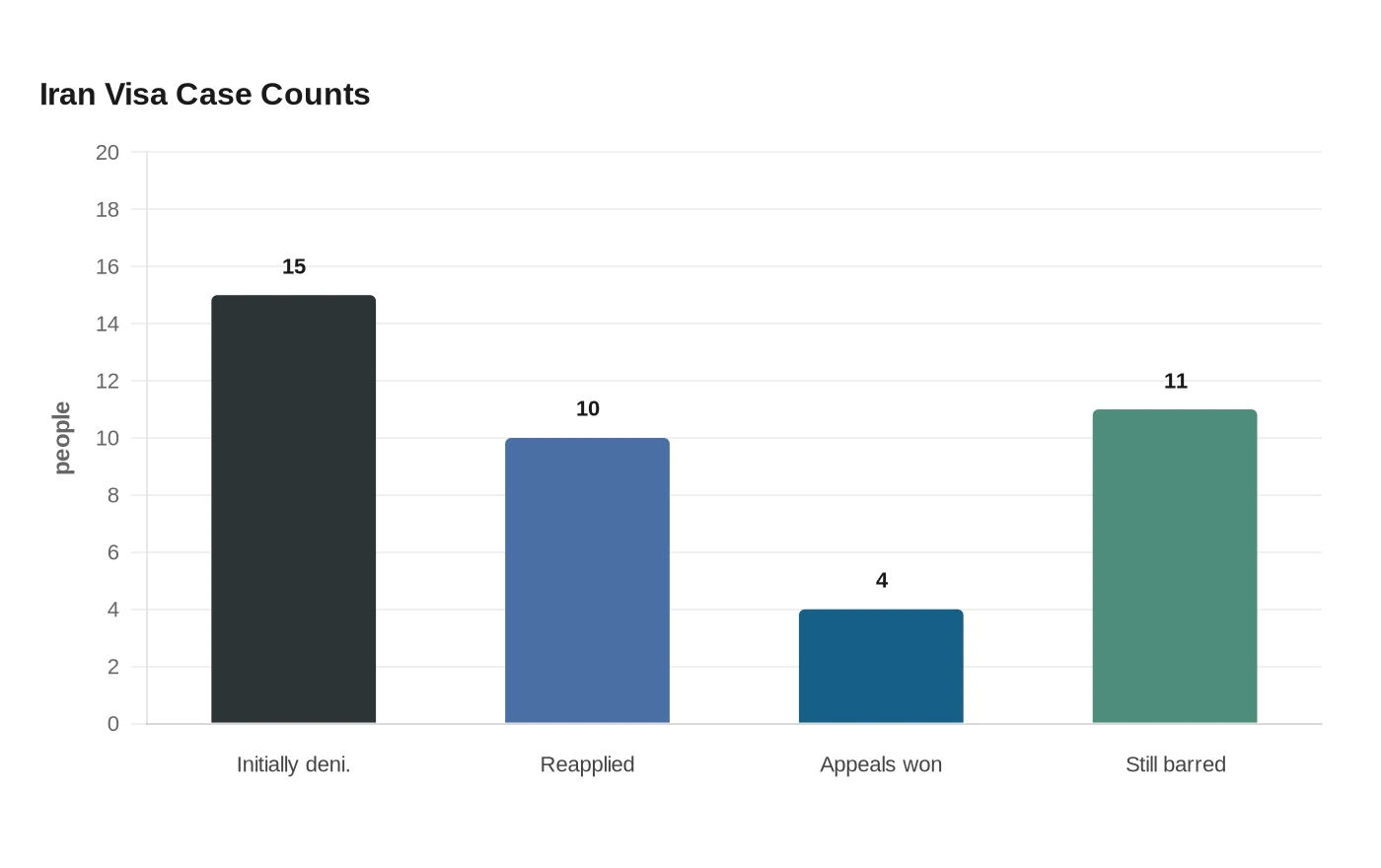
Iran’s football federation said 15 delegation members were initially denied visas. Ten of them reapplied after arriving in Mexico, where Iran shifted its base from Tucson to Tijuana, and four appeals succeeded. The remaining six were rejected again, including federation president Mehdi Taj, one vice-president, two team administrators responsible for day-to-day operations, a media officer and a security officer. A second media officer did not reapply after the first rejection.
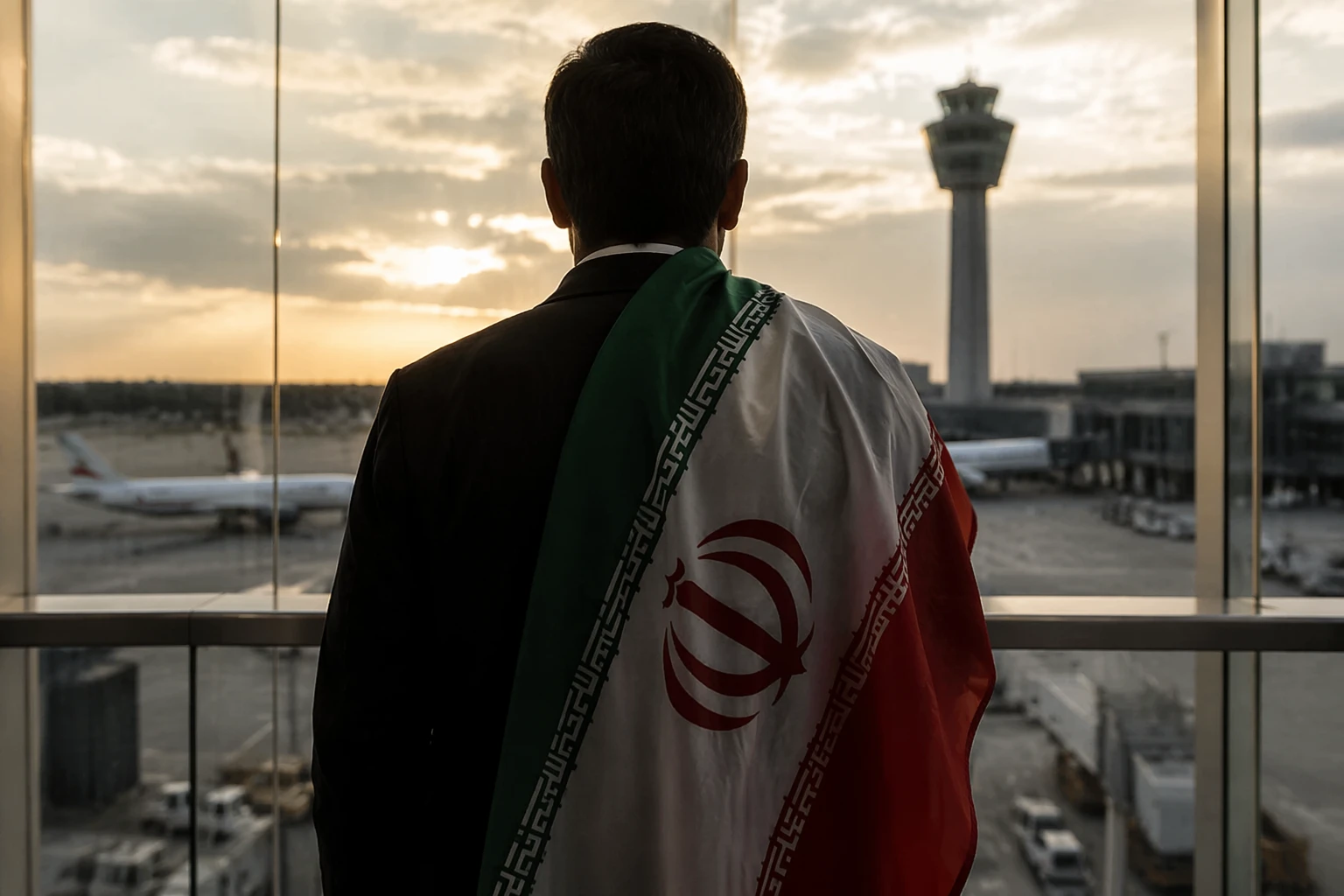
The split result leaves Iran trying to assemble its World Cup operation while still blocked from entering the United States, where all three of its group-stage matches are scheduled. Iran opens against New Zealand in Los Angeles on 15 June, returns to Los Angeles to face Belgium on 21 June, and then meets Egypt in Seattle on 26 June.
Tehran has cast the denials as political punishment. Iranian officials and media described the refusals as “vindictive,” “discriminatory” and politically motivated, and said the federation would pursue the matter through FIFA. The federation had earlier presented FIFA with a list of 10 conditions for participation, including permission for players, coaches and officials who completed military service with the Islamic Revolutionary Guard Corps, or IRGC.
The U.S. position has been narrower. Secretary of State Marco Rubio has said Iran’s players are welcome at the tournament, but people with links to the IRGC could face entry restrictions. That line has placed the team’s support staff, administrators and federation officials under the same scrutiny as the broader diplomatic fight between Washington and Tehran.
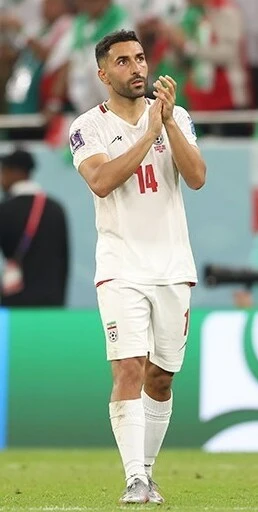
The dispute also follows a separate warning sign in Canada. Iran was not represented at FIFA’s annual congress in Vancouver in April after officials were turned away at the Canadian border, with Canadian officials citing IRGC links among delegation members. FIFA does not cap the size of a national World Cup delegation, though it will pay costs for up to 50 people, a rule that makes the visa fight as much an institutional issue as a sporting one.
Iran’s supporters have also been caught in the same squeeze. Their World Cup group-stage ticket allocation was revoked by U.S. officials earlier this week, even as FIFA said it was working to “maximise opportunities for Iranian supporters to attend matches.” With the tournament now split across Canada, Mexico and the United States, the question is no longer just how Iran plays. It is who is allowed to arrive at all.
Sources
- [1]bbc.com
- [2]sports.yahoo.com
- [3]espn.com
- [4]aljazeera.com
- [5]middleeasteye.net
- [6]koreaherald.com