World
Iranian Americans split over protests at Iran's Los Angeles World Cup match
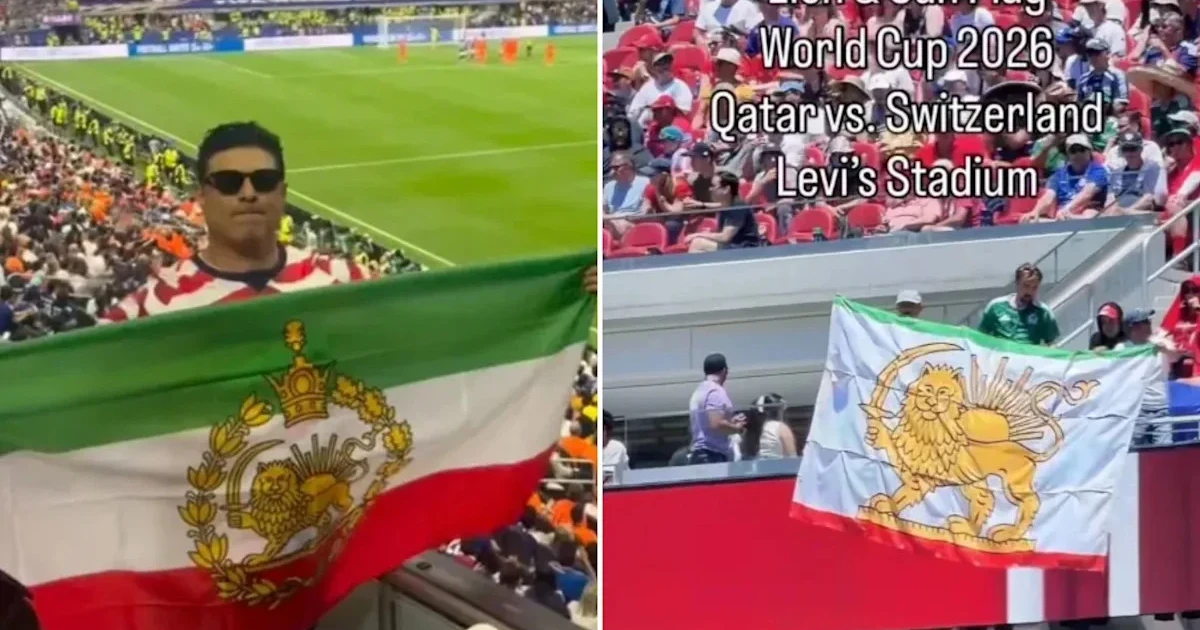
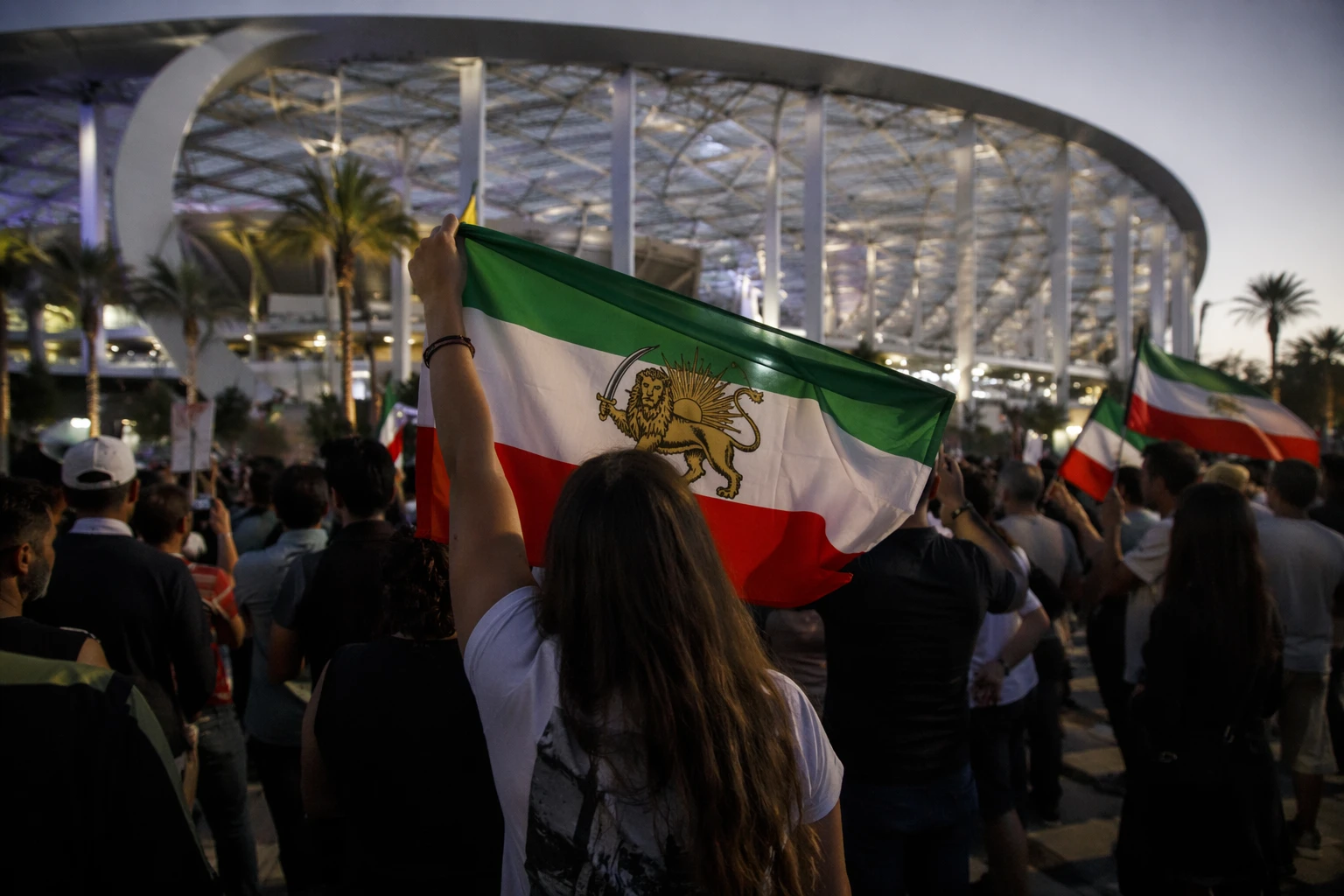
Outside SoFi Stadium in Inglewood, California, Iran’s World Cup opener became a protest scene as much as a soccer match. Around 300 to 500 demonstrators gathered with anti-Iranian-government signs and flags, while some inside the stadium displayed the pre-revolutionary Iranian flag with the lion-and-sun emblem as a symbol of dissent.
The split was especially sharp in Los Angeles, home to the largest Iranian community outside Iran. Iranian Americans there were divided between cheering the Iran men’s national soccer team, condemning Tehran’s crackdown on protesters, and rejecting what they saw as the squad’s role as a propaganda tool for the Islamic Republic. For some, showing up at the match risked signaling support for the regime. For others, backing the team meant separating national identity from government power.
The match itself, a Group G meeting with the New Zealand men’s national soccer team at 6 p.m. local time on June 15, ended 2-2. Iran’s players arrived in Los Angeles that same day after flying in from their training base in Tijuana, Mexico, stepping into a backdrop that made every entrance and every flag a political act.
That tension was visible at the gate. FIFA rules prohibit political flags or political apparel inside stadiums, but people carrying the lion-and-sun flag appeared to pass through security without issue. Iran had threatened to halt matches if unofficial flags were brought in or slogans were chanted, underscoring how tightly the team’s public image is controlled even as its supporters and critics use the same stage for opposing messages.
The debate reaches beyond one game. Several Iranian Americans in Los Angeles fled after the 1979 Islamic Revolution, and for many in the diaspora, the team’s appearance at a global tournament brings back old fractures between homeland, regime, and exile. The result is a familiar World Cup paradox for Iran: the players enter to compete, but they are quickly turned into unwilling political symbols whenever the national team takes the field.
Sources
- [1]nytimes.com
- [2]al-monitor.com
- [3]politico.com
- [4]timesofisrael.com
- [5]apnews.com