World
Iranian Cluster Munitions Injure Civilians in Central Israel
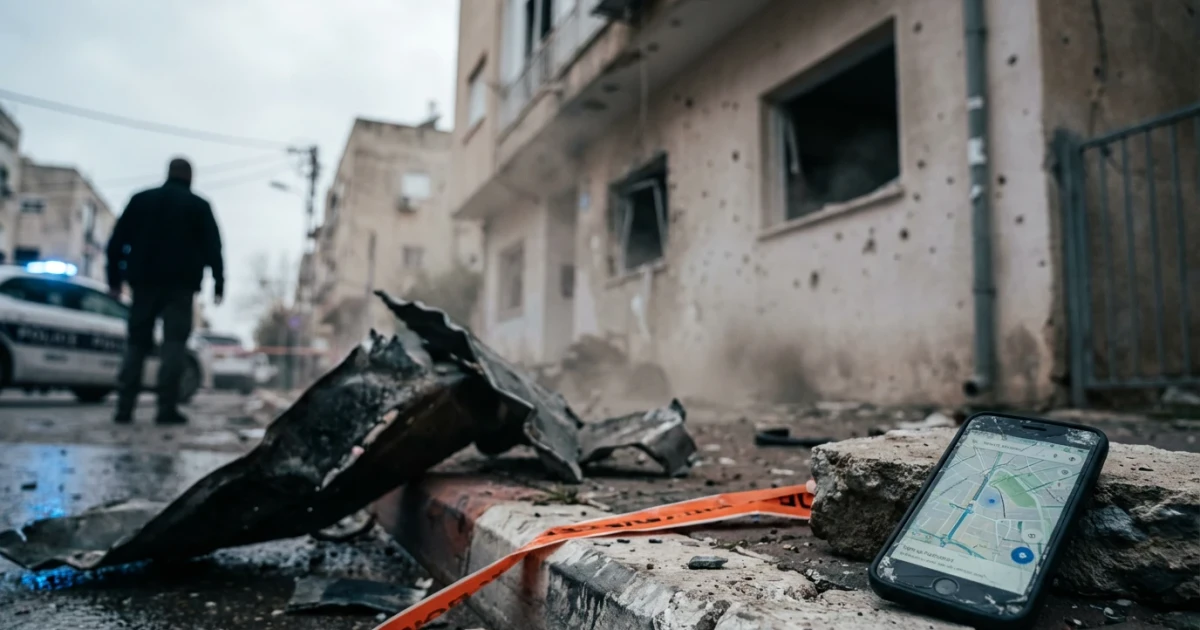
Fifteen civilians were injured, including one in serious condition, after Iranian cluster munitions struck central Israel, according to reports from The Times of Israel. The incident punctuated ongoing tensions in the region and raised fresh concerns about the humanitarian impact of cluster weapons.
Details of the Attack
The Times of Israel reported that the cluster munitions impacted an area in central Israel, causing injuries to fifteen individuals. Of those affected, one person was listed in serious condition, while the remainder suffered moderate or minor injuries. The attack was part of a broader Iranian missile strike campaign, which reportedly overwhelmed Israeli air defenses and resulted in a total of 115 injuries nationwide.
What Are Cluster Munitions?
Cluster munitions are weapons that disperse smaller submunitions or bomblets over a wide area, often resulting in significant risks to civilians both during and after attacks. Unexploded bomblets can remain hazardous long after the initial use, leading to additional casualties and complicating post-conflict recovery efforts.
According to the United Nations Institute for Disarmament Research, the humanitarian impact of cluster munitions is a major concern, with thousands of civilians worldwide injured or killed by these weapons since their introduction. International organizations, including the Cluster Munition Monitor, have tracked ongoing use and casualties in conflict zones globally.
Humanitarian Impact and Response
The use of cluster munitions in populated areas, such as central Israel, increases the risk to civilians. As documented by the Human Rights Watch 2022 overview, these weapons have caused widespread harm in several recent conflicts, with children and non-combatants often among the injured.
- Fifteen people injured in central Israel, including one seriously
- Total of 115 injuries reported nationwide from the missile barrage
- Cluster munitions known to cause ongoing danger due to unexploded ordnance
Official Israeli sources, such as the National Emergency Casualty Report, have tracked the casualty figures, while emergency services continue to respond to the immediate needs of those affected.
International Context and Legal Status
Globally, cluster munitions are subject to increasing scrutiny and regulation. The Convention on Cluster Munitions prohibits their use, production, and transfer, though not all countries are signatories. The continued use of cluster munitions in modern conflicts underscores gaps in international adherence and enforcement.
Repeated use of these weapons in civilian areas has prompted renewed calls from humanitarian organizations for stricter regulation and accountability. Data from the UN Office for the Coordination of Humanitarian Affairs shows that civilian casualties from cluster munitions remain a persistent challenge in conflict zones, including the Middle East.
Looking Ahead
The recent injuries in central Israel highlight the ongoing dangers associated with cluster munitions and the broader humanitarian consequences of their use. As regional tensions persist, the risk to civilians remains high. International observers continue to urge all parties to exercise restraint and adhere to humanitarian law to prevent further casualties.