World
Iranian Drone Strike Hits Kuwait Airport Amid U.S. Tensions
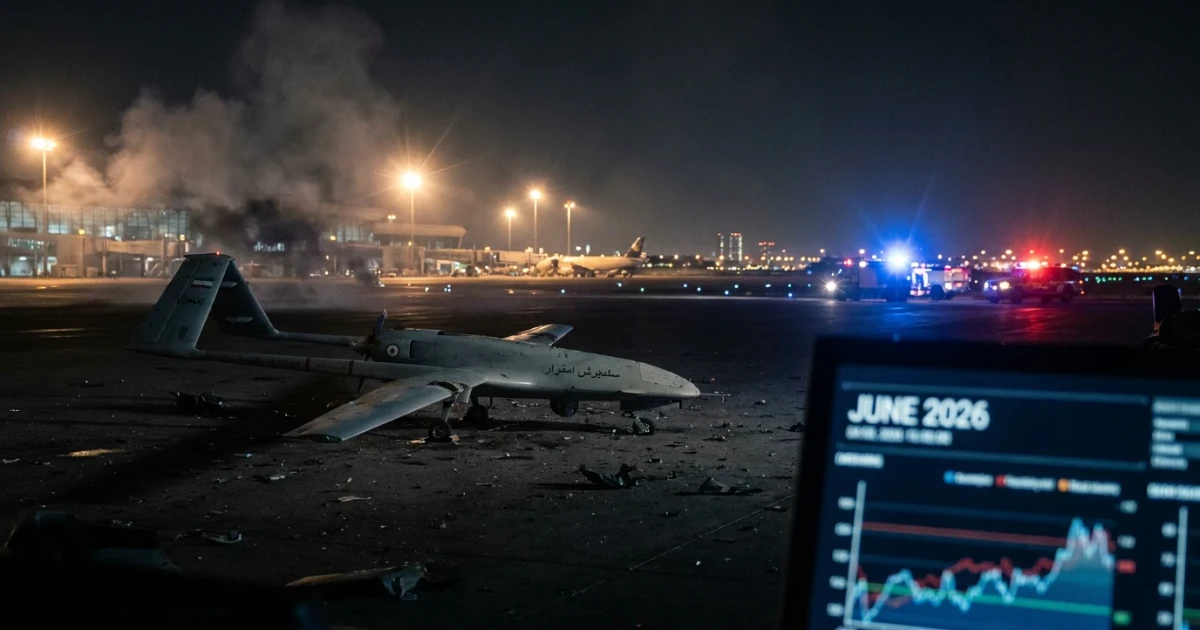
Iran launched a drone strike on Kuwait's main airport, killing one person and escalating tensions in the region following recent U.S. military actions. The incident, reported by CBS News, comes amid ongoing diplomatic discussions and a series of military exchanges between Washington and Tehran.
Escalation After Latest U.S. Strikes
The attack on Kuwait was preceded by recent U.S. strikes targeting Iranian assets in the region. According to CBS News, both sides have ramped up their military operations, with Iran retaliating against perceived U.S. aggression. The Kuwaiti government confirmed that its international airport was struck by Iranian drones, resulting in one fatality and raising concerns about civilian infrastructure safety.
- Iranian drones targeted Kuwait International Airport, killing one civilian.
- The attack occurred shortly after U.S. strikes on Iranian positions.
- Kuwaiti officials condemned the strike and increased security measures at key sites.
- U.S. and Iranian military exchanges have intensified in recent weeks.
Impact on Kuwait and Regional Security
Kuwait, a strategic regional ally with a robust military and infrastructure profile, has faced heightened risks as tensions between Iran and the U.S. spill over. The drone strike has drawn swift condemnation and prompted authorities to bolster security at airports and other critical facilities. Data from the International Civil Aviation Organization (ICAO) highlights the growing threat to aviation security in the region, with recent incidents pointing to the vulnerability of civilian targets during military escalations.
Humanitarian and Political Repercussions
The fatality at Kuwait’s airport underscores the risks faced by civilians amid cross-border military actions. Official reports from the UN Office for the Coordination of Humanitarian Affairs (OCHA) have documented rising casualties and infrastructure damage across the Middle East as a result of ongoing conflict. Kuwait’s response has included emergency humanitarian measures and calls for international assistance to ensure civilian safety.
Diplomatic Efforts and Ongoing Talks
Despite the escalation, diplomatic channels remain active. CBS News noted that former President Donald Trump has confirmed ongoing talks aimed at de-escalating the conflict. While the details of these negotiations remain undisclosed, both U.S. and Iranian officials have publicly stated their willingness to engage in dialogue. The Brookings Institution's analysis suggests that sustained diplomacy is vital to stabilizing the region and preventing further civilian harm.
Military Capabilities and Arms Flows
The use of drones in recent attacks highlights Iran’s evolving military capabilities. According to the SIPRI Arms Transfers Database, Iran has significantly increased its investment in unmanned aerial systems, which are now central to its regional operations. This advancement, paired with ongoing U.S. military deployments, has created a volatile security environment for neighboring states like Kuwait.
Looking Ahead
The Iranian drone strike in Kuwait marks another flashpoint in a broader conflict defined by military escalation and fragile diplomacy. With civilian infrastructure at risk and humanitarian impacts mounting, regional powers and international organizations are calling for restraint and renewed dialogue. The balance between military deterrence and diplomatic engagement will likely shape developments in the coming weeks as all sides seek to avoid further casualties and instability.