World
Iranian Lawmaker Criticizes Pakistan's US Engagement
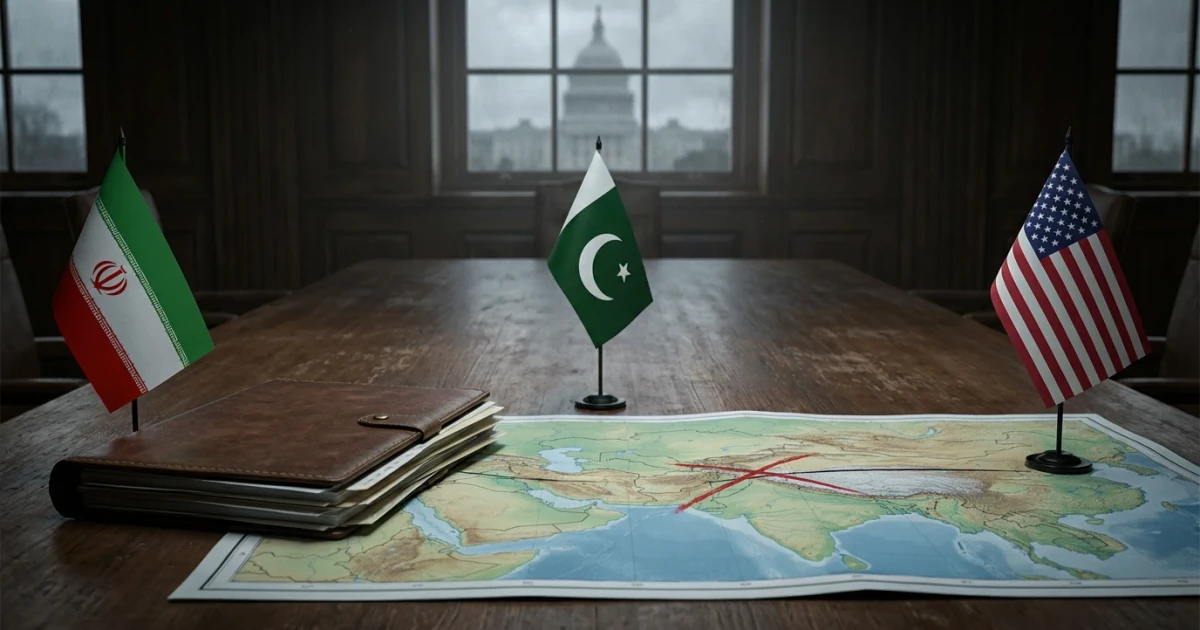
Diplomatic friction is intensifying in South Asia after an Iranian lawmaker publicly criticized Pakistan’s recent talks with the United States, labeling them a “strategic mistake.” The comments, reported by The Economic Times, underscore persistent tensions in the region as both Iran and Pakistan navigate complex relationships with global powers.
Background: Regional Dynamics and Shifting Alliances
Iran and Pakistan share a long, porous border and have historically balanced cooperation with competition. Both countries face significant economic challenges and rely on a mix of regional and international partnerships to address security, trade, and development needs. The United States has long maintained a strategic interest in Pakistan, particularly due to its proximity to Afghanistan and its role in broader regional stability.
Iran, meanwhile, has experienced periods of diplomatic isolation, especially as a consequence of US-led sanctions. As a result, Tehran has often viewed American engagement with its neighbors through a suspicious lens, seeing it as a potential threat to its own regional influence.
The Criticism: Strategic Concerns Voiced
The Economic Times reported that an Iranian lawmaker characterized Pakistan’s decision to engage in talks with the US as a “strategic mistake.” While the report did not specify which lawmaker made the statement or provide further direct quotes, the criticism reflects ongoing anxiety in Tehran over Islamabad’s foreign policy choices.
- Iran traditionally values strong ties with its eastern neighbor and has sought to collaborate on border security and economic projects.
- Pakistan’s outreach to Washington could be seen as a pivot away from regional cooperation, potentially undermining joint initiatives.
- Such moves may complicate Iran’s own diplomatic positioning, given its fraught relationship with the US.
Pakistan’s Balancing Act
Pakistan has frequently sought to balance its relationships with major powers, including the US, China, and Iran. Engagement with the US can bring security cooperation and economic aid, but it risks alienating regional partners. Data from the International Monetary Fund show that Pakistan’s economic stability remains fragile, making international support particularly valuable.
At the same time, public opinion in Pakistan toward the US and China is mixed, with many Pakistanis expressing skepticism about American intentions. Policymakers must therefore tread carefully to avoid domestic and international backlash.
Implications for Regional Relations
Iran’s criticism signals possible strains in Islamabad-Tehran relations. The two countries have cooperated on border security, energy, and trade, but such partnerships could be tested if either side perceives a shift in strategic alignment. The 2023 Country Report on Human Rights Practices: Pakistan from the US State Department notes the importance of Pakistan’s foreign relations in shaping its domestic and regional policies.
- Iran’s concerns may prompt closer scrutiny of Pakistan’s foreign policy by other regional actors, including China and Russia.
- Potential impacts could include delays or disruptions in joint infrastructure and energy projects.
Looking Ahead
As Pakistan continues to engage with global actors, it faces the challenge of balancing international support with regional partnerships. Iran’s sharp response to Islamabad’s US talks demonstrates the delicate nature of these relationships. Observers will be watching to see how both countries manage potential friction, and whether diplomatic channels can be used to address mutual concerns without undermining broader regional stability.