World
Iranians Join Hajj in Saudi Arabia Amid War-Time Tensions
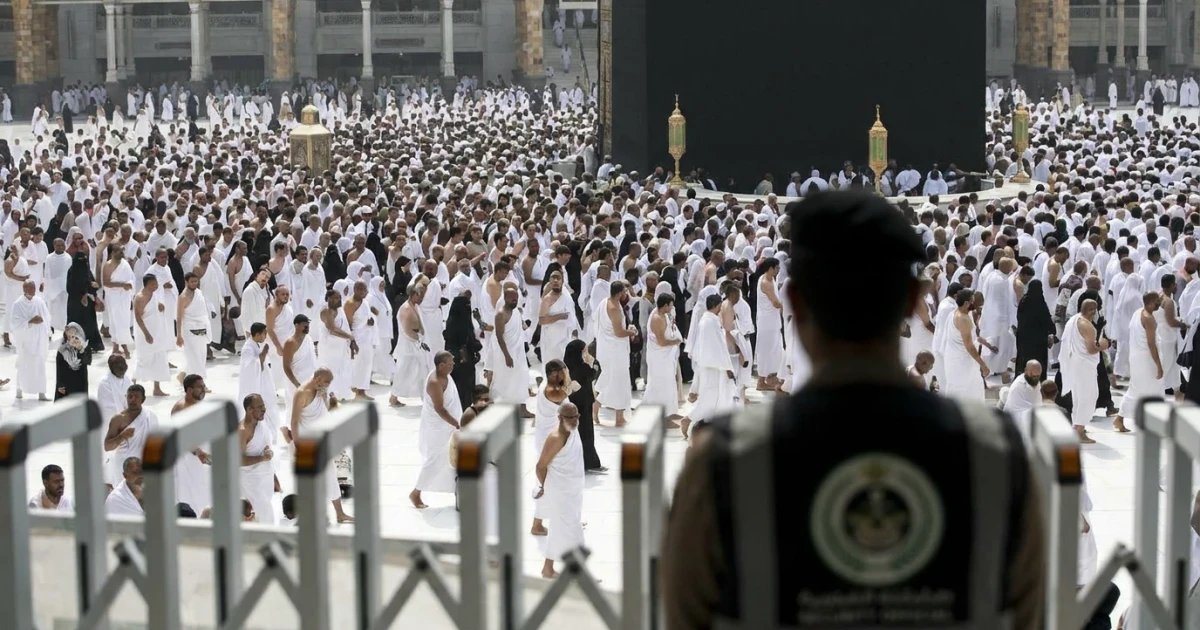
Thousands of Iranian pilgrims are arriving in Saudi Arabia to participate in the annual Hajj pilgrimage, a religious duty that takes on renewed significance this year as the region faces ongoing conflict and diplomatic uncertainty. The presence of Iranians in Mecca highlights both the enduring importance of the Hajj and the complex relationship between Iran and Saudi Arabia, two nations at the center of Middle Eastern geopolitics.
Hajj Participation Continues Despite Diplomatic Strains
According to the Wall Street Journal, thousands of Iranians are making the journey to the holy cities of Mecca and Medina for Hajj, even as tensions between Tehran and Riyadh remain high due to the ongoing war in the region. This year's pilgrimage is marked by a heightened security presence and a watchful atmosphere, as Saudi authorities coordinate closely with Iranian officials to ensure the safety of the pilgrims.
This collaboration was underscored by a recent meeting between Saudi Arabia's Interior Minister and the head of the Iranian Hajj and Pilgrimage Organization, as reported by the Saudi Press Agency. The discussions focused on logistical and security arrangements, demonstrating a shared commitment to facilitating religious rites despite broader political disagreements.
The Significance of Iranian Participation
The Hajj pilgrimage is a pillar of Islam that draws millions of Muslims from around the world to Saudi Arabia each year. Iran, with one of the world's largest Muslim populations, has historically sent significant delegations to the Hajj. Official data from the Iranian Hajj and Pilgrimage Organization shows fluctuating numbers of Iranian pilgrims over recent years, often reflecting the state of diplomatic relations between the two countries.
- According to the General Authority for Statistics in Saudi Arabia, Iranians have historically accounted for a substantial portion of foreign Hajj pilgrims, though their numbers can vary with the political climate.
- In some years, political disputes have led to reduced quotas or even the suspension of Iranian participation, but recent efforts have focused on maintaining religious access regardless of diplomatic disputes.
Security Measures and Pilgrim Safety
This year, the ongoing war in the region has led to increased security protocols for all pilgrims, with particular attention to delegations from countries involved in regional tensions. Saudi officials have assured the international community that comprehensive safety measures are in place, working in coordination with representatives from Iran and other nations.
The Saudi Press Agency noted that meetings between Saudi and Iranian officials aim to address not only logistics and transportation but also to safeguard the well-being of Iranian citizens throughout the pilgrimage. This coordination comes at a time when regional conflict has heightened the risks associated with large international gatherings.
Broader Context: Religious, Political, and Social Implications
The continued participation of Iranians in Hajj during a period of war underscores the pilgrimage's importance as a religious obligation that transcends political boundaries. The U.S. Department of State's report on religious freedom in Saudi Arabia highlights the delicate balance Saudi authorities must maintain between religious inclusivity and national security, particularly as geopolitical rivalries intrude on religious events.
- Tourism and pilgrimage statistics show that Hajj remains a cornerstone of Saudi Arabia's international engagement, bringing together diverse Muslim communities even in the face of regional strife.
- For Iran, continued access to Hajj is a point of national pride and religious duty, with government agencies working to ensure the safety and organization of their citizens’ pilgrimage.
Looking Ahead
As the Hajj season progresses, the experience of thousands of Iranian pilgrims in Saudi Arabia will be closely watched by both governments and the wider Muslim world. Their safe and successful participation could serve as a modest bridge in otherwise tense relations, reaffirming the unifying power of shared religious practices amid regional discord. For now, the pilgrimage stands as a testament to the resilience of faith and the ongoing diplomatic efforts to separate religious duties from the complexities of international conflict.