Business
Iran’s Attack on Israel Sends Stocks Tumbling, Oil Prices Up
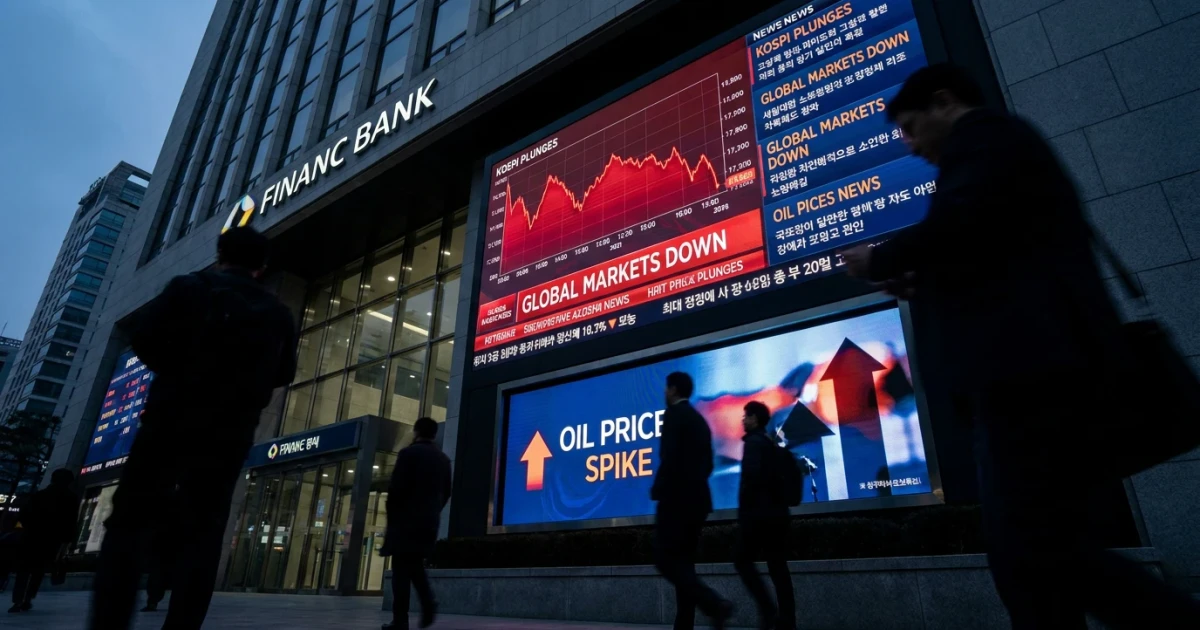
Global financial markets reacted sharply to escalating geopolitical tensions as Iran launched military attacks on Israel, sparking a widespread sell-off in equities and a surge in oil prices. The immediate aftermath saw South Korea’s Kospi index plunge 8%, while U.S. stock futures turned negative during overnight trading.
Markets React to Middle East Tensions
The sharp market moves came after reports confirmed that Iran had carried out an attack on Israeli territory, raising concerns about the stability of the Middle East and potential disruptions to global energy supplies. According to CNBC, the news sent a shockwave through global equities, with Asian markets leading the downturn as trading began in the region.
- Kospi index dropped approximately 8% in early trading, reflecting investor fears about exposure to regional instability.
- U.S. stock futures, including E-mini S&P 500 contracts, declined, signaling a risk-off sentiment among investors ahead of the next Wall Street session.
While other Asian indices also registered losses, the sharp fall in the Kospi underscores South Korea’s exposure to geopolitical shocks and the interconnectedness of global markets.
Oil Prices Surge as Supply Concerns Mount
Amid the uncertainty, oil prices jumped as traders assessed the risk of further supply disruptions from the region. The Middle East remains a key hub for global oil production and transport, and any prolonged conflict could exacerbate existing supply constraints.
- Brent crude and WTI futures both rose in early trading, reflecting growing anxiety among energy traders.
- Market participants cited potential risks to shipping routes and production facilities as the primary drivers of higher prices.
These price movements echo previous episodes where regional tensions triggered spikes in energy costs, highlighting the sensitivity of global oil markets to geopolitical developments.
Investor Outlook and Broader Implications
Analysts warn that the full impact on global markets will depend on the duration and scale of the conflict. Prolonged instability in the Middle East could lead to persistent volatility in equities and commodities, with ripple effects on economic growth and inflation.
Market watchers are monitoring developments closely, as further escalation could prompt central banks and policymakers to reassess their strategies in response to heightened risk and potential disruptions to trade flows.
Key Takeaways
- South Korea’s Kospi index suffered a significant one-day drop, underlining vulnerability to geopolitical shocks.
- U.S. stock futures moved sharply lower, anticipating possible declines in the next trading session.
- Oil prices rose as investors braced for supply risks, with Brent and WTI contracts tracking higher.
For readers seeking detailed market data and historical trends, comprehensive tables and charts are available for Kospi index movements, E-mini S&P 500 futures, and daily Brent oil prices.
As the situation develops, investors and policymakers will continue to track geopolitical signals and their impact on market sentiment, supply chains, and the global economic outlook.