World
Iran’s Foreign Minister Holds Talks with Putin Amid U.S. Diplomacy Stalemate
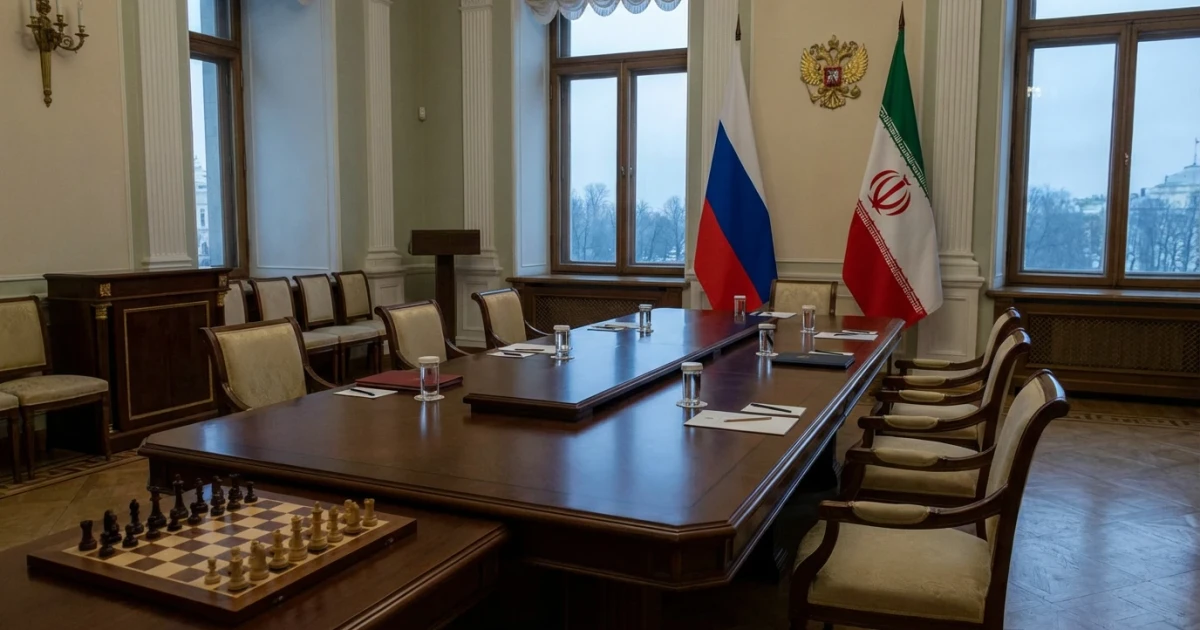
Iran’s diplomatic efforts took center stage this week as its foreign minister met with Russian President Vladimir Putin, underscoring a pivotal shift in Tehran’s international outreach while negotiations with the United States remain stalled. The visit is the latest in a series of high-level meetings that reflect Iran’s strategy to strengthen ties with key global players amid mounting uncertainty over the future of U.S.-Iran dialogue.
Tehran Turns to Moscow as U.S. Talks Stall
According to reporting from The Washington Post, Iran’s foreign minister traveled to Moscow for direct talks with President Vladimir Putin. The meeting comes as discussions between Iran and the United States have faltered, with no clear breakthrough in sight. The diplomatic deadlock is particularly significant given the ongoing tensions surrounding Iran’s nuclear program and broader regional security concerns.
The U.S.-Iran talks, which had previously seen intermittent progress, have recently hit a roadblock. While the details of Iran’s latest proposal remain under review by U.S. officials—including former President Donald Trump, who is reported to be reassessing the package—the lack of forward movement has prompted Tehran to seek alternative channels for international engagement.
Strengthening Ties Between Iran and Russia
Iran’s outreach to Russia is part of a broader strategy to diversify its foreign relations and mitigate the effects of Western pressure. Moscow remains a critical partner for Tehran, especially as both countries face sanctions and diplomatic isolation from Western powers.
- Russia has consistently supported Iran in international forums, including the United Nations.
- Both nations share economic and strategic interests, ranging from energy cooperation to regional security in the Middle East.
- According to the SIPRI Arms Transfers Database, Iran has looked to Russia for military technology and equipment, especially as sanctions limit access to Western markets.
The meeting in Moscow follows a series of Iranian diplomatic initiatives in recent weeks, as Tehran seeks to reinforce its alliances and demonstrate resilience amid ongoing sanctions.
Implications for Regional Diplomacy and Security
The timing of the Iranian foreign minister’s visit is notable. As reported by NPR, Iran’s diplomatic flurry comes at a moment of uncertainty over the future of the nuclear deal and broader U.S.-Iran relations. With the U.S. administration deliberating over Iran’s latest proposal, Tehran’s engagement with Russia sends a clear signal about its willingness to look eastward for political and economic partnerships.
Russia, for its part, has continued to play a balancing role in the region, leveraging its influence in Syria and its longstanding ties with Iran to shape developments in the Middle East. The ongoing collaboration between Moscow and Tehran could have far-reaching consequences for regional security dynamics, particularly as both countries coordinate on military and technological matters. For more on the regional context, readers can consult the U.S. State Department’s Country Reports on Terrorism, which details Iran’s foreign policy and regional activities.
Next Steps for U.S.-Iran Relations
While the U.S. administration reviews Iran’s proposal, the lack of direct progress highlights the complex and often fraught nature of diplomatic negotiations. The shifting landscape has prompted both sides to consider alternative strategies, with Iran doubling down on partnerships outside the Western sphere and the U.S. weighing its options for engagement or renewed pressure.
Ongoing developments—including official reports from the UN Security Council on Iran sanctions and the International Atomic Energy Agency’s monitoring of Iran’s nuclear program—will continue to shape the contours of this high-stakes diplomatic standoff.
Analysis: Navigating a Shifting Diplomatic Landscape
The Iranian foreign minister’s meeting with President Putin is emblematic of Tehran’s evolving approach to foreign policy, as it seeks to secure its interests amidst international uncertainty. While the outcome of U.S.-Iran talks remains unresolved, Iran’s pursuit of deeper ties with Russia signals a determination to remain an active and influential player on the global stage, regardless of Western engagement. Observers will be watching closely as these diplomatic maneuvers unfold, with significant implications for regional stability and the global balance of power.