World
Iran’s hard-liners rise as war kills leaders and sharpens US fight
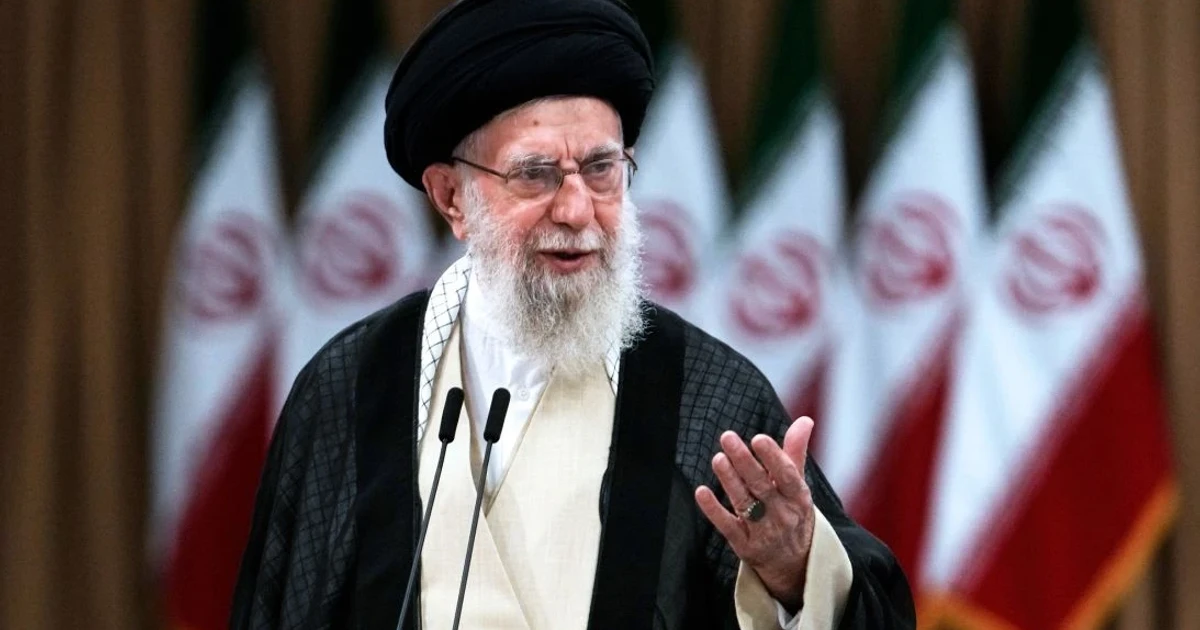
The war opened with the killing of Ayatollah Ali Khamenei in its first hour, a blow that sent Iran’s clerics rushing to choose a successor and gave the Islamic Revolutionary Guard Corps a larger hand in strategy. The U.S. and Israeli strikes on Iran began on Feb. 28, 2026, and the leadership vacuum quickly became a contest over who would define the Islamic Republic’s next phase.
By March 8, the hierarchy was already fracturing under the pressure. Clerics were accelerating the selection of a new supreme leader, with Mojtaba Khamenei emerging as a front runner, while men with deep IRGC ties moved closer to the center of power. Mohammad Bagher Ghalibaf, the speaker of parliament and a former Revolutionary Guard commander, stood out as one of the most visible beneficiaries of that shift.
The political message hardened just as the military pressure deepened. The Paydari Front attacked the U.S.-Iran memorandum of understanding as a threat to the Islamic Republic’s survival, and hard-liners turned their fire on chief negotiators Abbas Araghchi and Mohammad Bagher Ghalibaf with death chants. For conservatives in Tehran, keeping the fight alive against Washington was not only a foreign policy posture. It also functioned as a succession strategy, elevating commanders and ideologues who could argue that compromise would weaken the state just when its senior leadership had been cut down.
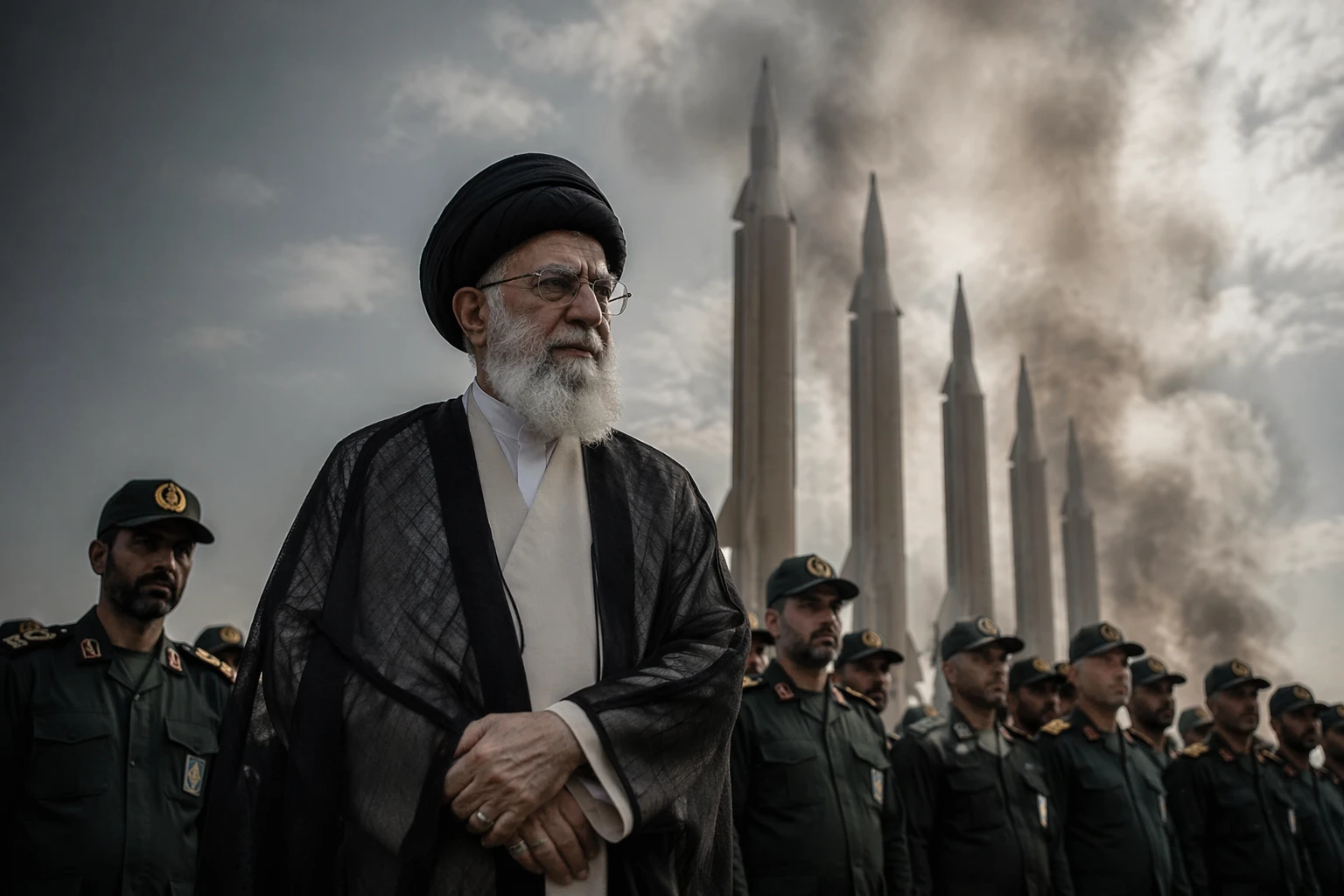
The confrontation spread far beyond Iran’s leadership circle. Tehran answered with missiles and drones against Israel and U.S. military bases in Bahrain, Kuwait, Qatar, the United Arab Emirates and Saudi Arabia, including oil and gas facilities. The same security networks that fought in the 1980-1988 Iran-Iraq War and later helped suppress internal dissent were back at the center of wartime decision-making. By June 14, Iran had rapidly replaced killed leaders and kept fighting despite the losses, even as Washington and Tehran agreed to halt the conflict. By then, the hard-line camp had already turned a national emergency into leverage inside the state.
Sources
- [1]nytimes.com
- [2]al-monitor.com
- [3]timesofisrael.com
- [4]nbcnews.com
- [5]iranintl.com
- [6]justsecurity.org