World
Iran's IRGC builds covert Iraq cells for Gulf drone attacks
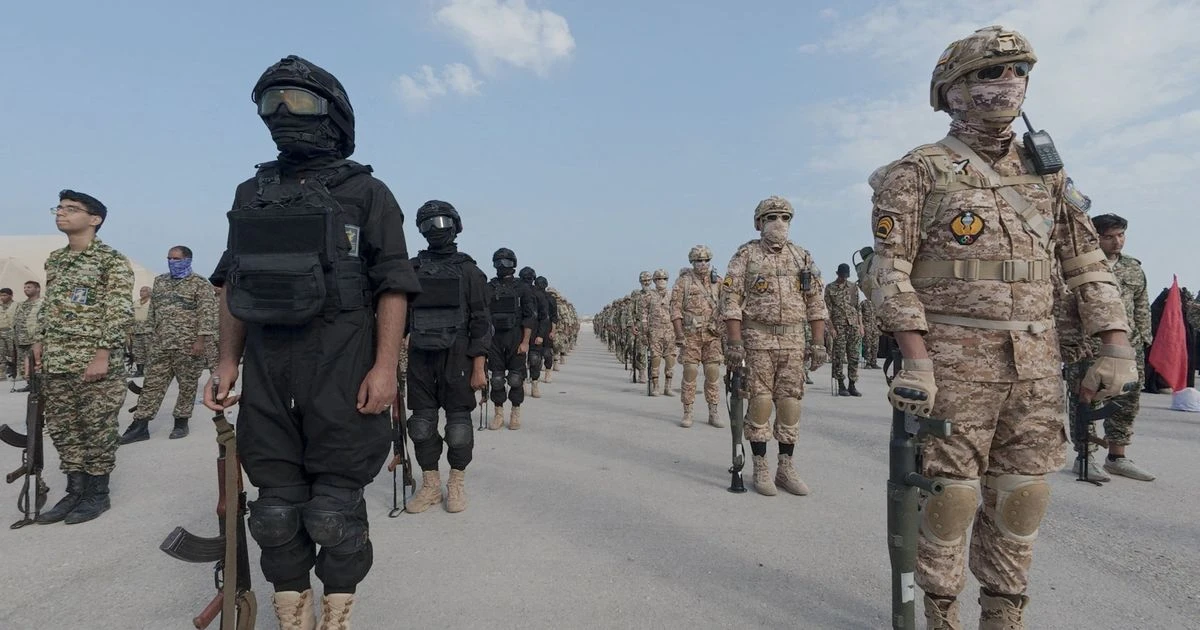
Iran’s Islamic Revolutionary Guard Corps has quietly built new covert cells in Iraq to launch drone attacks on Gulf states that host American forces, according to eight Iraqi sources. The alleged network is small, disciplined and harder to trace than Iraq’s better-known militia structures, a shift that could widen the conflict beyond Iran and keep Gulf capitals on edge even when regional tensions seem to ease.
The sources described three or four cells, each made up of about 10 elite Iraqi Shiite fighters, operating from desert areas near Basra and Samawa. Between April 20 and May 17, at least seven drone attacks were launched from those areas against sites in Kuwait, Saudi Arabia and the United Arab Emirates, the sources said. The key distinction, they said, is that the cells report directly to the IRGC rather than through the Islamic Resistance in Iraq umbrella, which has long served as the public face of Iran-aligned armed activity in Iraq.
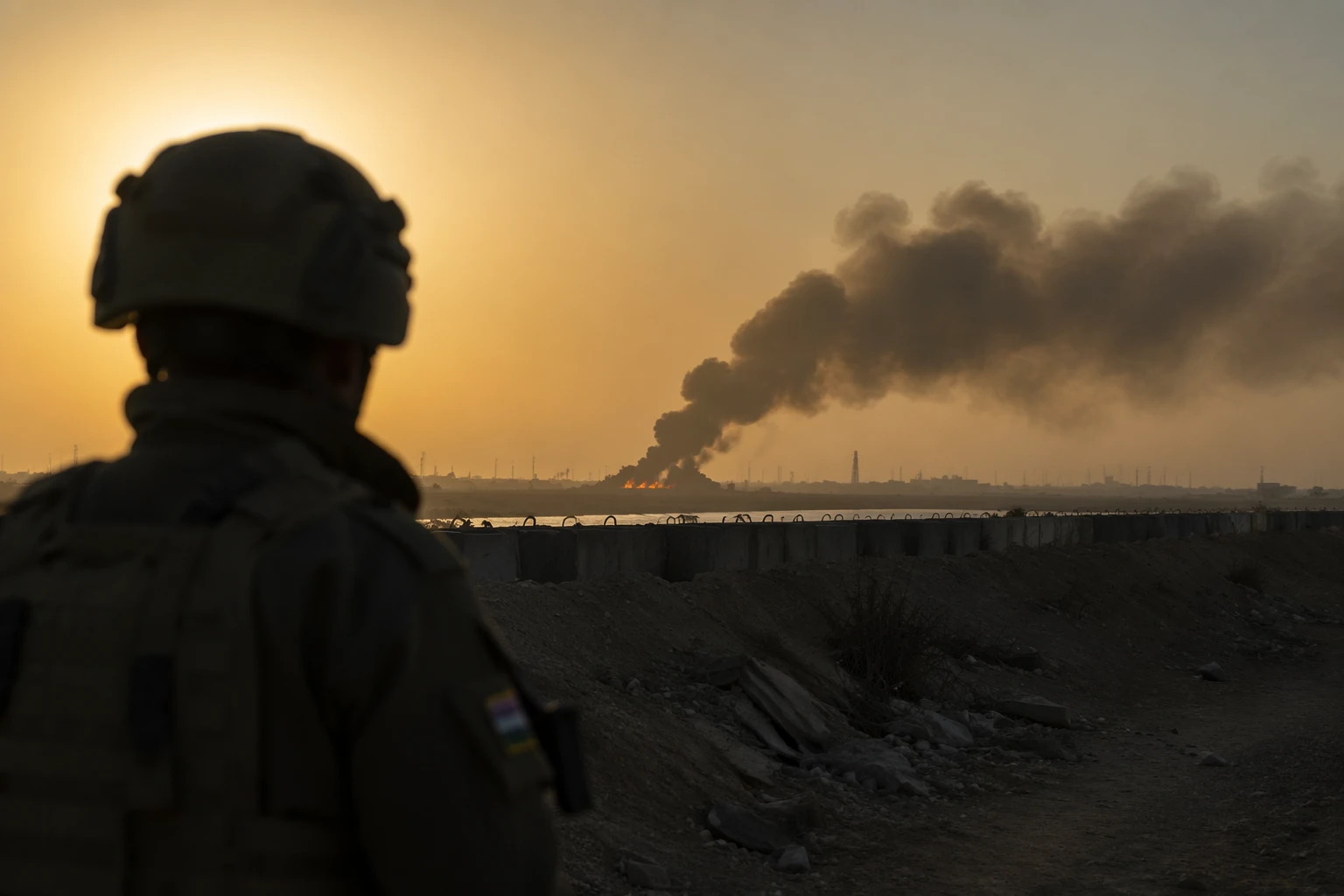
That structure matters. A direct line to Tehran’s Revolutionary Guard would give Iran more control and more deniability, while lowering the chance that a strike can be tied quickly to a familiar militia brand. It also suggests the IRGC is adapting after pressure on its proxy network and after years of losses, sanctions and military strain. For Gulf security planners, the implication is stark: the threat may be coming not from a single large force but from a set of compact cells built to be harder to detect and easier to activate.
The Gulf states have already described a pattern that fits that warning. Saudi Arabia’s Ministry of Defense said three drones entered Saudi airspace from the direction of Iraq in May. The United Arab Emirates said six drones were launched from Iraq in the previous 48 hours, and one caused a fire at the Barakah Nuclear Power Plant. Kuwait’s Ministry of Foreign Affairs condemned a drone attack launched from Iraqi airspace against Saudi Arabia, saying it violated international law and relevant U.N. Security Council resolutions. Iraqi authorities were also said to be examining whether the May 17 attack was the one linked to the Barakah fire.
The broader backdrop is a larger armed ecosystem in Iraq. Reuters-linked reporting has described the Islamic Resistance in Iraq as an umbrella of about 10 hardline Shiite factions with roughly 50,000 fighters and significant missile and air-defense capabilities. Against that scale, the alleged new cells would represent a more covert layer inside an already volatile landscape. Washington has already moved against seven commanders of Iran-aligned militia groups in Iraq, and Prime Minister Ali al-Zaidi has pledged stronger state control over weapons. If these allegations hold, the next phase of the standoff may be defined less by open confrontation than by deniable drone warfare, with American forces and Gulf oil markets left to absorb the nerves.
Sources
- [1]usnews.com
- [2]arabnews.com
- [3]spa.gov.sa
- [4]fdd.org
- [5]state.gov
- [6]longwarjournal.org