World
Iran’s new rulers push for deal after war and Khamenei’s death
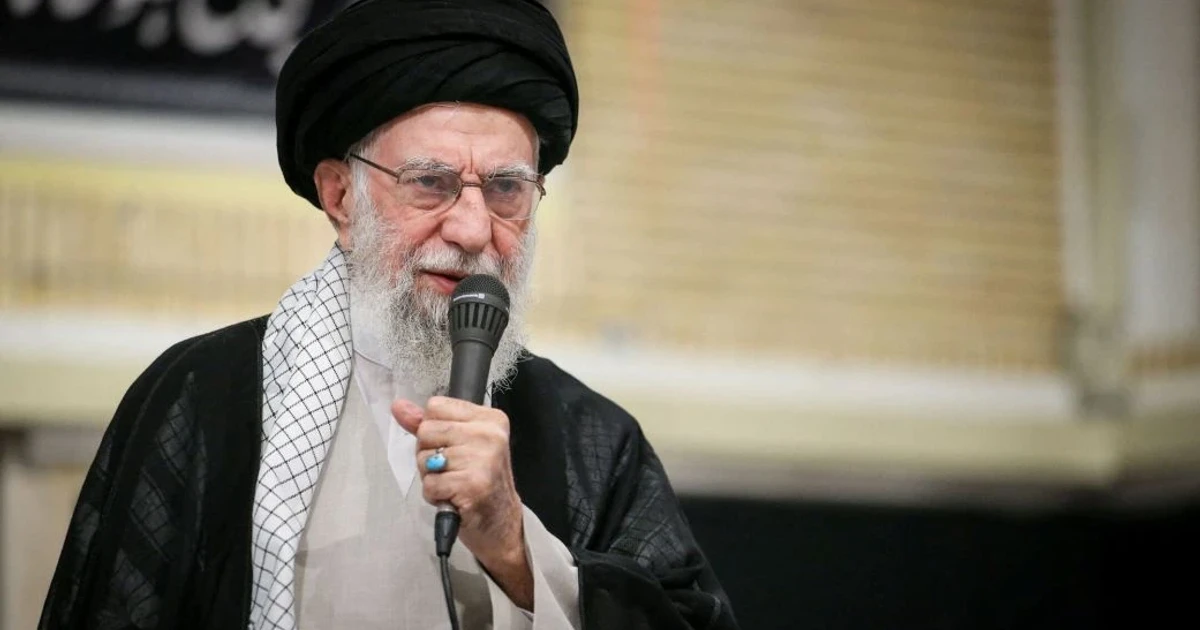
Iran’s wartime succession did not produce a collapse. It produced a harder, more securitized state, with the Islamic Revolutionary Guard Corps and other security figures tightening their grip after Ali Khamenei was killed in the February 28 U.S.-Israeli strikes, even as negotiators moved close to a deal to end the three-month war.
That is the central test now facing Washington: whether it is dealing with a weakened adversary or with a leadership that believes it has already absorbed the worst pressure the United States and Israel can impose. Analysts have compared the conflict to the Iran-Iraq War of 1980-1988, the last time Iran faced such intense external bombardment, and they say the country’s political economy was built to withstand shocks and internal strain. The result, in their view, is not a frightened regime but one that is acting with more confidence and taking risks earlier leaders avoided.
The emerging framework under discussion reportedly includes an Iranian pledge not to develop or procure nuclear weapons, a reopening of the Strait of Hormuz to normal oil traffic, the lifting of U.S. sanctions, and a second phase of more detailed talks. Other accounts say the deal could also address Lebanon and move toward an end to the war on all fronts. The Strait of Hormuz remains central because it is one of the world’s most important oil transit chokepoints, making the negotiations consequential far beyond Tehran and Washington.
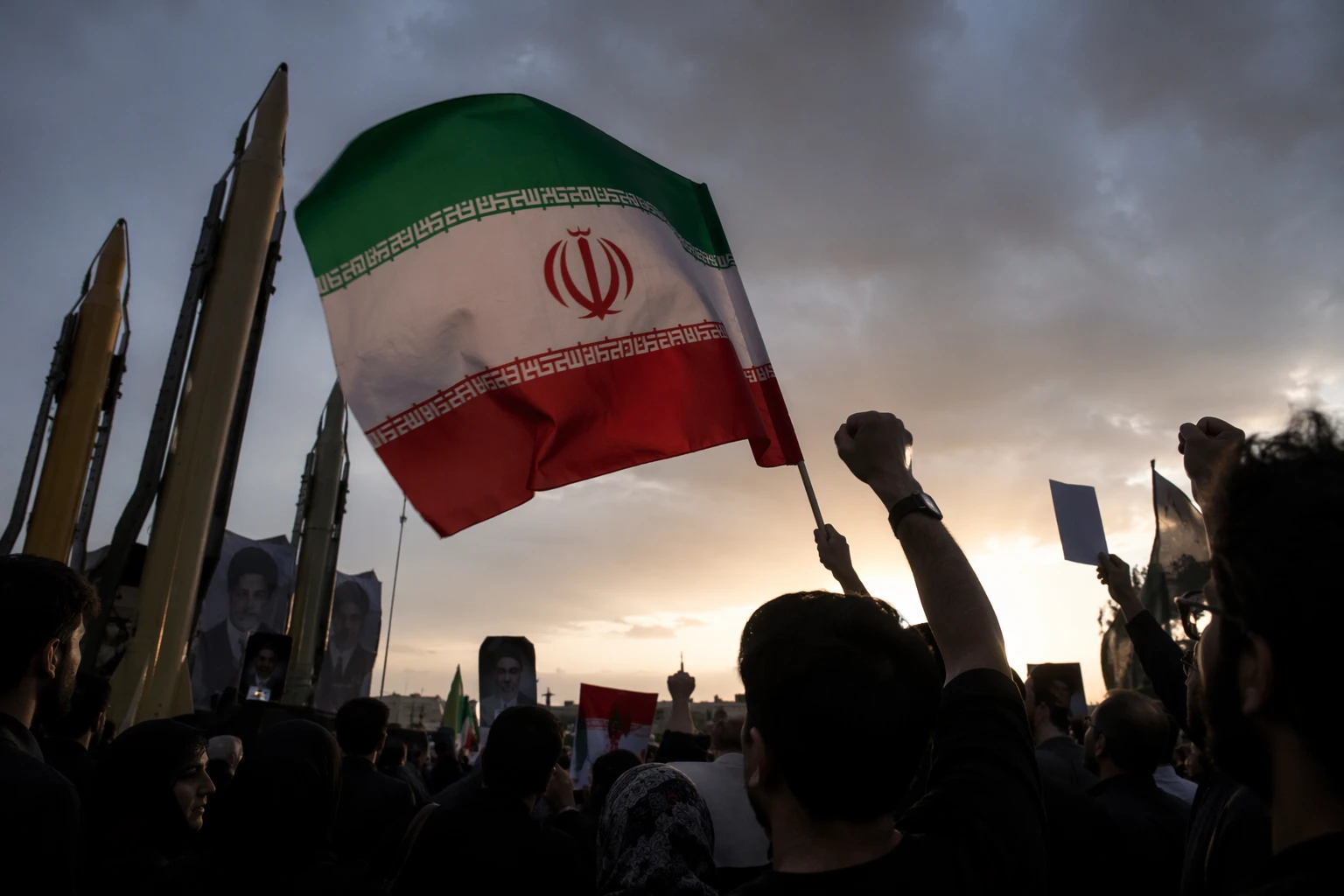
The diplomacy has been volatile. Iran suspended negotiations with the United States on June 1, 2026, and Iranian officials have said talks will not resume until Israel fully withdraws from occupied areas in Lebanon and stops attacks in Lebanon and Gaza. Yet by June 12 and 13, U.S. officials were describing the negotiations as very close to the finish line, while Donald Trump complained that the terms on the table did not match what had been agreed. Pakistan’s prime minister, Shehbaz Sharif, said the final text was ready, and Iran’s foreign minister, Abbas Araghchi, said the memorandum was closer than ever while warning against speculation.
Inside Iran, the succession after Khamenei’s death has been described as opaque and heavily shaped by the IRGC, with the Assembly of Experts pulled into an uncertain transition. Some reports have pointed to an interim council and an internal power struggle, and some accounts say the IRGC-backed choice was Mojtaba Khamenei, though that has not been publicly confirmed. What is clear is that the war did not break the Islamic Republic. It appears to have concentrated power in the hands of the very security institutions most willing to gamble that coercion has already reached its limit.
Sources
- [1]nytimes.com
- [2]usnews.com
- [3]cfr.org
- [4]aljazeera.com
- [5]timesofisrael.com
- [6]foreignaffairs.com
- [7]brookings.edu
- [8]mei.edu