World
Iran's Pezeshkian lands in Pakistan after US-Iran ceasefire deal
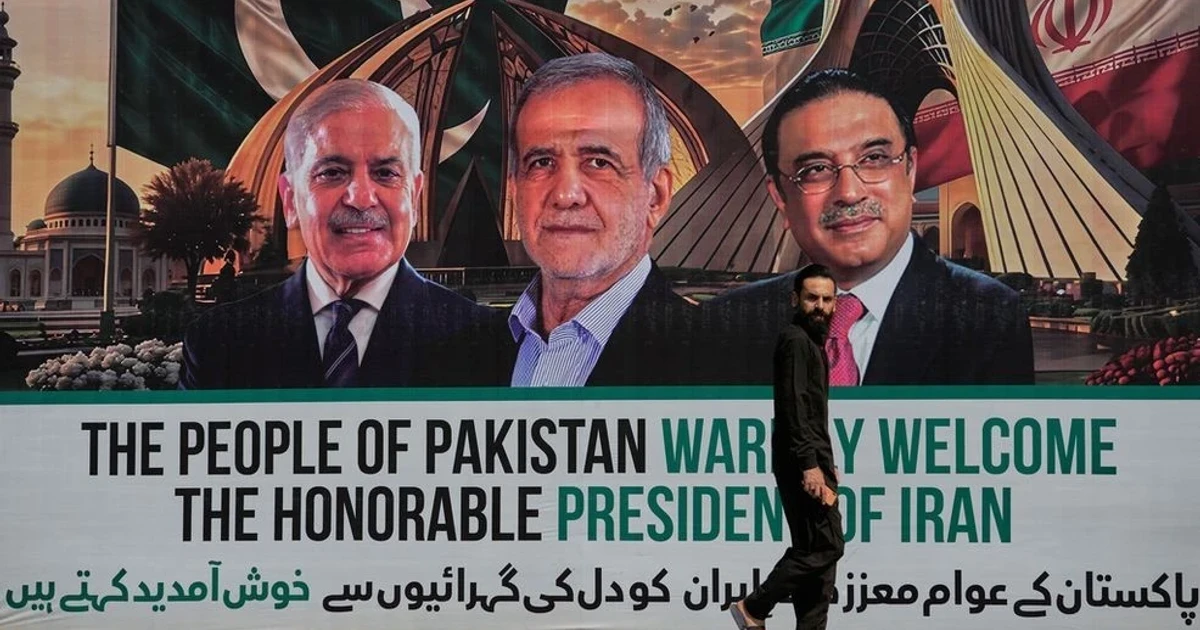
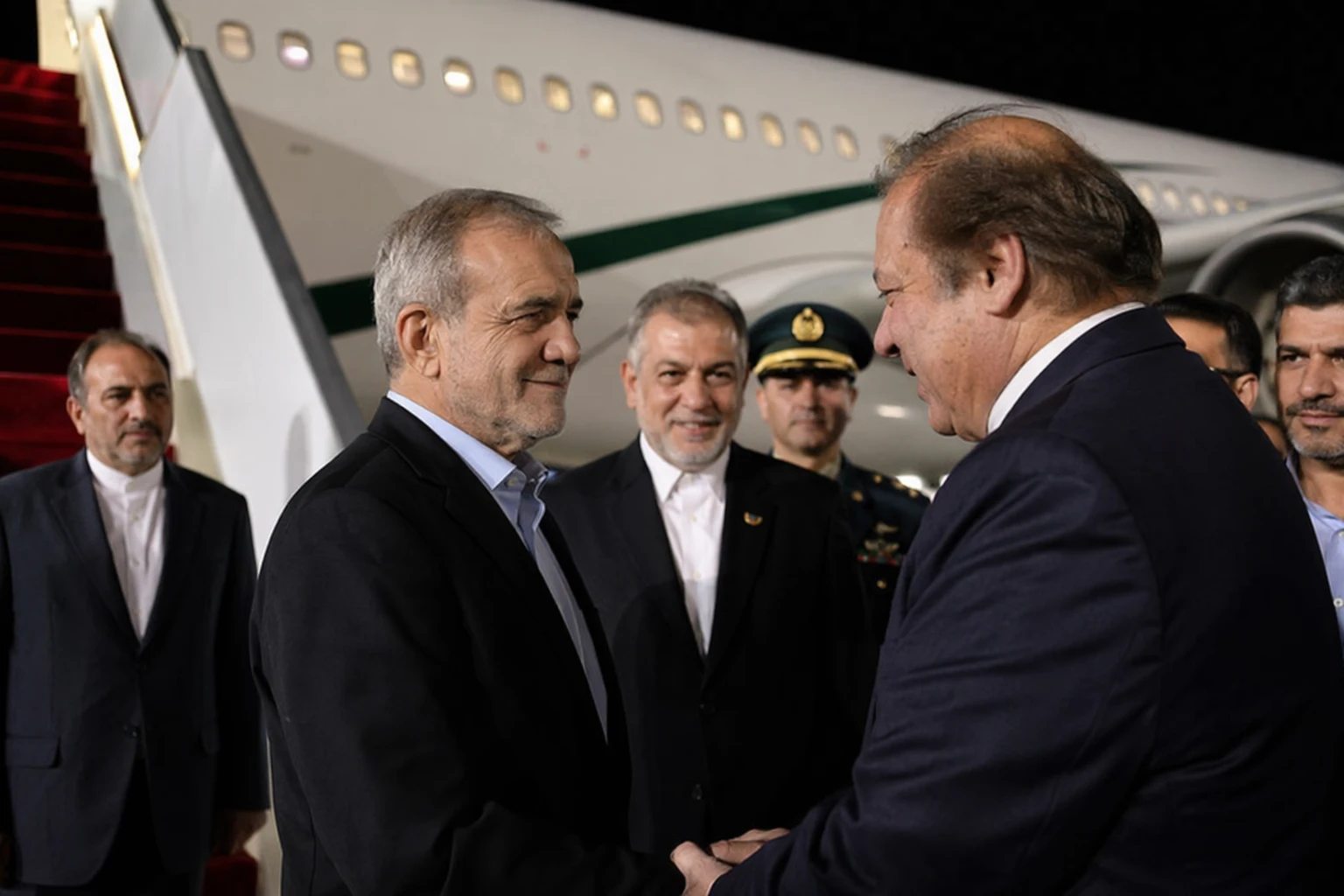
Masoud Pezeshkian arrived in Islamabad with a message that went far beyond protocol: Pakistan had become the bridge for a fragile US-Iran reset, and Tehran was choosing Islamabad for its first overseas stop since the war with the United States and Israel began. The visit followed talks in Burgenstock, Switzerland, where Pakistani mediation helped produce a memorandum of understanding that extends the ceasefire for 60 days and keeps the door open to a wider diplomatic bargain.
Pezeshkian was set to meet Prime Minister Shehbaz Sharif, President Asif Ali Zardari, Senate Chairman Yousaf Raza Gilani, National Assembly Speaker Sardar Ayaz Sadiq and Deputy Prime Minister and Foreign Minister Ishaq Dar. The agenda centered on trade, energy, border security and regional connectivity, a mix that shows how both sides want to turn ceasefire diplomacy into practical leverage. Pakistan has described the arrangement as the Islamabad MOU, and the document, electronically signed by Donald Trump and Pezeshkian, also includes Iran’s reaffirmation that it will not develop a nuclear weapon while opening negotiations on Iran’s nuclear programme, sanctions relief and frozen assets.
The timing matters. Al Jazeera said the war began on February 28, 2026, and that a temporary ceasefire paused the most intense fighting on April 8, 2026. By landing in Pakistan first, Pezeshkian signaled that Tehran wants more than a halt to the shooting. It wants a diplomatic channel that can outlast the fighting, preserve its nuclear position, and ease the economic pressure that has narrowed its options. The Strait of Hormuz also sits in the background of the memorandum, underscoring how closely Gulf shipping, US bargaining and South Asian security remain connected.
The visit also revived a trade track that Pakistan and Iran had already begun to widen. During Pezeshkian’s August 2025 trip, the two countries signed 12 agreements and set a target of lifting bilateral trade from roughly $3 billion to $10 billion. Analysts say the informal cross-border economy is likely larger than the formal target, and talks have focused on bringing oil, gas and related commerce into the open. Pakistan’s opening of six designated road trade routes into Iran through Balochistan, linking Karachi, Port Qasim and Gwadar with Gabd and Taftan, gives that ambition a physical base. The Gwadar-Gabd corridor can cut travel time to the Iranian border to two to three hours from 16 to 18 hours out of Karachi, and officials say transport costs could fall by 45 to 55 percent. In a region where US, Israeli, Gulf and Chinese interests all overlap, Pezeshkian’s landing in Pakistan looked less like a ceremonial stop than the first move in a broader regional-power reset.
Sources
- [1]news.google.com
- [2]aljazeera.com
- [3]tribune.com.pk