World
Iran's revolutionary generation still drives a legacy of confrontation
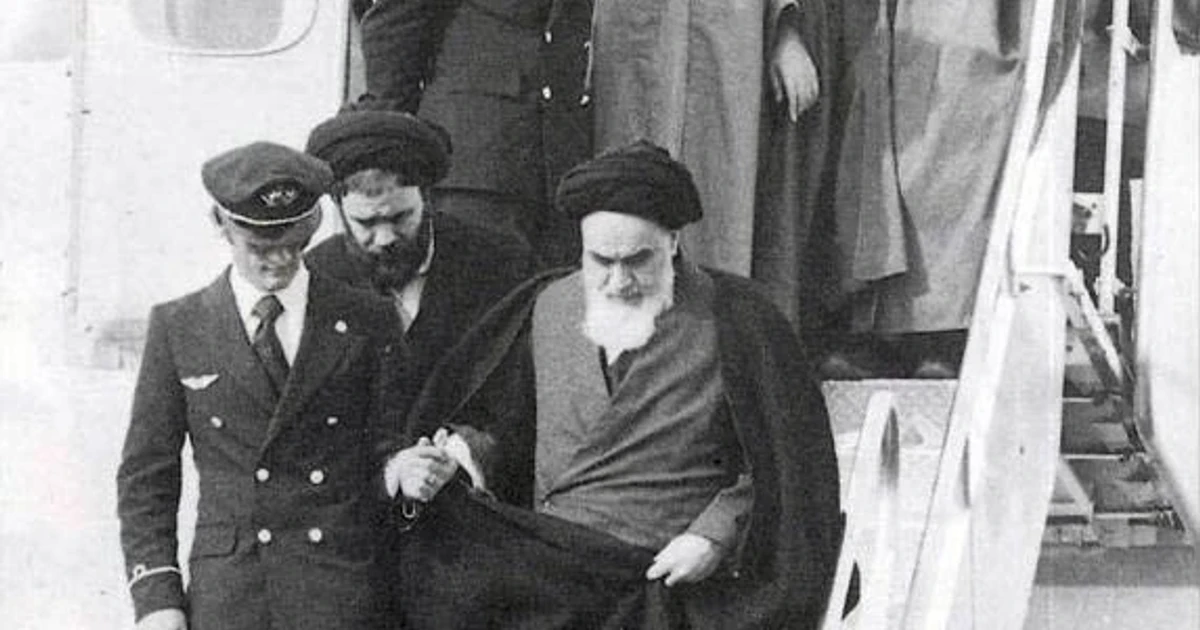
The people who built the Islamic Republic learned politics in fire, not seminar rooms. The revolution of January and February 1979 ended the rule of Shah Mohammad Reza Pahlavi and brought Ayatollah Ruhollah Khomeini back to Iran in February, setting a governing style that still prizes survival, resolve and retaliation over reassurance.
1979 made confrontation the founding memory
In a January 24, 2019 Brookings commentary, Suzanne Maloney argued that 1979 transformed Iran and America in ways that still shape politics decades later. Brookings has also framed that year as a turning point for Iran, the United States and global oil markets, because the upheaval did not stay inside Iran’s borders. The new Islamic Republic emerged from a collapse of the old order, but it also inherited a political identity built on rupture.
That origin story matters because revolutionary regimes tend to read the world through the trauma of their birth. Khomeini became the central figure of the new state after his return, and the generation that gathered around him came to power with a memory of overthrow, siege and resistance. For outsiders looking at Iran now, the key mistake is to treat that history as decoration rather than as operating code.
The hostage crisis turned humiliation into doctrine
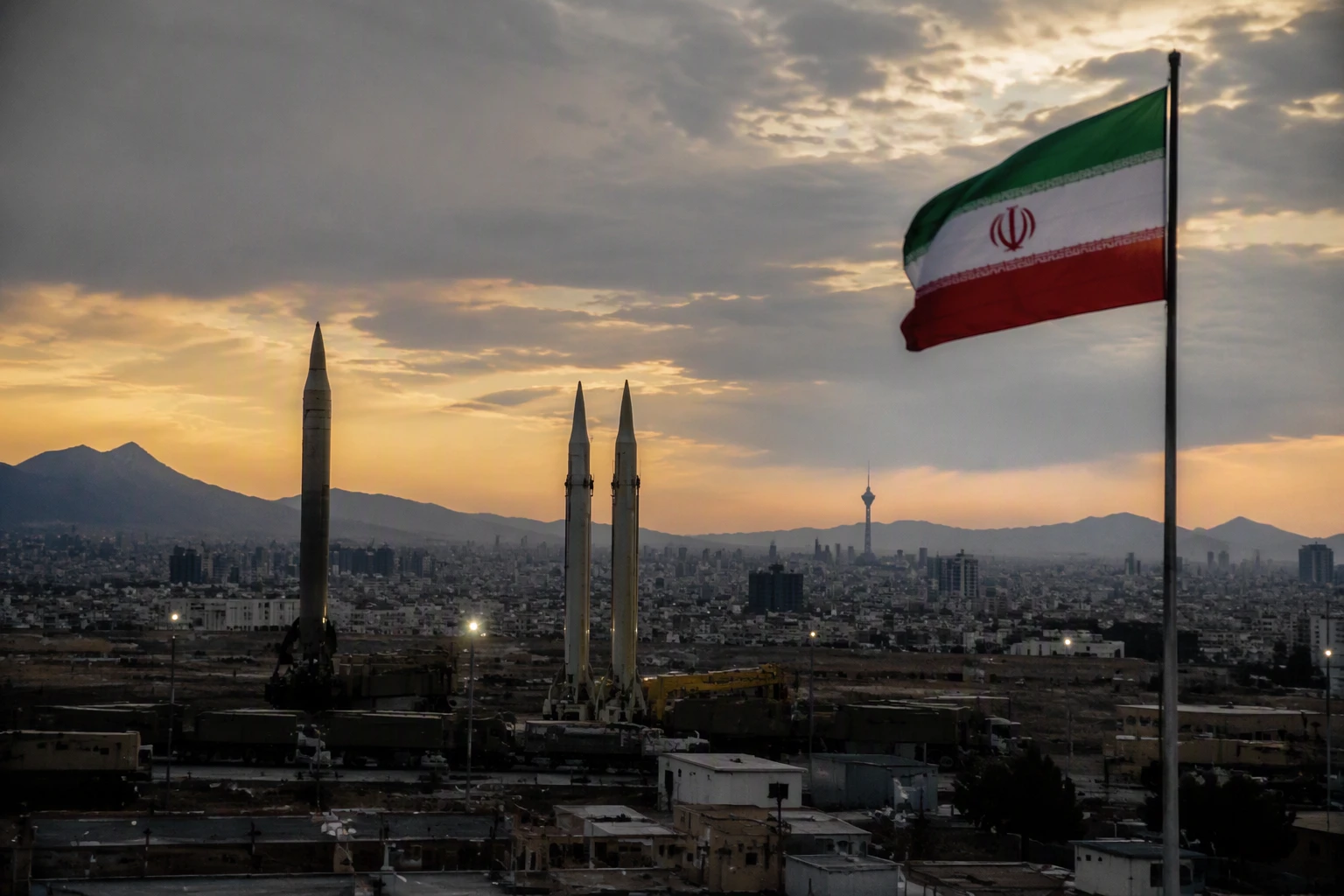
The break with Washington hardened almost immediately. On November 4, 1979, militants seized the U.S. Embassy in Tehran and held 52 Americans for 444 days, a crisis that defined the early years of the republic and fixed anti-American hostility in the public record. It also taught both sides that symbolic humiliation could become strategic leverage, a lesson that still echoes in Iranian statecraft.
That memory matters because humiliation is not a small insult in the revolutionary imagination. It is a political force that leaders around Khomeini’s generation learned to convert into legitimacy, mobilization and discipline. When outsiders assume that pressure will automatically produce conciliation, they miss how often the opposite has been true in Iran’s revolutionary history.
Force did not stop at Iran’s borders
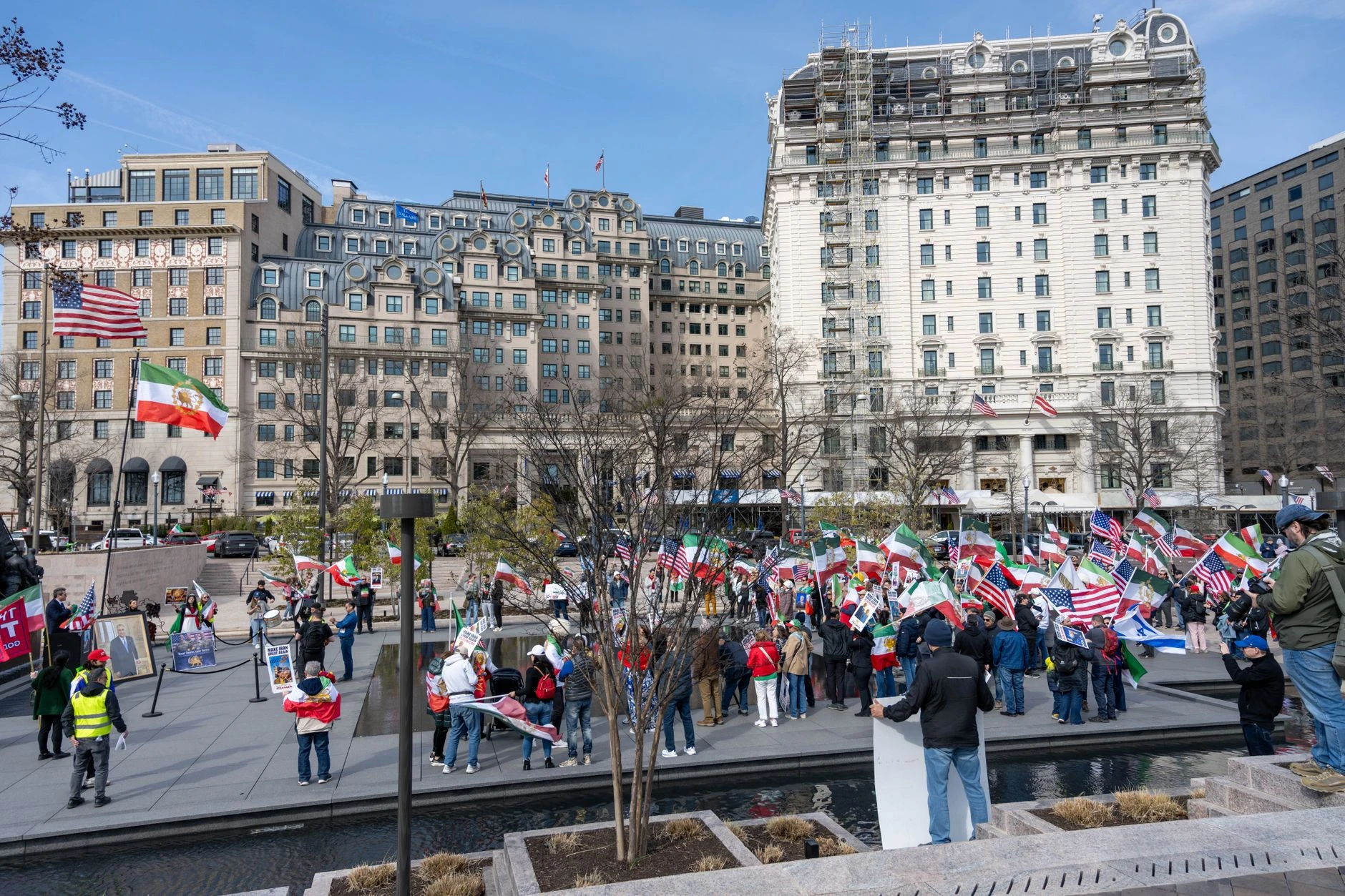
The same antagonism has shown up far beyond Tehran. The Iran Human Rights Documentation Center says that since 1979, senior leadership of the Islamic Republic has been linked to at least 162 extrajudicial killings of political opponents in 19 countries around the world. That record includes a pattern of state-linked violence that treats dissidents and enemies as targets reachable across borders, not just inside Iran.
This is not a minor footnote to diplomacy. It shows a state tradition in which force is not only defensive, but also preventive, punitive and global. For families of opponents living in exile, that history has meant that distance has never guaranteed safety, and for policymakers it is a reminder that intimidation has been part of the regime’s toolkit for decades.
Soleimani’s killing sharpened the cycle
The confrontation moved into a new phase on January 3, 2020, when a U.S. airstrike near Baghdad airport killed Qasem Soleimani, the commander of Iran’s Quds Force. Soleimani had been one of the Islamic Republic’s most powerful military figures, and his death in Baghdad showed how quickly the rivalry between Washington and Tehran could turn from shadow war into open escalation.

That strike did not emerge from nowhere. It followed years in which Iran projected power through militias, intelligence networks and asymmetric force, while U.S. officials increasingly treated those networks as direct threats. The result was a political environment in which each side expected the other to retaliate, and each new act of pressure reinforced the sense that the revolutionary generation had never left a wartime frame of mind.
What outsiders keep misunderstanding
What outsiders most often miss is not simply that Iran is hardline. It is that the revolutionary generation was formed in a moment when the fall of a shah, the return of a cleric and the seizure of an embassy all happened inside one compressed historical shock. That sequence taught the ruling class to see compromise as tactical, force as proof of seriousness and humiliation as something to be answered rather than absorbed.
That is why expectations of meekness or diplomatic finesse are so dangerous. A negotiator in Washington may read a pause, a message or a partial concession as moderation. Tehran’s revolutionary generation can read the same moment as a test of endurance, a space to regroup, or a chance to extract better terms without surrendering the larger struggle.
Why the misreadings matter now
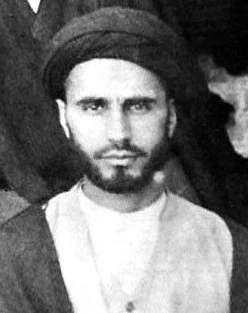
In 2026, reporting around Mojtaba Khamenei kept revenge rhetoric in view amid a wider war, another sign that the language of grievance still travels through the ruling family and the state it shaped. The names have changed at the margins, but the political inheritance has not: the revolution’s first generation still defines what toughness looks like, what compromise is worth, and when humiliation demands a response.
That is the central policy risk for the United States. If Washington assumes that pressure will produce quiet pragmatism, it may misjudge escalation, overestimate the appeal of restraint, and build war expectations on the wrong reading of Tehran’s political memory. Iran’s revolutionary generation still governs from a history in which confrontation is not an exception to power, but one of its original languages.
Sources
- [1]nytimes.com
- [2]brookings.edu
- [3]iranhrdc.org
- [4]bbc.com
- [5]cbsnews.com