World
Iran's Right to Impose Tolls in Strait of Hormuz Faces Legal Hurdles
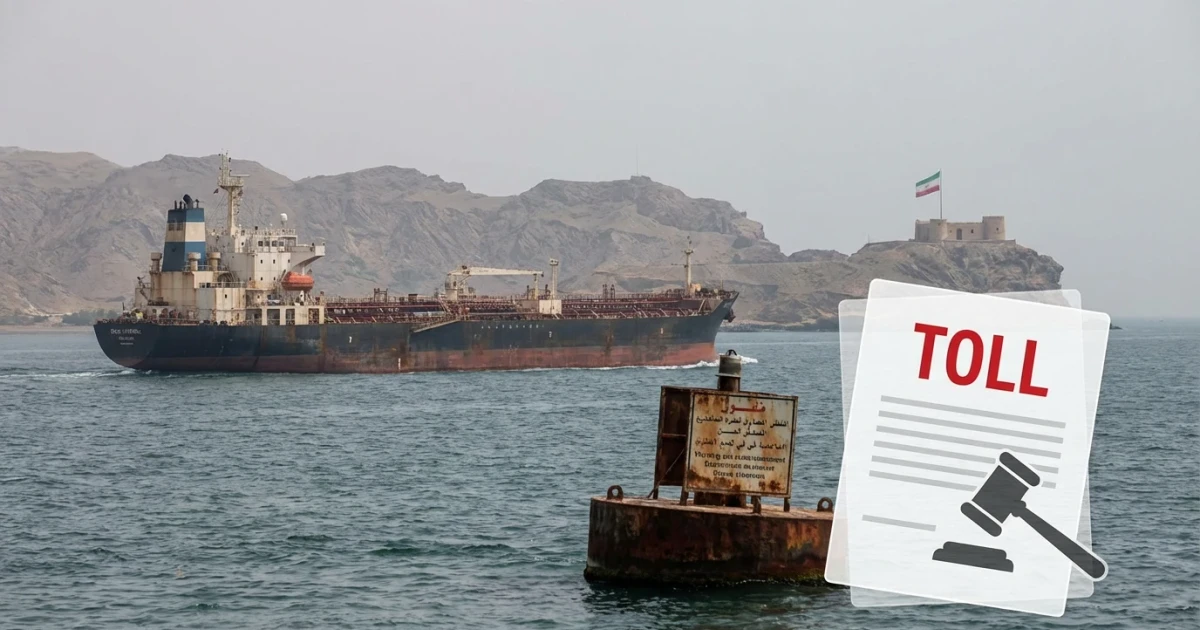
Iran’s ability to levy tolls or fees on ships passing through the Strait of Hormuz is facing renewed scrutiny, with legal experts and shipping nations watching closely for any developments that could impact one of the world’s most important energy corridors. The Economic Times raised the question of whether Iran has the legal authority under international law to put a price on passage through the strait, a move that could have significant consequences for global oil and maritime trade.
The Strategic Importance of the Strait
The Strait of Hormuz is a narrow waterway connecting the Persian Gulf with the Gulf of Oman and the Arabian Sea. It is considered the world’s most critical oil chokepoint, with approximately 20% of global oil exports—over 20 million barrels per day—transiting the strait each year. Its strategic significance means any changes to shipping rules or costs could ripple through global energy markets and supply chains.
What International Law Says
Passage rights through international straits are governed by the United Nations Convention on the Law of the Sea (UNCLOS), which establishes the principle of “transit passage” for straits used for international navigation. Under UNCLOS, ships and aircraft of all countries enjoy the right of unimpeded transit through such straits, as long as they proceed without delay and refrain from threatening the peace or security of bordering states.
- Article 38 of UNCLOS specifically grants the right of transit passage in international straits.
- Article 42 allows bordering states to adopt laws and regulations relating to safety, pollution, and fishing, but they must not hamper the right of transit passage.
- There is no explicit provision in UNCLOS permitting bordering states to levy tolls or charges simply for passage, except for fees related to specific services rendered, such as pilotage or port services.
The International Maritime Organization maintains that these principles are critical to ensuring freedom of navigation in key shipping lanes.
Iran’s Position and Global Responses
Iran, as a bordering state, controls the northern coastline of the Strait of Hormuz and has, at times, threatened to restrict or regulate passage in response to international tensions. However, legal analysts point out that Iran is a signatory to UNCLOS, although it has not formally ratified the treaty. Many nations, including major oil importers, argue that customary international law and the widespread acceptance of UNCLOS principles bind all states using the strait for international navigation.
The Economic Times noted that while Iran may seek to assert additional control or extract economic benefit from passage, international law does not support the imposition of general tolls. Any attempt to do so could prompt challenges in international courts, disrupt global shipping, and trigger diplomatic tensions.
Potential Impacts on Global Shipping
According to UNCTAD maritime transport data, the vast majority of oil shipments from major producers like Saudi Arabia, Iraq, and the UAE rely on the Strait of Hormuz. Imposing tolls or passage fees could increase transportation costs, disrupt supply contracts, and potentially drive up energy prices worldwide.
- Roughly one-fifth of all global seaborne traded oil passes through the Strait each year.
- Any unilateral action by Iran to impose tolls could incentivize the use of alternative routes, but most regional pipelines do not have the capacity to replace sea transit through the strait.
Legal and Diplomatic Pathways Forward
Experts suggest that if Iran proceeds with any form of toll or charge for passage, affected shipping nations could seek recourse through international legal bodies or negotiations. The matter could also be raised before the International Maritime Organization or the International Tribunal for the Law of the Sea, both of which play roles in interpreting maritime law and resolving disputes.
For now, the legal consensus remains that Iran’s rights over the Strait of Hormuz are limited by international law, and that freedom of navigation remains paramount for global commerce and energy security.
Looking Ahead
While Iran’s authority over its territorial waters is recognized, the legal and practical barriers to charging tolls for passage through the Strait of Hormuz remain significant. The issue is likely to remain a point of contention in regional geopolitics and international maritime law, with the world’s energy markets watching closely for any change in the status quo.