World
Iran’s Strait of Hormuz claim sparks shipping safety fears
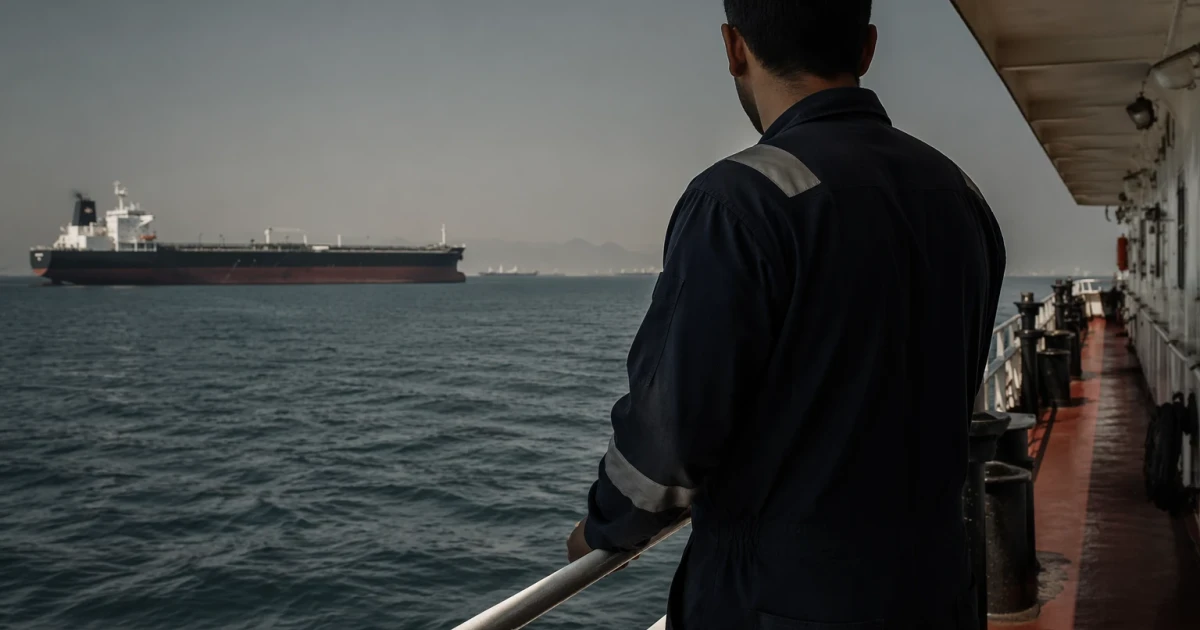
The International Maritime Organization said 115 vessels had been evacuated from the Strait of Hormuz area by June 26 and that about 2,450 seafarers had been moved out as the region’s maritime safety plan expanded. The figure underscores how a single disputed phrase in the U.S.-Iran understanding over the waterway has turned into an operational problem for ships, crews and energy flows.
At the center of the dispute is Iran’s reading of a promise to “make arrangements” for passage through the strait. Tehran has taken that to mean it can designate which routes ships use, while the U.S. side has said the interim understanding was meant to allow safe, toll-free passage for commercial ships for 60 days while Iran, Oman and Gulf states discuss the future administration and maritime services of the waterway.
The argument lands in one of the world’s most sensitive maritime corridors. The Strait of Hormuz carries about a fifth of global oil and liquefied natural gas supplies, and the International Maritime Organization says roughly 20,000 seafarers, port workers and offshore crews are affected by the situation in the region. IMO also says the existing Traffic Separation Scheme in the strait was proposed by Iran and Oman and adopted in 1968 to mark lanes that reduce collisions and improve safety.
Legal footing remains part of the fight. Under the U.N. Convention on the Law of the Sea, ships and aircraft in straits used for international navigation enjoy the right of transit passage, and that passage shall not be impeded. That framework clashes with Iran’s assertion that ships transiting without its permission or outside designated routes would be responsible for any consequences.
IMO has already launched a safe maritime framework and a phased evacuation plan for ships trapped in the Gulf region, with daily evacuation reports being published and the effort coordinated with relevant states and industry partners. By late June, the agency said the evacuation work was continuing as traffic in the strait showed signs of recovery but remained fragile.
The stakes go beyond diplomacy. Mixed messages from Washington and Tehran have already unsettled shipping and oil markets, and the disagreement over routes, permission and tolls could complicate any lasting deal. In a chokepoint that handles a huge share of the world’s energy trade, imprecise wording has become a practical hazard, with real consequences for naval movement, commercial shipping and crisis management.
Sources
- [1]nytimes.com
- [2]imo.org
- [3]un.org
- [4]legal.un.org
- [5]cnbc.com
- [6]politico.com
- [7]aljazeera.com