US News
Iran’s Strategic Hold Shapes Security in Strait of Hormuz
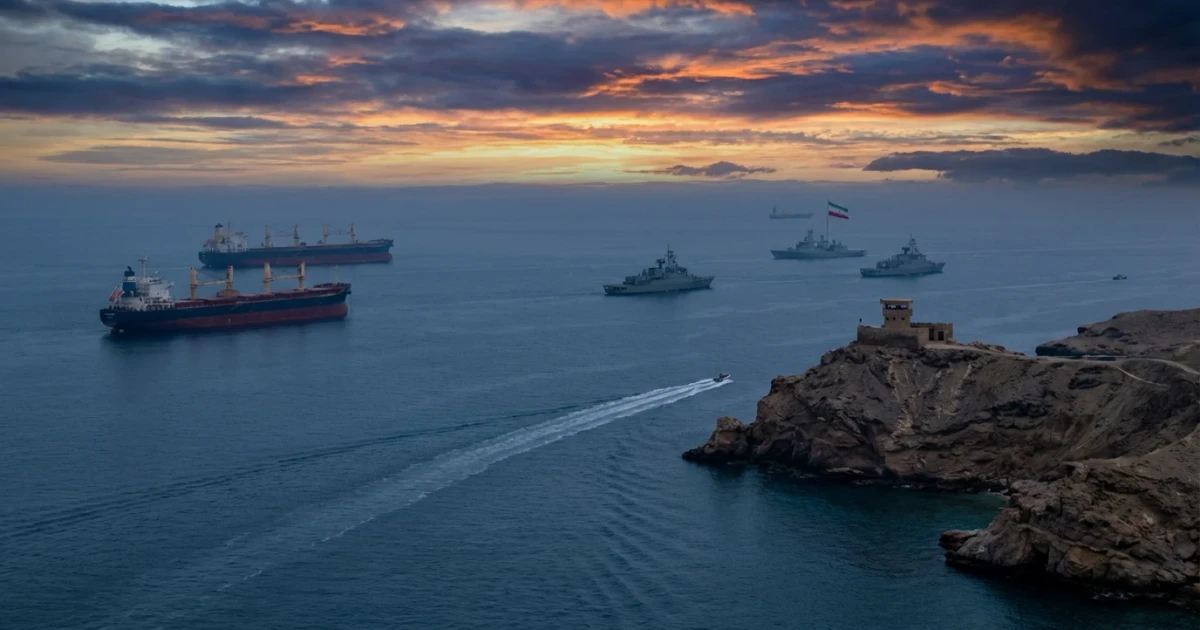
Iran’s unique geographic position continues to underpin its influence over the Strait of Hormuz, one of the world’s most strategic maritime chokepoints. Despite increased U.S. naval operations and economic sanctions, Tehran leverages its territorial advantage to maintain a pivotal role in global energy flows, as highlighted by recent reporting from The Washington Post.
The Geopolitical Importance of the Strait
The Strait of Hormuz is a narrow waterway connecting the Persian Gulf to the Gulf of Oman and onward to international markets. According to the U.S. Energy Information Administration, it is the world’s most important oil transit chokepoint, with roughly one-fifth of global oil consumption—about 21 million barrels per day—passing through its waters in 2023. This volume includes oil exports from Saudi Arabia, Iraq, the United Arab Emirates, Kuwait, and Qatar, making the passage essential for both regional producers and energy-importing nations worldwide.
Iran’s Geographic Leverage
Iran’s coastline stretches along the entire northern boundary of the Strait, giving it proximity and immediate access to the narrowest point—just 21 nautical miles wide at its slimmest. This is further reinforced by Iranian control over several islands within or near the strait, including Abu Musa, Greater Tunb, and Lesser Tunb. The Washington Post emphasized that this geography allows Iran to position its military assets and surveillance systems for maximum effect, enabling rapid deployment of naval and missile forces if tensions escalate.
- Iran’s navy and Revolutionary Guard maintain a persistent presence in the strait, with fast attack craft and anti-ship missile batteries located along the coastline.
- Tehran’s ability to monitor and, if necessary, threaten commercial shipping is enhanced by both physical proximity and years of investment in asymmetric maritime capabilities, as detailed on GlobalSecurity.org.
U.S. Naval Presence and Blockade Efforts
The United States has long stationed naval forces in the region to ensure freedom of navigation, and recent moves have intensified as Washington seeks to curb Iran’s oil exports and limit its regional influence. Despite these efforts, The Washington Post reports that the U.S. blockade has not eliminated Iran’s strategic leverage. Instead, Iran’s proximity to the shipping lanes and its capacity for rapid escalation remain potent deterrents to any attempts at complete isolation.
The U.S. blockade is also reshaping global energy markets. The Wall Street Journal notes that American oil exports are expected to rise as buyers seek alternatives to Middle Eastern supplies, but this shift may also drive up prices at the pump for consumers worldwide. The long-term impact depends on the stability of flows through the strait and Iran’s willingness to exercise its power over the vital waterway.
Shipping and Global Trade Risks
According to data from the UN Conference on Trade and Development, more than 1,500 ships transit the Strait of Hormuz each month, including oil tankers and liquefied natural gas carriers. Any disruption could have outsized effects on maritime trade, insurance rates, and global supply chains. The International Chamber of Shipping underscores the strait’s significance for world energy security.
Analysis and Outlook
Iran’s enduring grip on the Strait of Hormuz is not solely a matter of military strength, but of geography and strategic patience. The country’s location, combined with investments in asymmetric capabilities, ensures that it remains a gatekeeper to the Persian Gulf. Meanwhile, U.S. efforts to limit Iran’s oil exports—though impactful—cannot fully negate Tehran’s influence as long as its territory straddles this vital chokepoint.
With global attention focused on energy security and the stability of shipping lanes, the situation in the Strait of Hormuz will remain a key barometer for regional tensions and international economic health. As Iran leverages its geographic edge, the world watches to see how long this delicate balance can be maintained.