US News
Iran’s Supreme Leader Reaffirms Commitment to Nuclear and Missile Programs
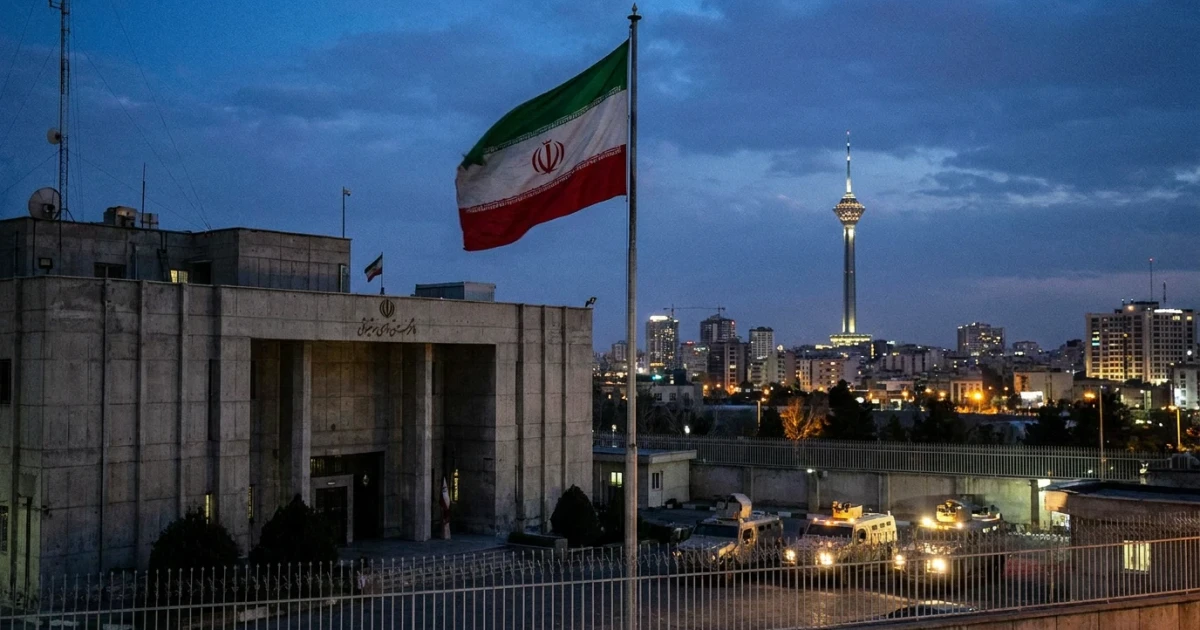
Iran’s Supreme Leader Ayatollah Ali Khamenei has publicly reaffirmed the country’s determination to safeguard its nuclear and missile capabilities, signaling a defiant stance amid persistent tensions with Western governments. The remarks, as reported by AP News, come at a time when Iran’s strategic programs remain under intense international scrutiny and have prompted renewed debate over the nation’s intentions and regional security implications.
Supreme Leader’s Statement: Defending Strategic Assets
In recent comments, Khamenei declared Iran’s nuclear and missile programs to be essential pillars of national defense. He vowed to protect these capabilities against both external pressures and potential threats, underscoring their role in Iran’s security doctrine. This pledge follows years of negotiations, sanctions, and diplomatic efforts by the international community to limit Iran’s nuclear activities and curb its missile development.
Background: International Concerns and Sanctions
Iran’s nuclear program has been a focal point for global concern, with suspicions that uranium enrichment and technological advances could facilitate the development of nuclear weapons. The country maintains that its activities are strictly for peaceful purposes, such as energy production and medical research. According to the International Atomic Energy Agency (IAEA) Iran Nuclear Facilities Database, Iran continues to operate a range of declared nuclear facilities, including enrichment plants and research reactors.
Efforts to limit Iran’s nuclear activities have included the UN Security Council’s Resolution 2231, which set restrictions on Iran’s nuclear and missile-related activities in exchange for sanctions relief. However, recent reports indicate Iran has expanded its stockpiles and enrichment levels, raising concerns about the program’s potential military dimensions. Detailed data from the Arms Control Association show Iran’s uranium enrichment has surpassed key thresholds outlined in previous agreements.
Missile Development: Regional Implications
Iran’s missile program is widely regarded as one of the most advanced in the region, with a diverse arsenal of ballistic and cruise missiles. The Federation of American Scientists notes that Iran has conducted numerous missile tests, demonstrating ranges capable of reaching targets across the Middle East and beyond. According to the SIPRI Arms Transfers Database, Iran continues to develop and deploy missiles despite sanctions and export controls.
- Iran’s missile arsenal includes short, medium, and intermediate-range systems
- Recent tests have showcased precision-strike capabilities
- Missiles are viewed as a deterrent against regional adversaries
Rhetoric and Diplomatic Tensions
Khamenei’s speech included sharp criticism of Western powers, specifically targeting the United States. AP News reports that the Supreme Leader characterized U.S. policy as hostile and urged resistance against foreign interference. His language, while not unprecedented, reflects Iran’s longstanding narrative of sovereignty and resistance in the face of international pressure.
Analysis: Strategic Calculus and Future Outlook
Iran’s renewed commitment to its nuclear and missile programs is likely to complicate efforts at diplomatic engagement and may provoke further sanctions or regional security responses. Experts suggest that the Supreme Leader’s statements are intended to project strength domestically and internationally, reinforcing the notion that Iran will not yield on what it considers vital national interests.
As the international community debates how best to address Iran’s ambitions, the situation remains fluid. Monitoring of Iran’s facilities, enrichment activities, and missile tests continues via organizations like the Institute for Science and International Security. The coming months may see renewed negotiations—or escalation—depending on how both Iran and its interlocutors respond to these latest declarations.
For a deeper look at Iran’s nuclear facilities, enrichment data, and missile inventories, readers can explore:
- IAEA Iran Nuclear Facilities Database
- Federation of American Scientists: Iran Nuclear Program
- Arms Control Association: Iran Nuclear Program Fact Sheet
- SIPRI Arms Transfers Database: Iran
- Institute for Science and International Security: Iran Country Page
Iran’s resolve to protect its strategic programs sets the stage for continued diplomatic challenges and regional uncertainty. Observers will be watching closely for both policy shifts and technical developments in the months ahead.