World
Iran's top leaders push nuclear deal talks with Washington
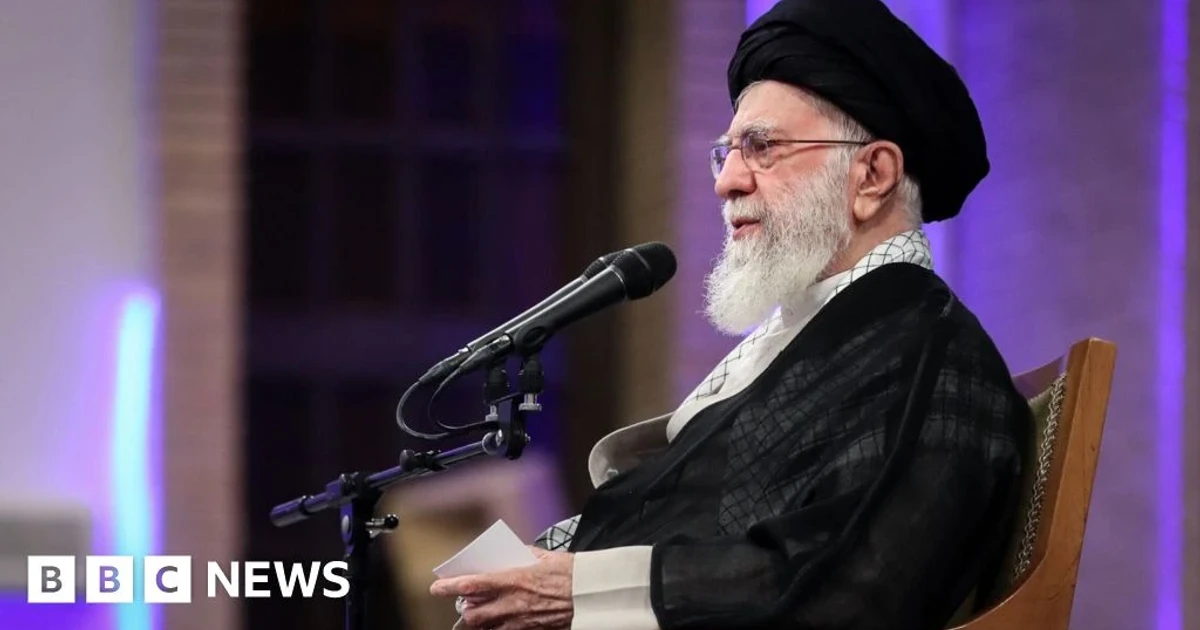
Iran’s path to a deal with Washington now runs through three men who hold different pieces of the same power structure. Supreme Leader Ali Khamenei can authorize the bargain, Foreign Minister Abbas Araghchi can shape the diplomacy, and Parliament Speaker Mohammad Bagher Ghalibaf is emerging as the figure who can sell it to Iran’s political class and help prevent a domestic backlash.
That hierarchy matters because the negotiations are no longer just about uranium or sanctions. They are tied to the aftermath of the 2026 Iran-Israel war, the ceasefire understanding that followed, and a broader package that includes sanctions relief, frozen Iranian assets and the security of the Strait of Hormuz. The talks have been framed as a 60-day process, with technical discussions expected after the initial political understanding.
Araghchi, who has served as foreign minister since 2024, remains the main Iranian diplomatic face of the discussions. Ghalibaf, a former Revolutionary Guards commander, Tehran mayor and presidential candidate, has become more central as a conduit among Iran’s political, security and clerical elites. A senior U.S. official said Khamenei had authorized Ghalibaf to sign the agreement and negotiate on Tehran’s behalf, a sign that the parliament speaker’s role has moved beyond domestic politics and into the mechanics of statecraft.
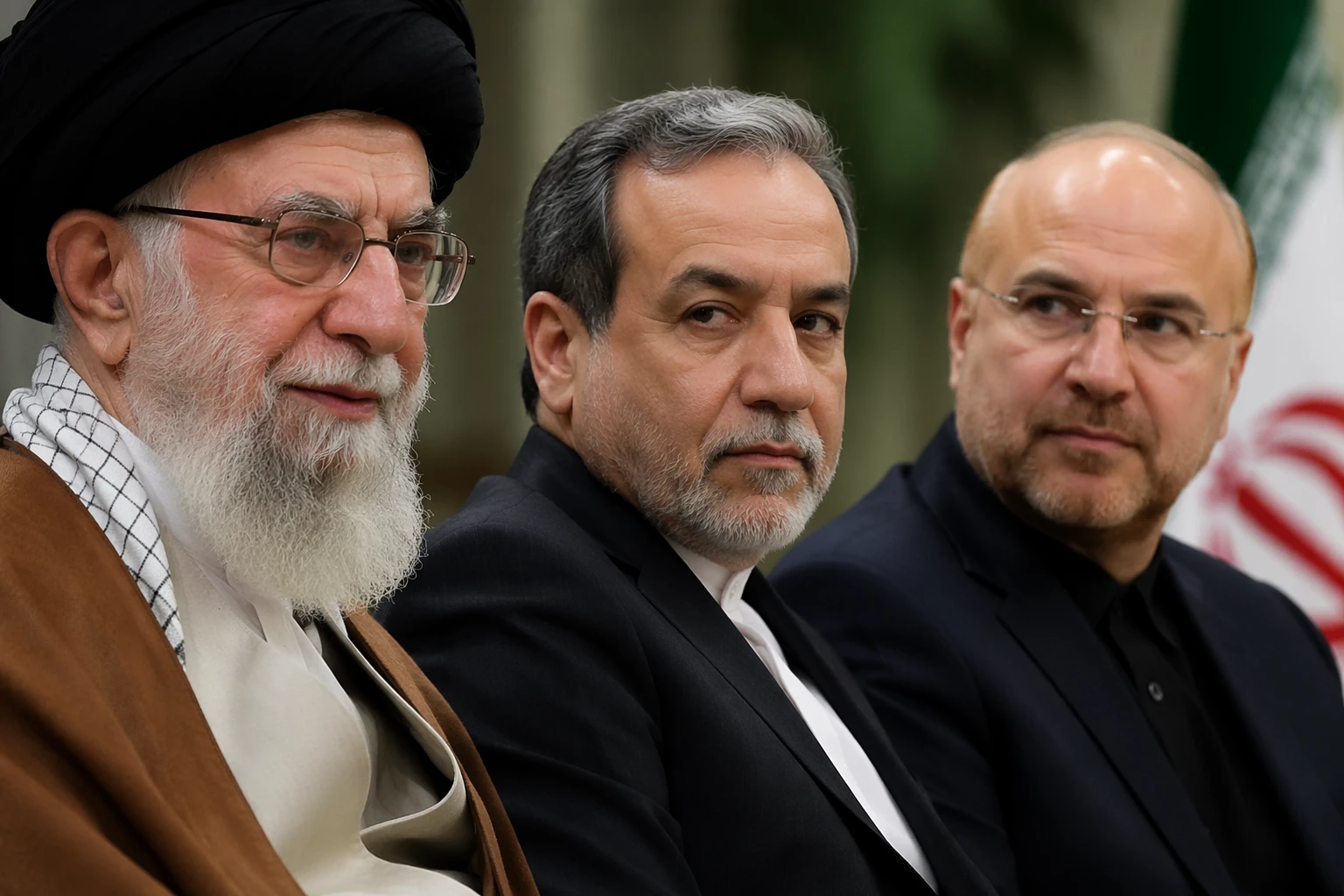
The structure is unusual but deliberate. Araghchi can negotiate text, Ghalibaf can help assemble support across the Majlis and elite networks, and Khamenei remains the only figure with the authority to bless any final arrangement. U.S. officials have also said the supreme leader has become more active in the process, underscoring how closely the talks are being managed from the top.
Even so, the deal faces resistance inside Iran. Conservative activists and hardline figures have warned against trusting Washington and argued that any agreement could collapse if the United States does not deliver. Inside the security establishment, IRGC commander Ahmad Vahidi has tried to curb the authority of Ghalibaf and Araghchi over the delegation handling the Islamabad channel, a reminder that the negotiations are being contested even before they are signed.
The current track builds on a longer diplomatic chain. Earlier indirect U.S.-Iran contacts were held in Oman, Rome, Geneva and Islamabad across 2025 and early 2026. That history points to a familiar Iranian pattern: external bargaining moves only as fast as the internal balance of power allows. In this case, the odds of any agreement will be measured not only in Washington, but in how firmly Khamenei, Araghchi and Ghalibaf can hold Tehran together.
Sources
- [1]nytimes.com
- [2]usnews.com
- [3]iranintl.com
- [4]aljazeera.com
- [5]stimson.org