World
Iran’s weak election turnout signals fading Islamist identity, rising nationalism
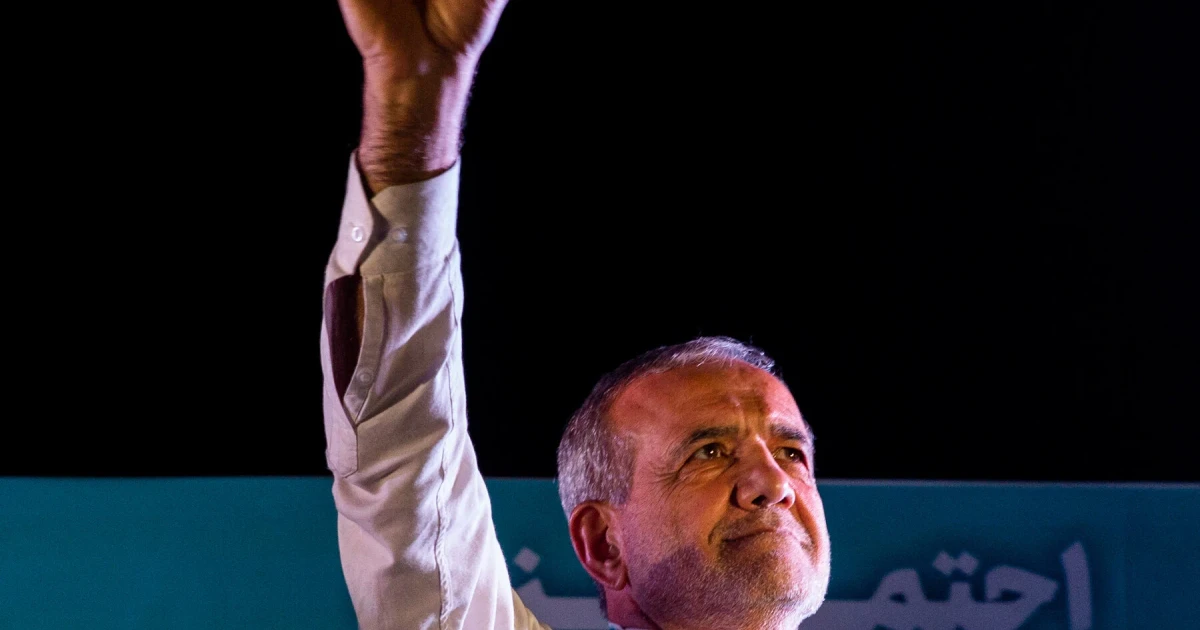
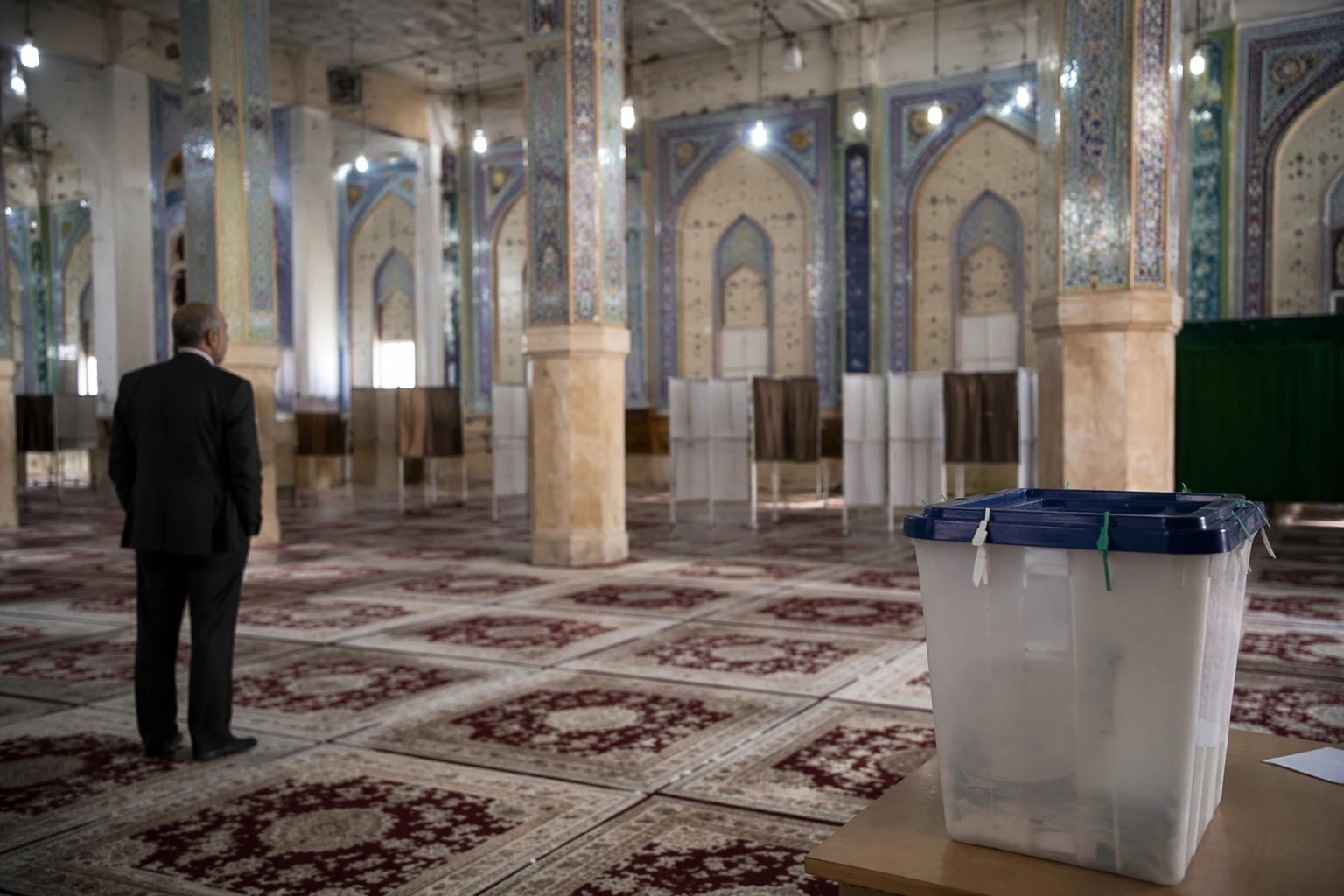
On June 28, 2024, Iran’s snap presidential election drew 39.93 percent participation, the lowest in the republic’s history; the July 5 runoff rose to 49.68 percent and delivered victory to Masoud Pezeshkian over Saeed Jalili, with the Ministry of Interior announcing 16,384,403 votes for Pezeshkian and 13,538,179 for Jalili. The vote exposed a deeper break inside the Islamic Republic: millions stayed home, and the state could no longer present turnout as proof of religious consensus.
A state built on clerical supremacy
Iran’s current power structure was designed after the 1979 revolution to keep elected office under religious supervision. The constitution places the executive, parliament, and judiciary beneath institutions dominated by the clergy, creating a mixed system in which a ranking cleric, the Supreme Leader, sits above the formal branches of government. That model came after the Pahlavi era, when state-centered, secular nationalism set the tone from 1925 to 1979; after 1979, clerical political Islam became the dominant state ideology.
Low turnout as a political verdict
The 2024 election did not just produce a winner. It showed how thin the public’s confidence had become in a system that still uses ballots to project legitimacy. The vote was triggered by the death of President Ebrahim Raisi in a helicopter crash on May 19, 2024, and the 39.93 percent turnout meant roughly 60 percent did not vote in the snap election.
Iran’s leadership has long treated participation as a political resource, not just an administrative statistic. A runoff that climbed to 49.68 percent did not erase the message from the first round; it showed that even when the state forced a second chance at mobilization, the public response still fell far short of the kind of turnout that once accompanied the regime’s revolutionary self-image.
Religion still governs, but it no longer fully persuades
The state has not softened its religious reach. USCIRF’s 2025 Iran Country Update documents Iranian authorities targeting Baha’is, Jews, Christians, Sufis, Sunni Muslims, and other non-Shi’a communities, while also enforcing religiously grounded policies that restrict freedom for women and girls. It documents intensified crackdowns on women who resist the mandatory hijab law after the death of Mahsa Zhina Amini, along with the use of the judicial system to impose Islam in practice.
National identity is becoming the safer language of power
The erosion of Islamist mobilization is opening space for a different political vocabulary: Iranian nationhood. Iranian nationalism has deep roots and has repeatedly reappeared in new forms, while nationalism and religion have competed and combined in different eras. In the Pahlavi period, secular nationalism anchored the state; after the revolution, the Islamic Republic tried to absorb nationalism into clerical rule. Today, the low turnout and the state’s repression of its own society are making plain that religion alone no longer binds the political community with the force it once did.
That does not mean Iran is becoming secular overnight. It means the regime has stronger incentives to speak in the language of nation, sovereignty, and territorial defense, especially when religious legitimacy no longer guarantees obedience.
Regional alliances are under strain
The domestic legitimacy problem is arriving just as Iran’s regional strategy has been shaken. The Congressional Research Service assessed that Iran suffered significant military and strategic setbacks in 2024, including severe damage to Hezbollah in Lebanon and Hamas in Gaza, plus regime change in Syria, all of which raised questions about the future viability of the “axis of resistance.” Those losses may reduce Tehran’s ability to rely on the asymmetric tools that long projected Iranian power across the Middle East.
A regime that once leaned on revolutionary Shiism to justify its reach abroad now faces a narrower ideological toolkit at home and a weaker network abroad. If the Islamic Republic cannot inspire participation through religion and cannot reliably project influence through its allied armed groups, it is pushed toward a more defensive nationalism, one that frames survival as protection of the Iranian state rather than export of an Islamist revolution.
Sources
- [1]nytimes.com
- [2]uscirf.gov
- [3]iranprimer.usip.org
- [4]iranintl.com
- [5]congress.gov
- [6]nature.com