Sports
Iran's World Cup draw with New Zealand exposes diaspora divide
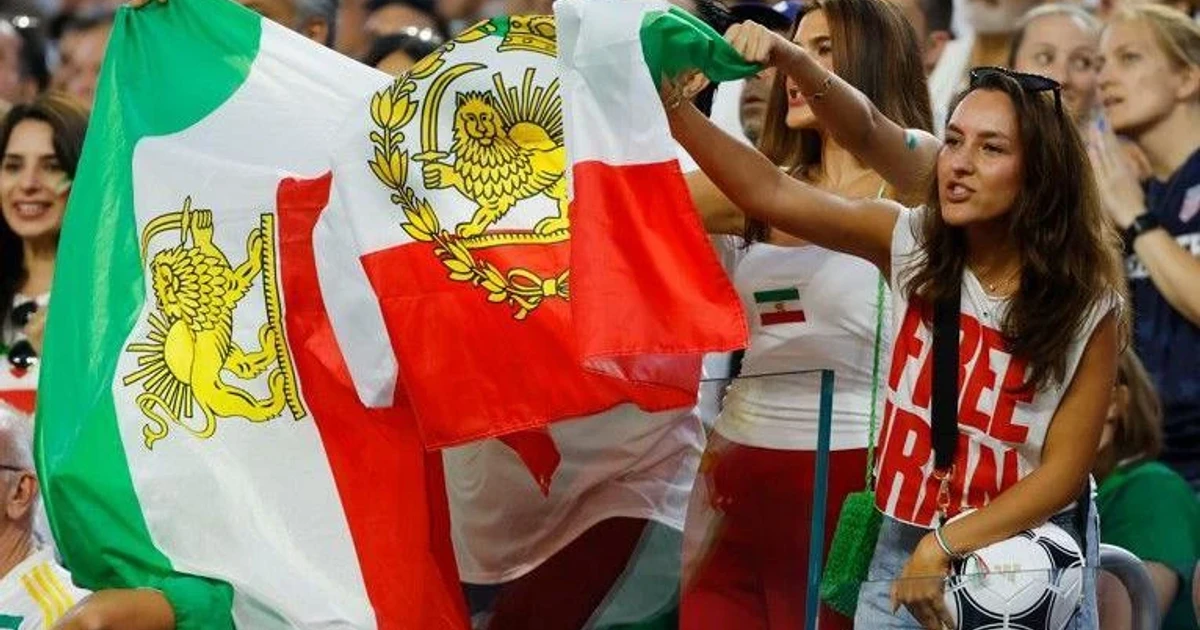
At SoFi Stadium in Inglewood, the noise around Iran’s 2-2 draw with New Zealand was as political as it was sporting. Inside, some spectators booed Iran’s national anthem; outside, hundreds of anti-regime protesters turned the opener into a referendum on who gets to represent Iran abroad.
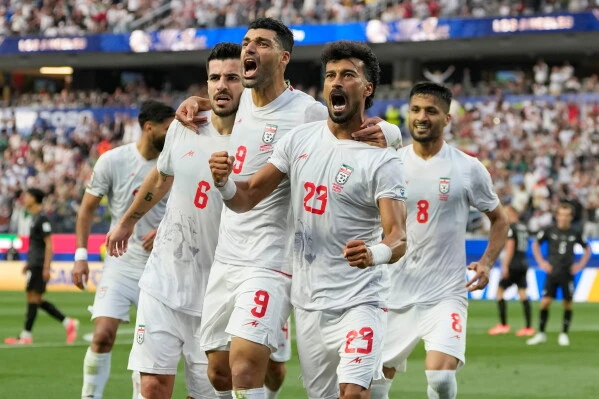
Iran twice came from behind in the Group G match on Monday, June 15, 2026. Ramin Rezaeian and Mohammad Mohebbi scored for Iran, while Elijah Just struck twice for New Zealand, a result that mattered far beyond the point it earned on the field. Iran and New Zealand had never met at a World Cup before, and the first meeting arrived with the weight of months of conflict involving Iran and the United States, along with wider regional tensions.
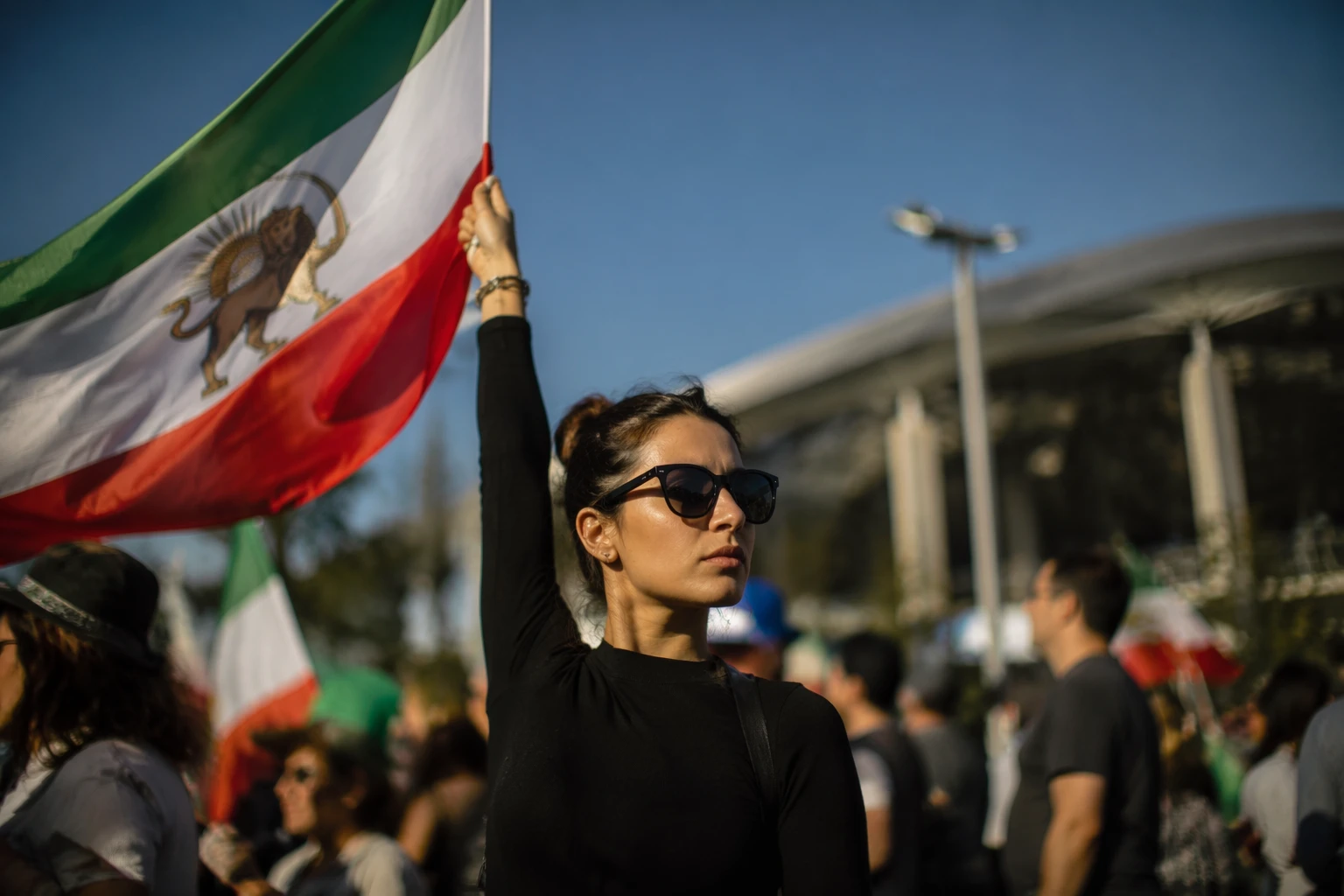
The political split was most visible in Southern California, home to the largest Iranian community outside Iran. Many Iranian Americans came to support Team Melli, seeing the national side as a symbol larger than the government in Tehran. Others gathered outside the stadium to oppose the Islamic Republic, treating the match as an occasion to make their own claim on Iranian identity.
The protesters brought that message in symbols as much as in slogans. Some waved the pre-revolutionary lion-and-sun flag, an emblem banned at Iranian stadiums and one that became the subject of a last-minute FIFA flag dispute in Los Angeles. The flag’s appearance outside SoFi Stadium underlined a central division within the diaspora: for some, it represented national heritage and resistance; for others, it was inseparable from politics at home.
That split was the story of the night as much as the 2-2 scoreline. The same team was cast in two sharply different roles, either as a national representative or as the sporting face of a government many exiles reject. In a city with deep Iranian roots, the opener showed how a World Cup fixture can become a public measure of exile, memory and power, with football offering a stage for a dispute far older than the match itself.
Sources
- [1]bbc.com
- [2]sports.yahoo.com
- [3]apnews.com
- [4]rfi.fr
- [5]independent.co.uk
- [6]cbc.ca
- [7]msn.com
- [8]mynewsla.com