Sports
Iraq ends 40-year World Cup drought, stirs pride in Dearborn
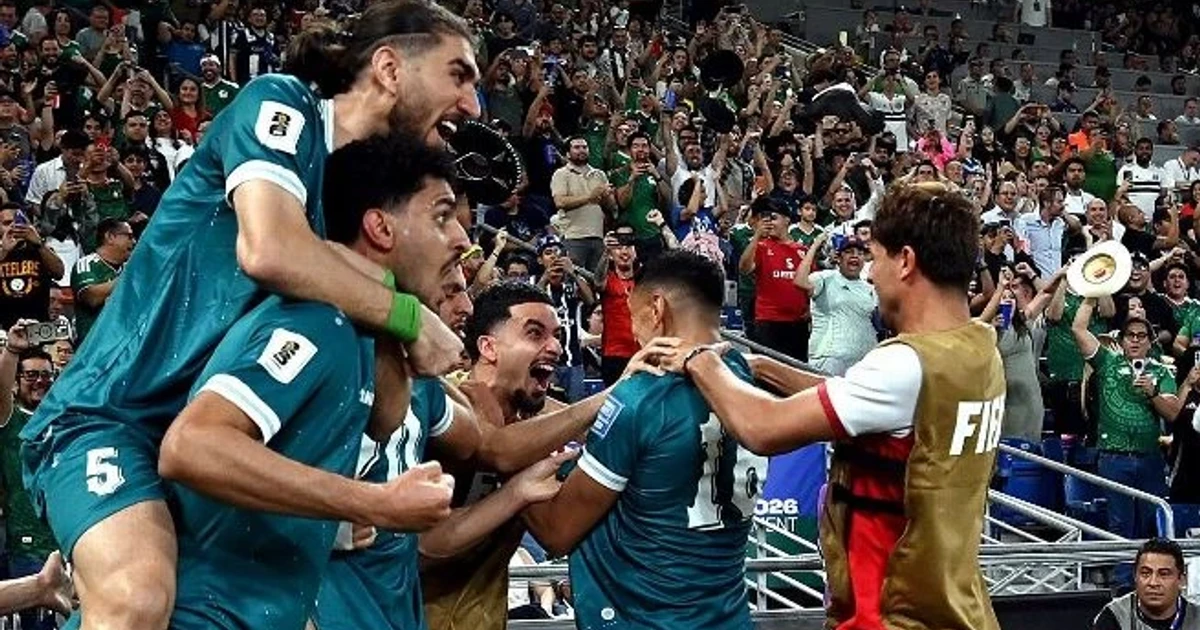
Iraq’s return to the World Cup reached far beyond Monterrey, Mexico, where the national men’s team beat Bolivia 2-1 on March 31 to claim the final berth in the expanded 48-team tournament. In Dearborn, Michigan, where a large Iraqi community has long carried the sport’s memories abroad, the qualification landed as both a sporting breakthrough and a family story passed across generations.
At Soccer World, owner Waad Sana said demand for Iraq jerseys surged after the win, with about 100 calls a day from fans trying to buy them. Sana opened the shop in 1986, the last time Iraq reached the World Cup, after watching that tournament unfold from afar. Four decades later, the same country’s return again gave Dearborn’s Iraqi diaspora a reason to gather around a result that felt bigger than football.
Iraq’s only previous World Cup appearance came in Mexico in 1986, when the team exited in the group stage. FIFA said the return ends a 40-year absence from the sport’s biggest stage. The 1986 campaign was shaped by the Iran-Iraq war, which forced Iraq to play all home qualifiers away from home, stripping the team of home advantage. That squad included Ahmed Radhi and Hussein Saeed, names still carried in Iraqi football memory.
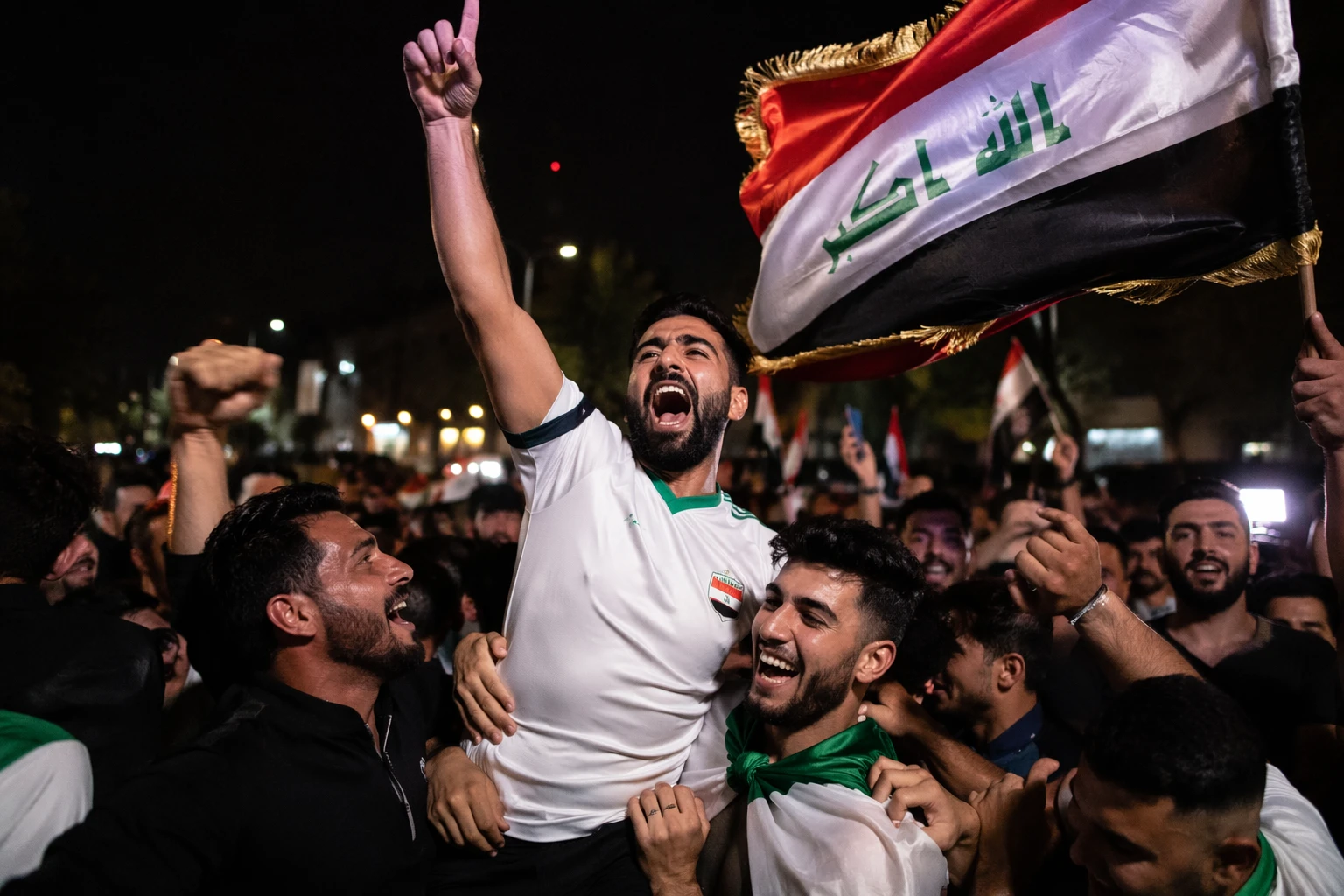
The road back was unusually long. FIFA said the global qualifying campaign spanned 899 matches over 937 days, with Iraq’s path running through the FIFA Play-Off Tournament in Monterrey. Iraq became the 48th and final team to qualify for the 2026 World Cup, which will be staged in the United States, Canada and Mexico. The draw placed Iraq in Group I with France, Senegal and Norway.
After the playoff victory, coach Graham Arnold said he was happy the team had made “46 million Iraqis happy.” Iraqi Prime Minister Mohammed Shia al-Sudani called the qualification an important turning point for Iraqi sports and a boost to the country’s standing internationally.
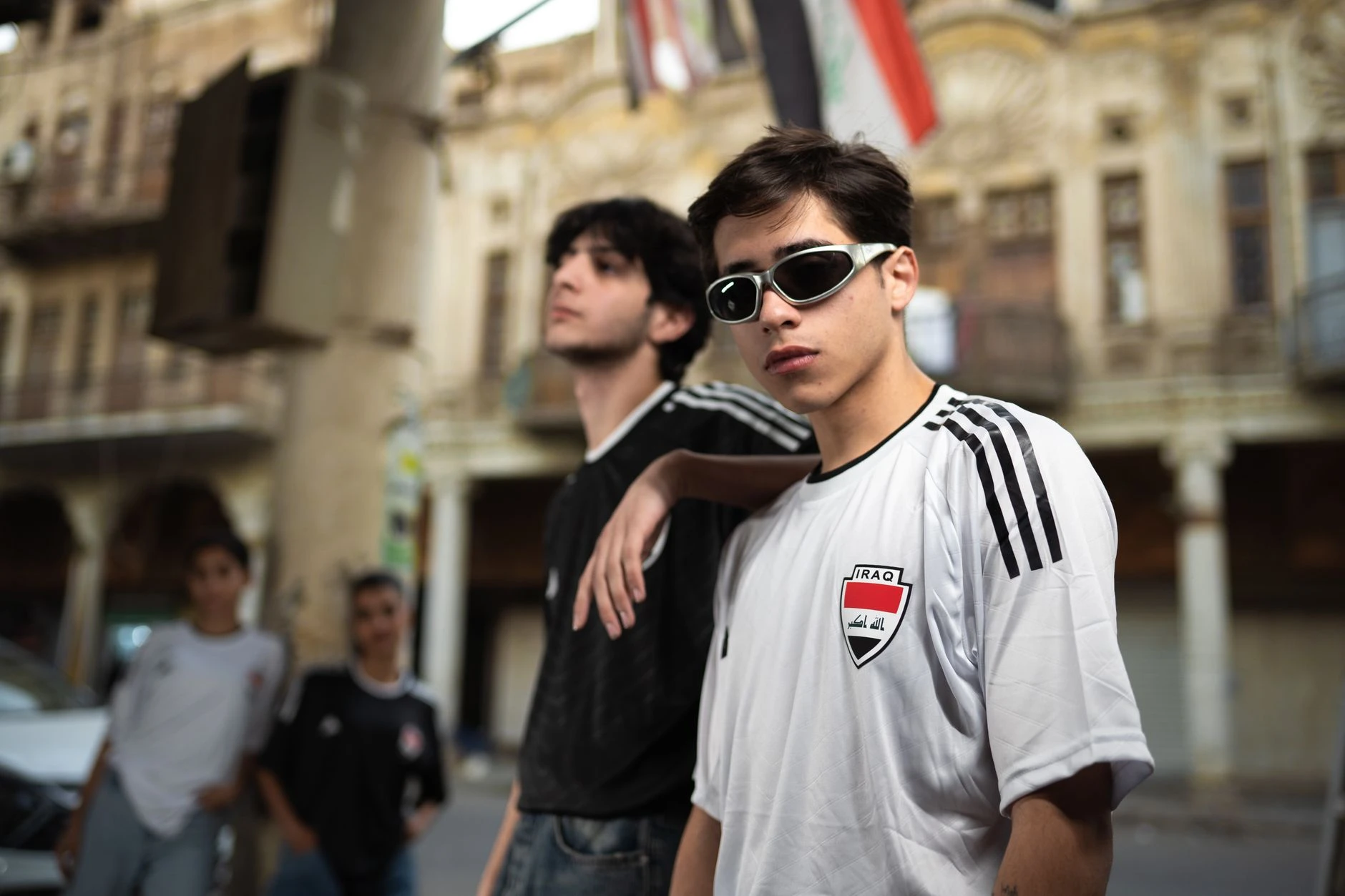
For Iraqis at home and abroad, the meaning has gone well beyond standings and brackets. Soccer has long served as a rare unifying force across Iraq’s ethnic and religious lines, and the team’s return to the World Cup has again become a point of shared memory for communities in Iraq and in places like Dearborn, where the nation’s past and future are still being played out together.
Sources
- [1]npr.org
- [2]weku.org
- [3]fifa.com
- [4]newarab.com
- [5]inside.fifa.com
- [6]tspr.org
- [7]reutersconnect.com