World
Iraq moves to bring Iran-backed militias under state control
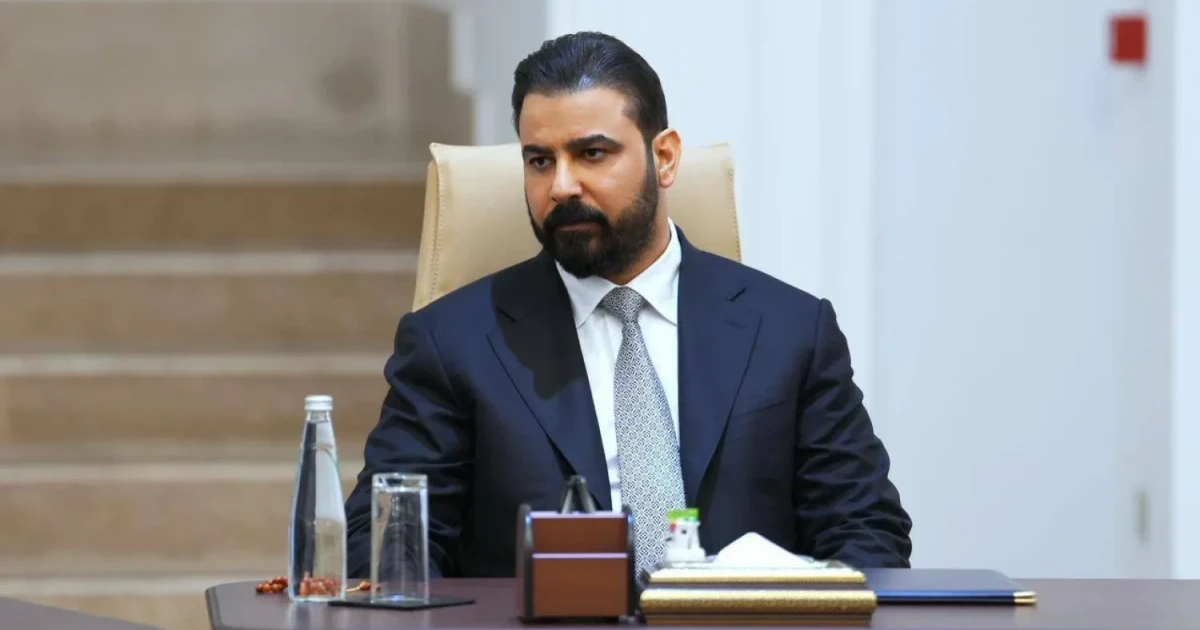
Ali al Zaidi moved on June 3 to turn a political promise into a security test, meeting delegations from Asaib Ahl al Haq and Kataib Imam Ali in Baghdad after both militias said they would sever ties with the Popular Mobilization Forces and place their weapons under state authority. Zaidi’s office said a joint committee would be formed within two days to work out how to disengage from the PMF and confine arms to the state, a step that would put the new government directly into the middle of Iraq’s most sensitive power struggle.
The opening came only days after Muqtada al Sadr announced on May 27 that he would dissolve Saraya al Salam and place it under state control. Zaidi, who was nominated on April 27 and sworn in on May 14, has made state control over weapons a central theme of his early tenure, while Washington continues to press Baghdad to distance itself from Iran and rein in armed groups that operate outside formal command structures. That pressure is rising as Iraq heads toward the planned end of the U.S. anti-Islamic State mission in September 2026, a deadline that raises the stakes for any confrontation between the state and the militias.
The Popular Mobilization Forces remain the institutional problem at the center of the crisis. Formed in 2014 during the fight against the Islamic State, the PMF now includes about 70 armed groups organized into dozens of brigades, and many of its factions trace their roots to the early 2000s and even the 1980s. A 2016 Iraqi law recognized the PMF as part of the state’s national security framework, but the United States has kept up pressure on some of its most powerful factions, designating Harakat al-Nujaba, Kataib Sayyid al-Shuhada, Harakat Ansar Allah al-Awfiya and Kataib al-Imam Ali as foreign terrorist organizations, while Treasury has also sanctioned figures tied to Kataib Hezbollah and Asaib Ahl al-Haq.
The latest pledges have not settled the bigger question of who would actually receive the weapons, or whether commanders loyal to Tehran would accept losing real autonomy in exchange for formal state ties. Analysts say some PMF leaders now have an incentive to avoid dragging Iraq deeper into regional escalation, especially as attacks across Iraq have hit U.S., Iraqi and civilian targets, but they also warn that Iran’s patronage networks and the Iraqi state’s limited reach could reduce any transfer of power to symbolism. That leaves Baghdad trying to prove that a committee, a law and a meeting in the prime minister’s office can do what years of compromise have not: make the state the only authority with force.
Sources
- [1]nytimes.com
- [2]longwarjournal.org
- [3]fdd.org
- [4]chathamhouse.org
- [5]atlanticcouncil.org
- [6]aljazeera.com