World
Iraq rice farmers return to fields, but drought risk remains
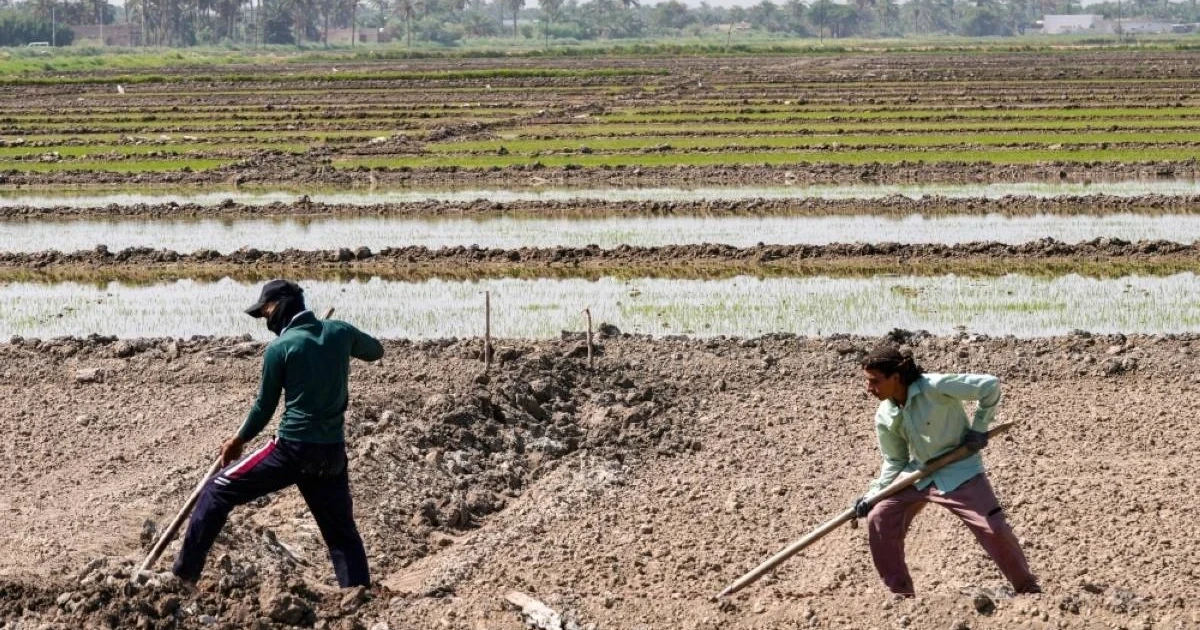
Alaa Al-Ibrahimi planted rice again in Al-Mishkhab after leaving a single dunam uncultivated last year. In Najaf province, farmers who had been pushed out by drought are flooding fields once more for amber rice, the fragrant crop that is planted in June and harvested in October.
The turnaround is visible in the government’s summer plan. Iraq’s agriculture ministry approved rice cultivation on 361,900 dunams this summer, a sharp jump from just 200 dunams last year, and output could reach about 300,000 metric tons. Heavy rains and stronger river flows from neighboring countries helped refill canals and fields after years of restrictions on water-intensive crops.
The recovery, though, rests on unstable ground. United Nations sources rank Iraq as the world’s fifth most vulnerable country to decreasing water and food availability and extreme temperatures. A 2025 UNDP Climate Vulnerability Index puts those climate risks in all 19 governorates, while a UN note put national reserves at about 4 billion cubic meters, an 80-year low, before the recent rebound. Even now, strategic reserves in major dams and lakes are only about 7 billion to 10 billion cubic meters.
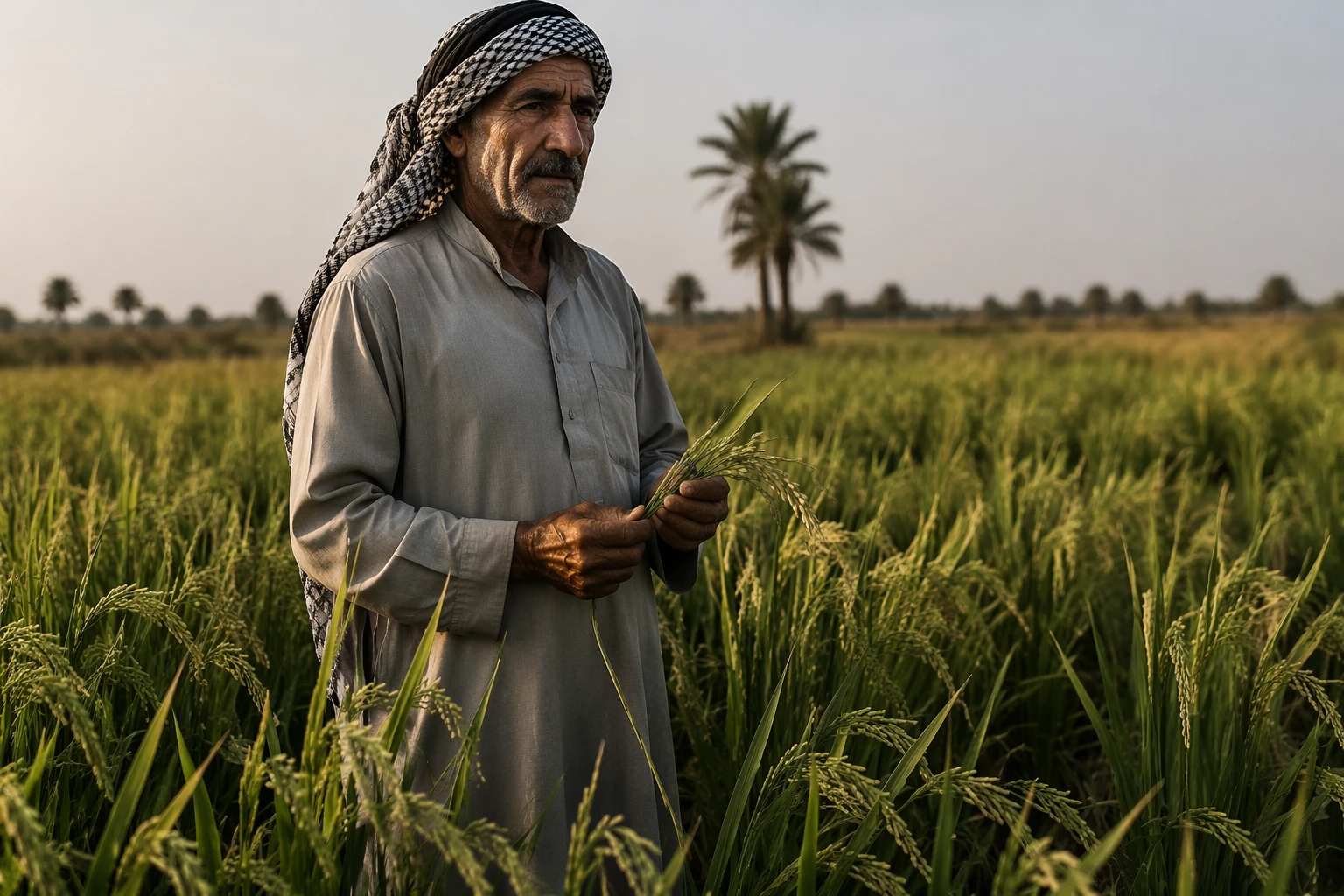
Iraq’s water storage has risen to roughly 30 billion cubic meters in 2026, up from about 4.5 billion last year. But Harry Istepanian, a water expert, called the recovery not yet sustainable and warned it could be undone quickly if the weather turns dry again. The country’s rice crop still depends on volatile flows in the Tigris and Euphrates, and on water-sharing arrangements beyond Iraq’s borders.
On June 15, Food and Agriculture Organization partners and Iraqi government officials met in Najaf to expand mechanized rice transplanting from a 100-dunam pilot to about 800 dunams. The Food and Agriculture Organization puts the method’s water-use cut at up to 30 percent.
Sources
- [1]arabnews.pk
- [2]iraq.un.org
- [3]undp.org
- [4]shafaq.com
- [5]iraq-businessnews.com
- [6]en.964media.com