Business
Iraq threatens to quit OPEC unless it gets a bigger oil quota
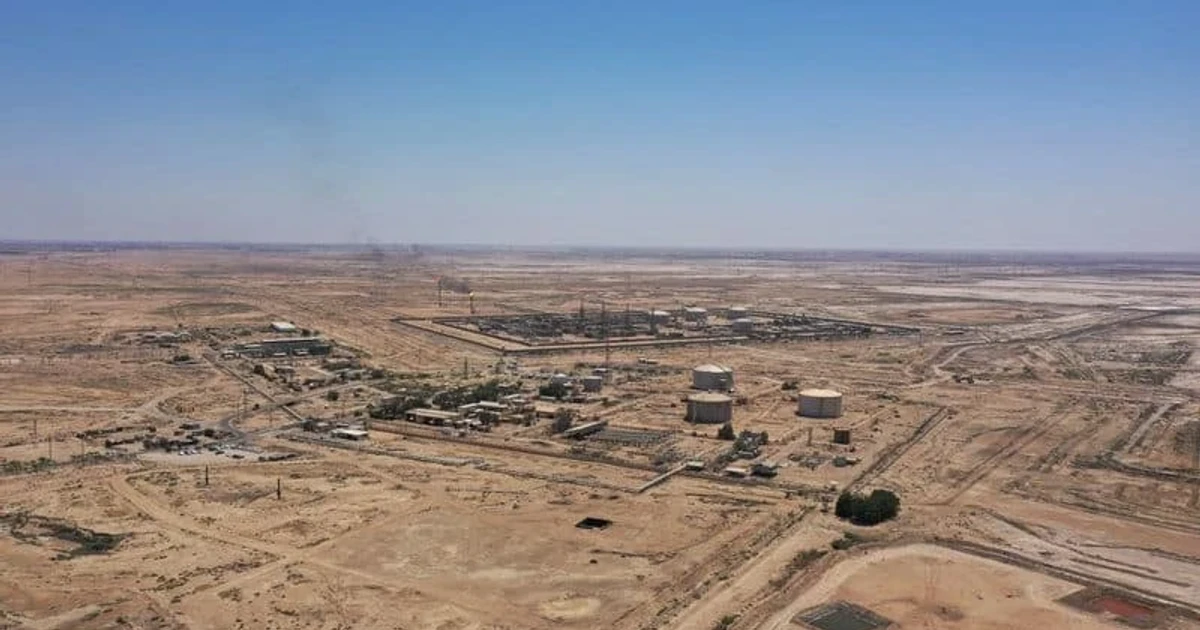
Iraq raised the stakes in its fight for a bigger OPEC quota, warning that it was prepared to consider every option, including leaving the group, if its production allocation did not rise significantly. The threat matters because Iraq is OPEC’s second-largest producer after Saudi Arabia and one of the five countries that founded the organization in Baghdad in 1960.
A senior Iraqi oil ministry official said the demand should be taken seriously. Iraq depends on oil for the bulk of its income, and the government is under financial strain as conflict has disrupted exports through the Strait of Hormuz. Fiscal pressure is severe: one Iraqi budget data set for January through May 2025 showed oil making up 91% of federal budget revenues. In June 2025, Iraq exported 98,882,613 barrels of crude and earned $6.698 billion, underscoring how closely public finances track oil flows and prices.
The dispute lands as OPEC+ is reviewing members’ production capacity for use in 2027 baselines and quotas. OPEC+ approved the mechanism on November 30, 2025, to assess each participating country’s maximum sustainable production capacity, with the evaluations running through 2026 and feeding into 2027 output benchmarks. That process has sharpened old arguments over who deserves room to pump more and who should accept tighter limits.
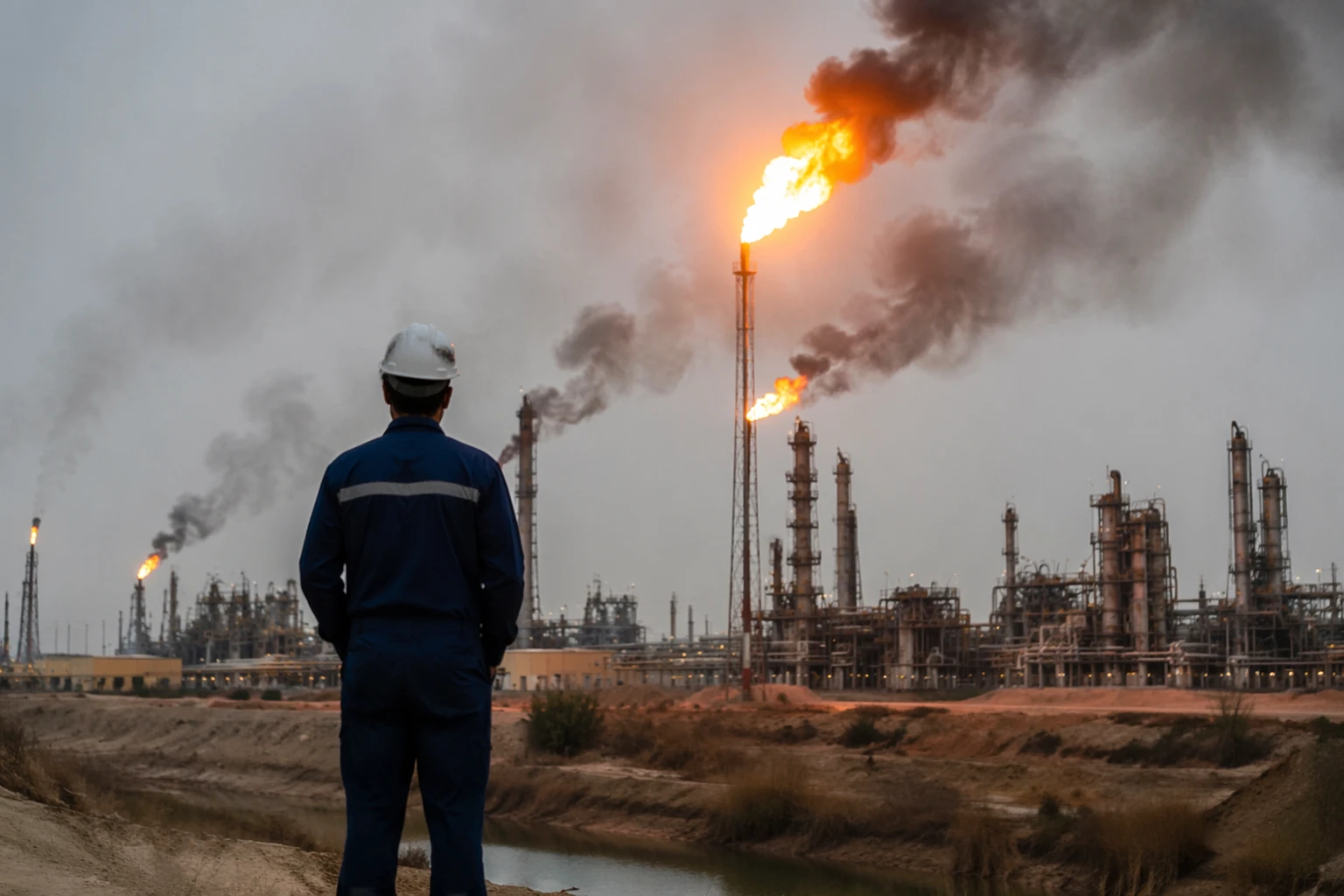
For Baghdad, the issue is not abstract. Higher quotas would bring in more revenue at a time when the government is trying to steady its finances, while lower quotas restrict one of its few immediate paths to recovery. Iraqi officials are treating the review as a test of whether OPEC still reflects current production realities or remains stuck in older political bargains.
The exit threat also cuts at OPEC’s symbolism. The group says it was created at the Baghdad Conference from September 10 to 14, 1960, by Iran, Iraq, Kuwait, Saudi Arabia and Venezuela. Any public rebellion by Iraq would therefore carry more weight than a routine quota dispute and could rattle confidence in the cartel’s ability to enforce discipline across its members.
Iraq has been trying to reduce its reliance on Gulf shipping routes as well. On June 2, officials said the country planned to more than triple pipeline exports toward the Mediterranean port of Ceyhan, from 220,000 barrels per day to 770,000 barrels per day within about two and a half months. That shift would give Baghdad more leverage if tensions in the Persian Gulf worsen.
Still, Iraq’s Oil Ministry denied on June 25 that the government had formally decided to withdraw from OPEC, saying neither the prime minister nor the cabinet had proposed an exit and that Baghdad remained committed to reassessing its quota inside OPEC mechanisms. Even so, the warning has turned a technical baseline review into a stress test for OPEC cohesion and global oil discipline.
Sources
- [1]internazionale.it
- [2]opec.org
- [3]argusmedia.com
- [4]pgjonline.com
- [5]pukmedia.com
- [6]iraqinews.com
- [7]english.news.cn
- [8]usnews.com