World
Iraq, Turkey strike one-year deal to keep crude flowing through Ceyhan
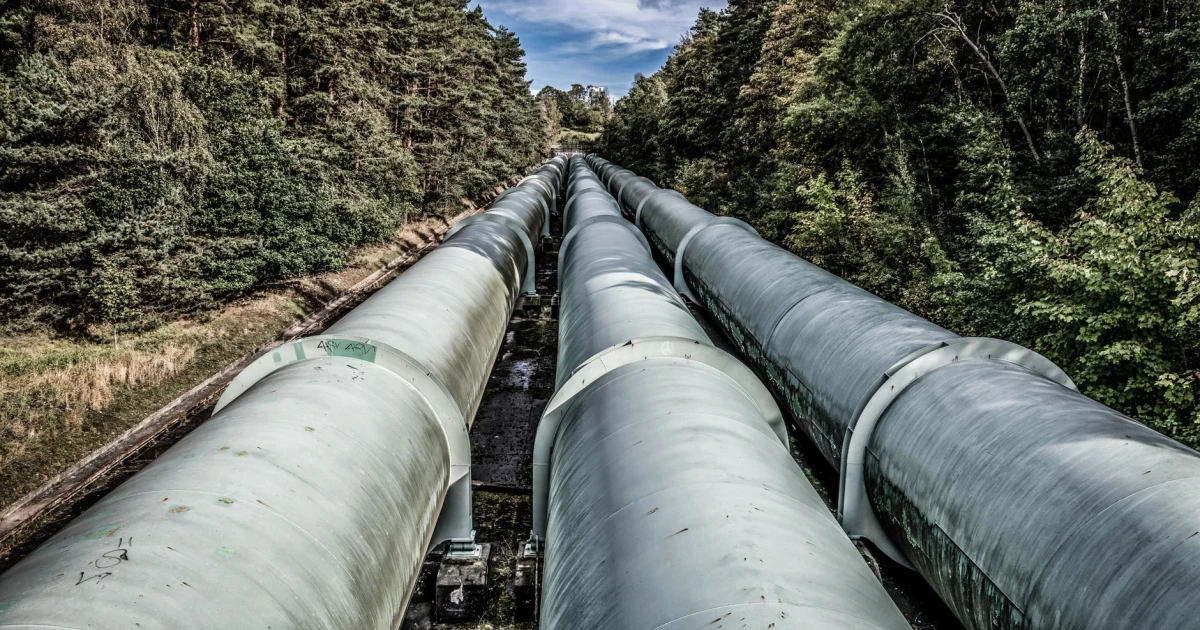
Iraq and Turkey signed a one-year deal to keep crude moving through the pipeline to the Mediterranean port of Ceyhan, preserving an export route that can carry 750,000 barrels a day. The agreement, signed by Iraqi Oil Minister Basim Mohammed Khudair and Turkish Energy and Natural Resources Minister Alparslan Bayraktar, gives Baghdad a practical hedge at a time when shipping risk remains high across the region.
The deal matters because Iraq depends heavily on oil exports for government revenue and economic stability. By keeping the Ceyhan route open, Baghdad reduces its reliance on the Persian Gulf and the Strait of Hormuz, where any disruption can ripple through global energy markets. Bayraktar said the interim arrangement would keep the pipeline in effective use while the two sides negotiate a longer-term agreement that also covers oil, electricity and water resources.
The one-year extension followed several weeks of signaling from Ankara and Baghdad. Turkish and Iraqi officials had been expected to extend the pipeline arrangement, and Recep Tayyip Erdogan said Turkey was aiming for a broader energy cooperation deal with Iraq. Iraqi-Turkish oil flows were then expected to continue as the sides worked through the extension, underscoring how important the route has become as a pressure valve for Iraqi exports.
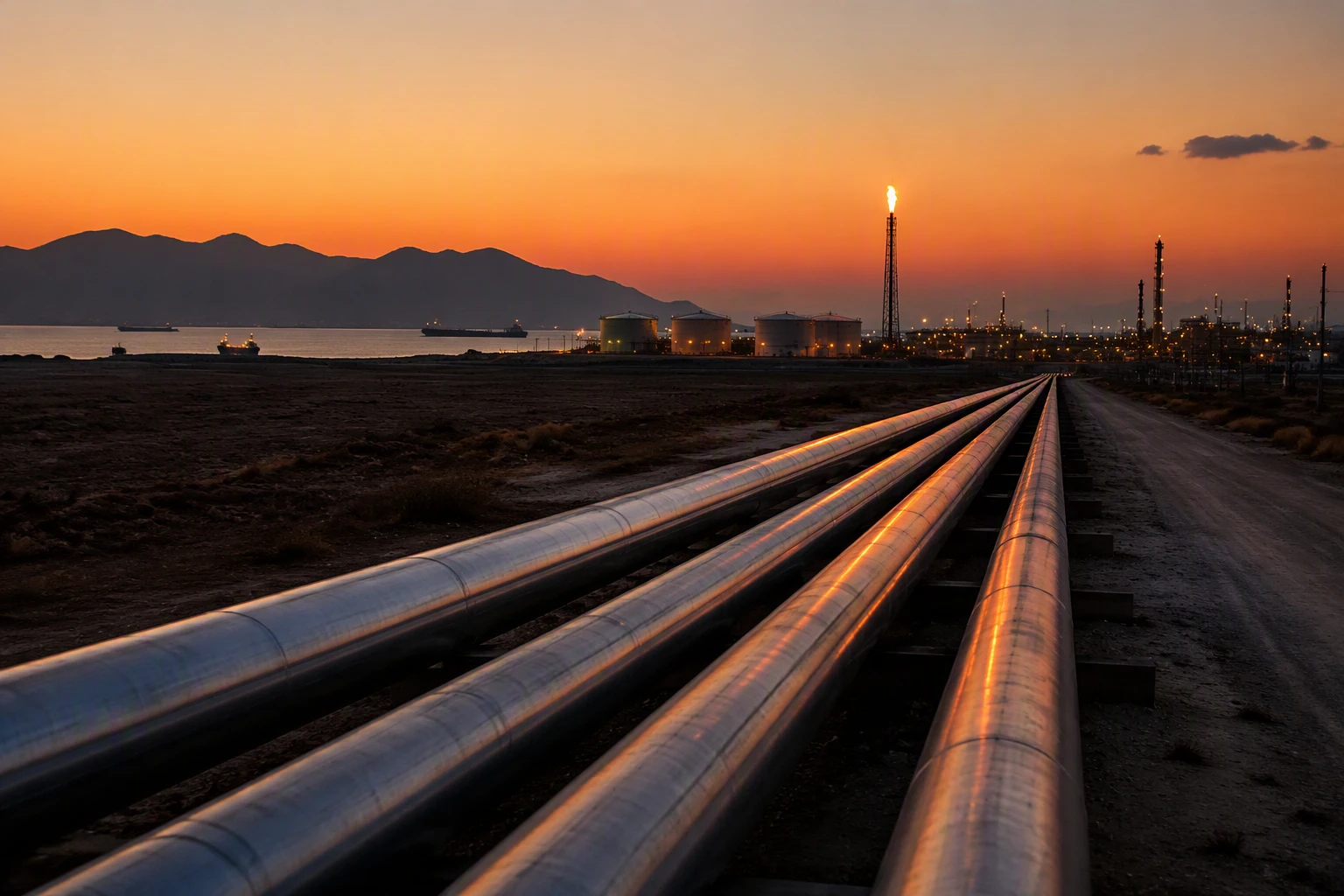
The flow figure gives the deal real market weight. Salim al-Rikabi, the Iraqi Oil Ministry spokesperson, said the agreement sets export capacity at 750,000 barrels a day, a level that makes the pipeline far more than a symbolic channel. Erdogan has said Turkey could receive up to 1 million barrels of oil a day under a wider energy deal, while some reporting has said Turkey has proposed extending the line to southern Iraq, a move that could raise capacity to 1.5 million barrels a day.
For Turkey, the pact reinforces Ceyhan’s role as a strategic gateway linking Middle Eastern crude to global buyers. For Iraq, it offers more export leverage beyond the Persian Gulf and a route less exposed to conflict, legal disputes and infrastructure shocks. The broader energy package now under discussion suggests the pipeline is being treated not just as a transport link, but as part of a larger negotiation over regional influence, trade and long-term supply security.
Sources
- [1]apnews.com
- [2]reuters.com
- [3]aljazeera.com
- [4]thenewregion.com
- [5]kurdistan24.net
- [6]thearabweekly.com
- [7]reutersconnect.com