World
Iraq's prime minister heads to Washington for oil, gas deals
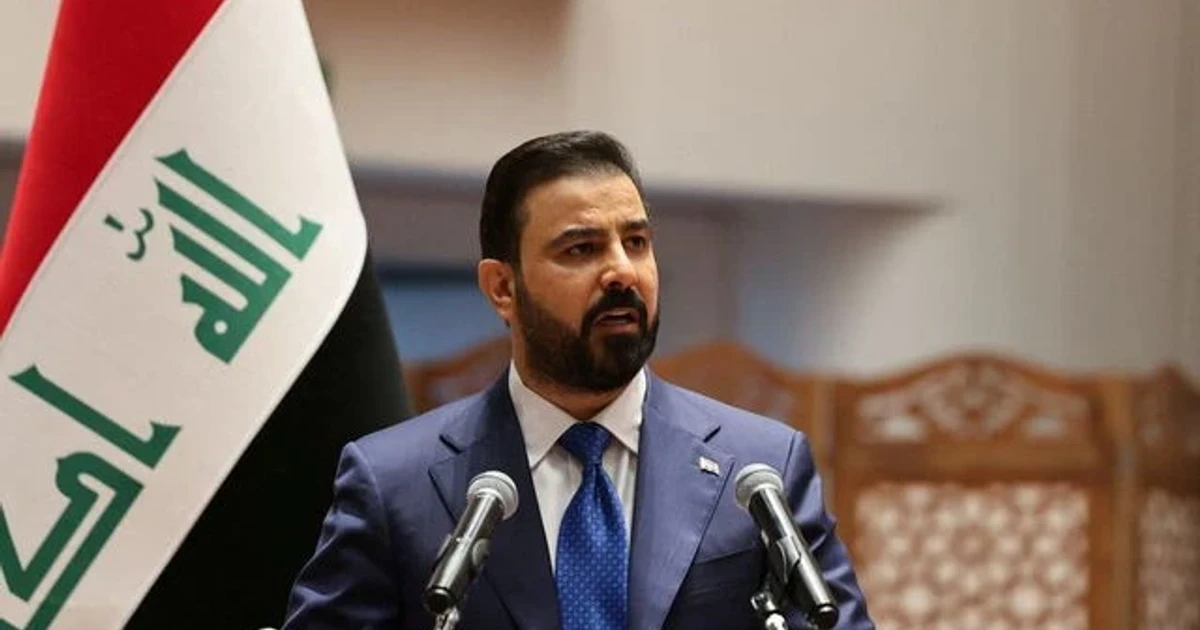
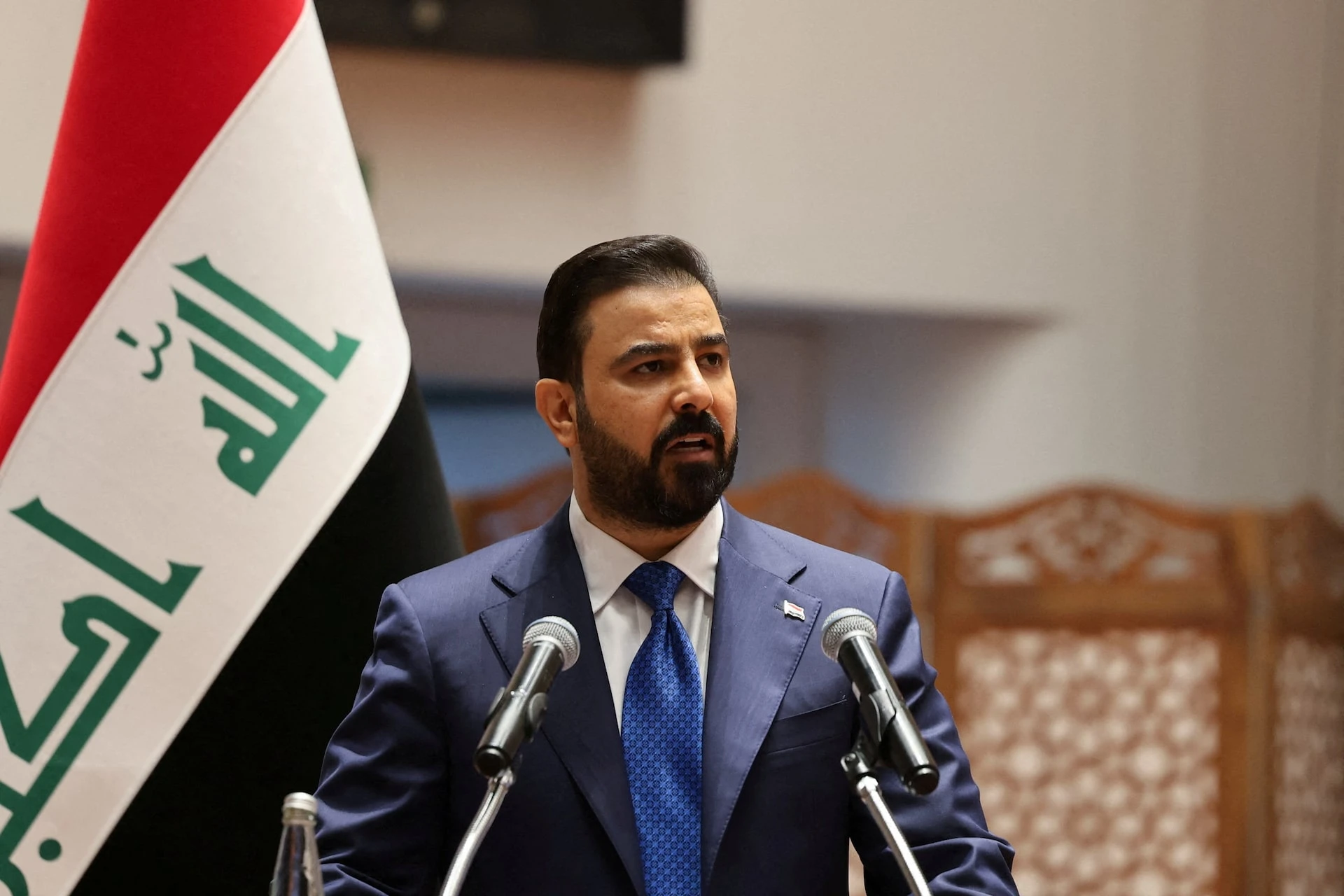
Iraq sent Prime Minister Ali al-Zaidi to Washington with oil and gas memoranda expected to anchor the visit, a trip that could pull more U.S. companies into Iraq’s energy sector while giving Baghdad another way to balance Iran and its neighbors. The talks also served as a test of whether Washington is shifting Iraq policy from a security-first posture toward one built more on investment, trade and production.
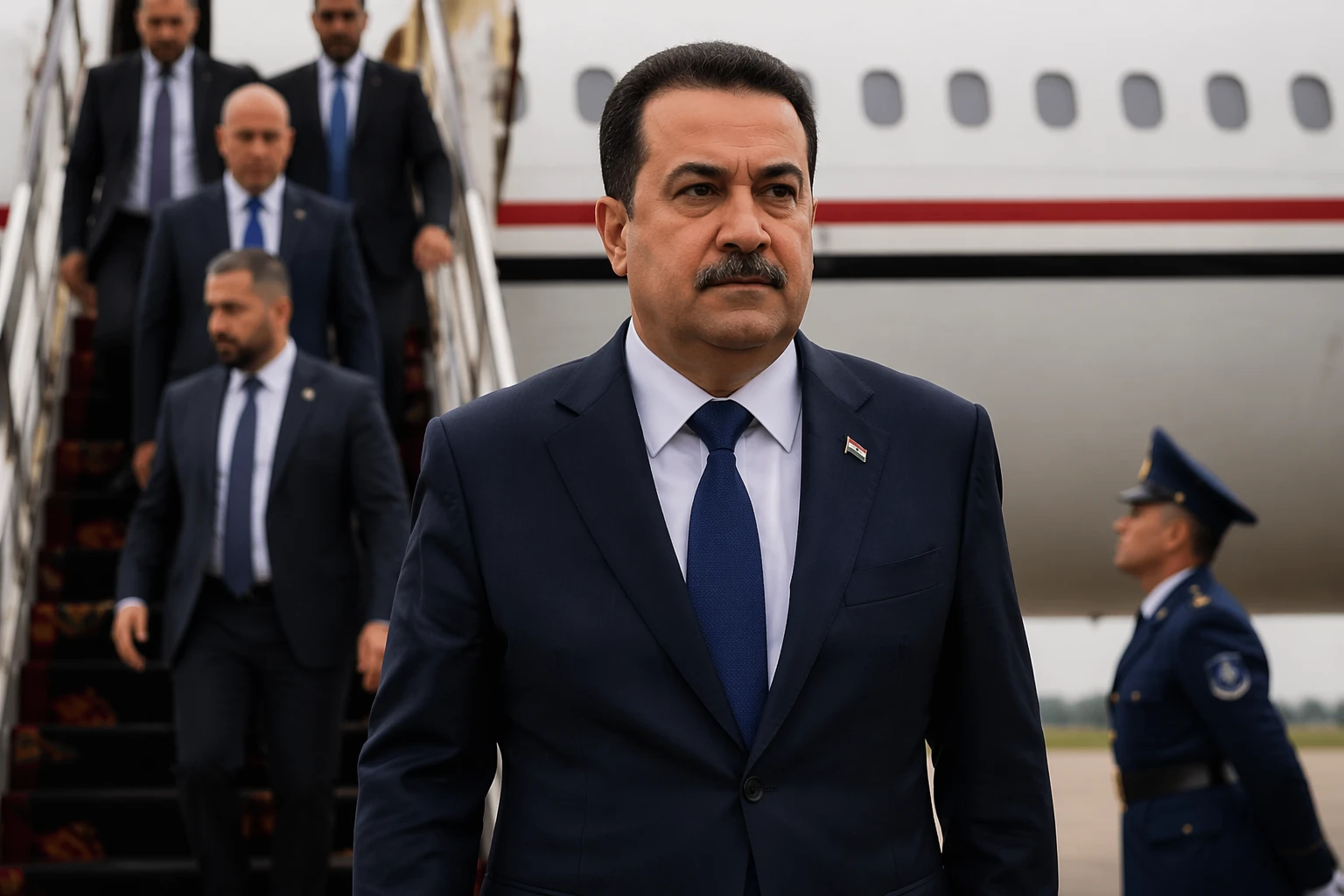
Government spokesman Haider al-Aboudi said al-Zaidi traveled with a high-level delegation and that the main theme of the visit was the economy. He said memoranda of understanding were expected in the oil and natural gas sectors to increase Iraq’s production capacity. The visit sat inside the 2008 Strategic Framework Agreement that still structures U.S.-Iraq cooperation. In a June 2026 joint statement, al-Zaidi and U.S. special presidential envoy Tom Barrack reaffirmed the partnership and discussed economic development, energy, security, regional stability, trade and investment. Barrack also said Donald Trump looked forward to receiving al-Zaidi at the White House in mid-July.
The commercial agenda was already visible before the Washington meetings. Iraq’s Cabinet approved two contracts on June 28 bringing Halliburton and HKN Energy into federal oil-field development, and a five-year Halliburton contract targets as much as 250,000 barrels per day of crude and 560 million standard cubic feet per day of associated gas from Nahr Bin Omar and Sindibad. The June statement also pointed to Chevron, HKN, Western Zagros, Hunt, TI Capital, Excelerate Energy and Starlink as part of a wider push to expand cooperation, while separate planning has included Chevron-linked work on export routes through Turkey and Syria, the return of U.S. firms with security guarantees, and a floating LNG import terminal at Khor al-Zubair with Excelerate Energy.
Energy security remained the strategic prize behind the diplomacy. One proposed route, the Kirkuk-Baniyas pipeline, runs about 850 kilometers and could eventually carry as much as 700,000 barrels per day, giving Iraq a way to diversify exports away from the Strait of Hormuz. Iraq remains one of the world’s largest oil producers and holds the fifth-largest proven crude reserves, yet U.S. imports of Iraqi crude have generally been only 150,000 to 250,000 barrels per day in recent years. With work slowed by the Iran war, Baghdad is pressing for security guarantees that would let U.S. firms return, expand and spend in fields that could shape Iraq’s energy future for years.
Sources
- [1]usnews.com
- [2]iraqoilreport.com
- [3]theepochtimes.com
- [4]iraq-businessnews.com
- [5]agbi.com