World
Ireland Reduces Motor Fuel Taxes Amid Widespread Protests
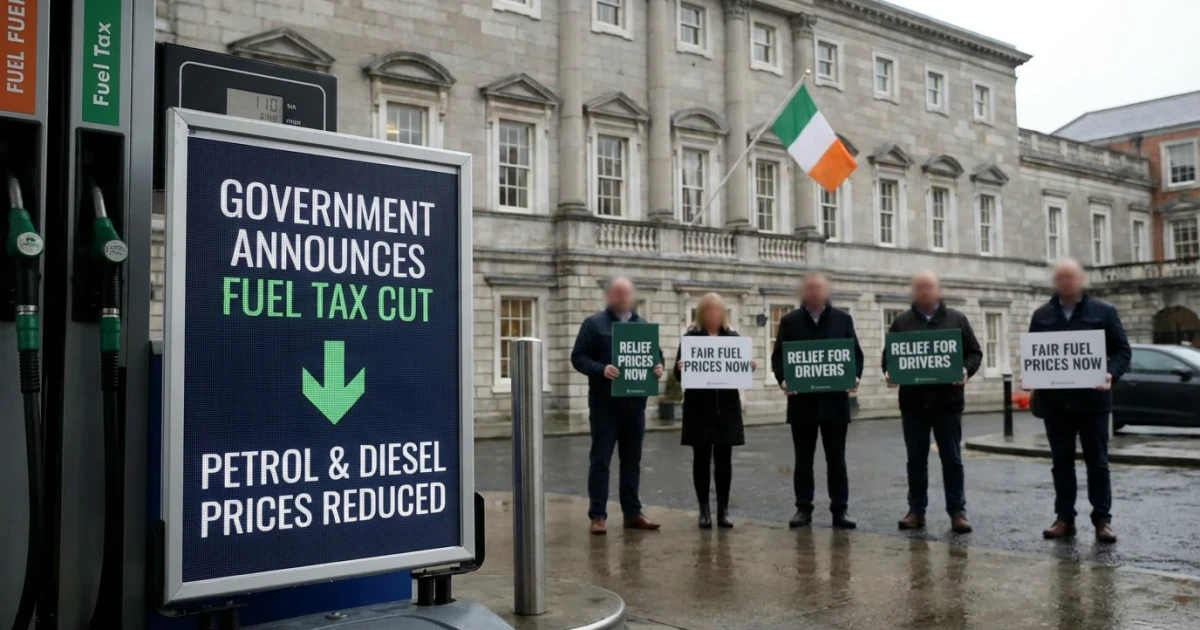
Ireland has moved to cut taxes on motor fuel following a wave of nationwide protests over soaring living costs, a decision officials say is designed to provide immediate relief to households and businesses facing steep energy bills.
Government Responds to Public Outcry
The announcement came after several days of intensified demonstrations across Irish cities and rural areas, where citizens voiced anger at surging petrol and diesel prices. Politico.eu and BBC both reported that police were deployed to clear major roads and restore order as protests disrupted daily life, highlighting the depth of public frustration.
Following these events, Irish Prime Minister Leo Varadkar unveiled a comprehensive package of €505 million in fuel-cost measures, with a key component being reductions in motor fuel excise duties. The move follows mounting pressure from both opposition parties and advocacy groups, who have argued that the burden of rising energy costs has become untenable for many Irish families.
Details of the Fuel Tax Cuts
The newly announced measures are enshrined in the Finance (No. 2) Bill 2024, which contains provisions to temporarily lower excise duties on petrol and diesel. According to the Revenue Commissioners' official rate tables, these reductions bring excise levels to their lowest point in several years, aiming to blunt the impact of record-high fuel prices at the pump.
- The excise duty on petrol and diesel is set to be cut by several cents per litre, providing immediate cost savings for drivers and transport operators.
- The government has pledged that these cuts will remain in effect for a defined period, subject to review as market conditions evolve.
The government’s cost of living supports page details the full range of assistance measures, including targeted payments for vulnerable households and expanded eligibility for energy credits.
Impact on Households and Economy
Recent data from Ireland’s Central Statistics Office (CSO) shows that motor fuel prices have climbed sharply over the past year, significantly contributing to overall inflation. The latest Consumer Price Index report confirms that energy costs remain a leading driver of household expenditure increases.
- Motor fuel price indices have reached multi-year highs, with petrol and diesel costs up by double digits compared to the previous year.
- Transport and logistics sectors have warned of knock-on effects on the price of goods and public services.
Political and Public Reactions
The decision to cut fuel taxes has drawn a mixed response. While many welcomed the relief, some critics argue that the measures should have been introduced sooner as cost pressures mounted throughout 2025 and early 2026. The Dáil Éireann debate on the issue featured calls for longer-term solutions, including investment in public transport and renewable energy to reduce reliance on imported fuels.
Advocacy organizations and opposition leaders have also emphasized the need for robust supports for low-income households, who are most vulnerable to energy price shocks. Meanwhile, business groups have expressed relief at the immediate cost savings, but remain cautious amid ongoing global market volatility.
Forward Outlook
With the tax cuts now in effect, Irish officials say they are closely monitoring fuel price trends and the broader economic impact. Policymakers have indicated that further interventions may be considered if inflationary pressures persist, while also stressing the importance of sustainable energy policies in the long run.
For consumers, the new excise reductions offer short-term relief at the pump. However, as global energy markets remain unpredictable, the Irish government faces continued challenges in balancing affordability, fiscal responsibility, and climate commitments.