World
Ireland Voices Concern Over Violence in Es-Semara
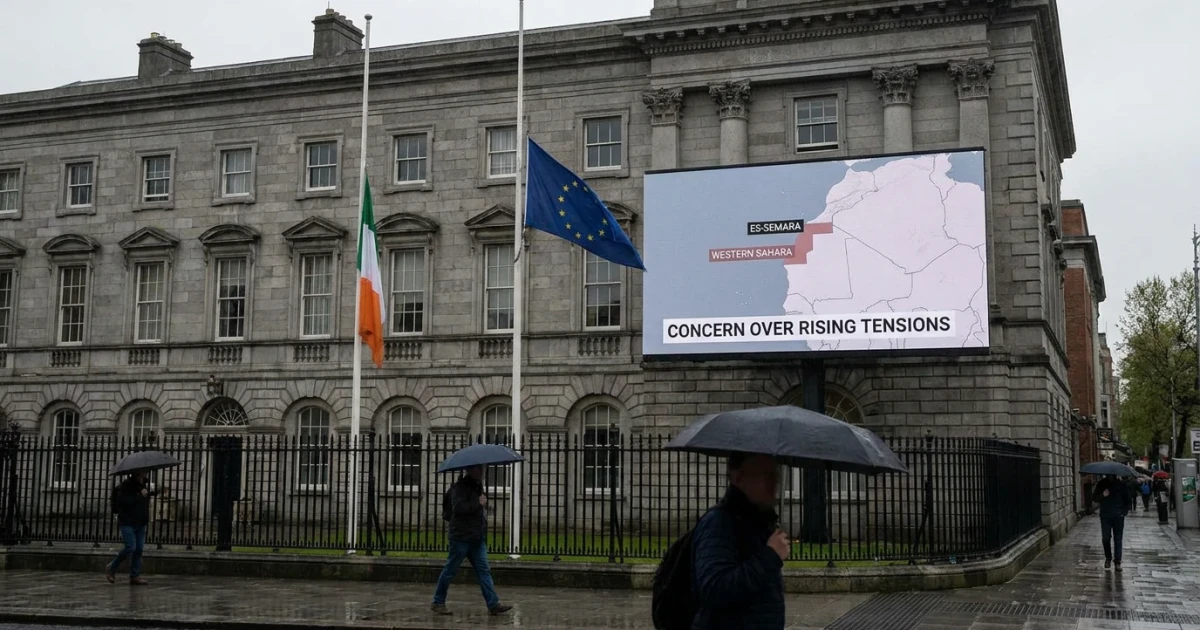
Ireland has joined a growing list of nations expressing concern following recent violent incidents attributed to the Polisario Front targeting the city of Es-Semara in the Western Sahara region. The statement from Ireland highlights mounting international scrutiny of the longstanding conflict between Morocco and the Polisario, a separatist movement seeking independence for Western Sahara.
Background on the Western Sahara Conflict
The Western Sahara region has been at the center of a protracted dispute since Spain withdrew in 1975. Morocco claims sovereignty over the territory, while the Polisario Front, backed by Algeria, continues to seek independence. The situation has resulted in a complex stalemate, with periodic escalations in violence and ongoing humanitarian concerns.
Recent Attacks in Es-Semara
According to reports from Morocco World News, Es-Semara—an urban center under Moroccan administration—was recently targeted by attacks attributed to the Polisario Front. The details of the incident remain under investigation, but the violence has drawn condemnation from several countries and international organizations.
- Es-Semara has seen prior security challenges, reflecting the region's broader instability.
- Attacks have raised fears for the safety of civilians and prompted calls for restraint from all sides.
International Response and Ireland’s Position
Ireland’s statement aligns with a broader pattern of global concern over the escalation of violence in Western Sahara. The Irish government emphasized the need for respect for international law and the protection of civilian populations. While Ireland has long supported the United Nations’ efforts to broker a political solution, its recent comments signal increased diplomatic attention to the latest incidents.
International organizations, including the UNHCR and OHCHR, have documented ongoing humanitarian concerns in the region, including displacement and access to basic services. Ireland’s intervention comes amid these wider challenges and reflects calls for renewed diplomatic engagement.
Complex Humanitarian and Security Implications
The humanitarian situation in Western Sahara remains precarious, with thousands of refugees and internally displaced persons dependent on aid. According to UNHCR data, the region faces persistent needs related to food security, shelter, and protection. Security incidents such as the attacks in Es-Semara complicate the delivery of assistance and threaten the stability of the region.
- Human rights organizations, including Amnesty International, have raised concerns about the risks to civilians and the need for impartial investigations into violence.
- The UN Security Council continues to monitor the situation and has previously called for restraint and dialogue.
Calls for Renewed Dialogue
The latest developments in Es-Semara underscore the unresolved nature of the Western Sahara conflict, which has seen repeated cycles of tension and fragile ceasefires. The international community, including the European Union and the African Union, has consistently advocated for a negotiated political solution under United Nations auspices. Ireland’s recent statement adds further pressure for all parties to return to dialogue and avoid actions that could escalate the conflict.
Looking Ahead
As the situation in Es-Semara evolves, observers stress the importance of sustained international engagement and humanitarian support. The events have highlighted the need for robust mechanisms to protect civilians and advance a peaceful resolution to one of North Africa’s longest-running disputes.