World
Irish town asks parents to delay smartphones for children until secondary school

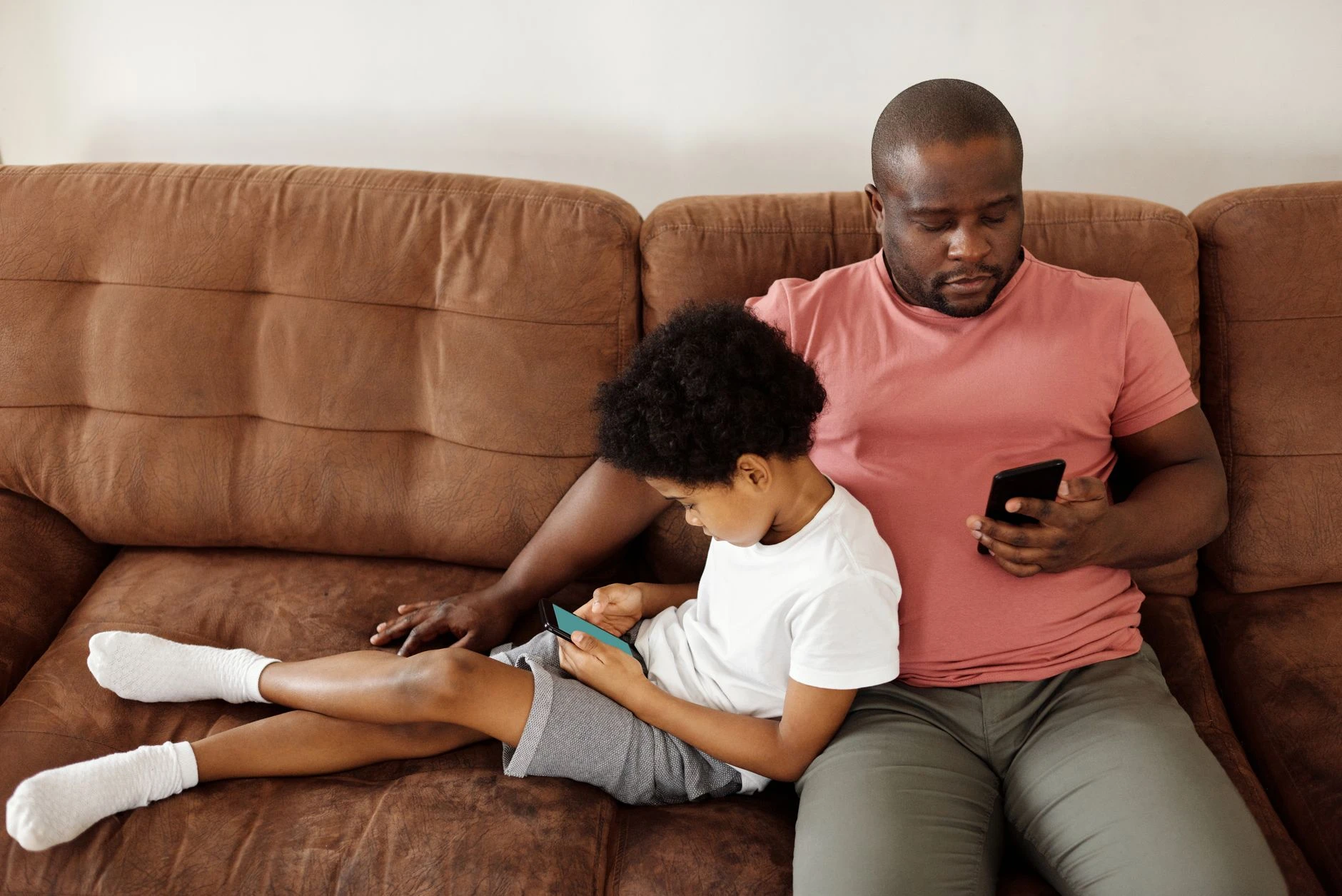
Parents across Greystones and nearby Delgany tried to solve a problem that individual households could not beat alone: the social pressure that begins when one child gets a smartphone and the rest feel they must follow. In 2023, parent associations in all eight primary schools agreed to a voluntary no-smartphone, or no smart device, code asking families to wait until children start secondary school, usually around ages 12 to 13.
The push grew out of rising concern among teachers and parents about anxiety in primary school children and early exposure to adult material online. Rachel Harper, principal of St Patrick’s National School, helped lead the effort through It Takes a Village, a community initiative built around positive wellbeing. The central idea was not a legal ban, but a shared norm: if most families hold the line together, children are less likely to be singled out for not having a phone.

That collective approach appears to be the code’s main strength. Reports say about 70% of parents across the eight schools signed up, enough to give the campaign real social weight even though it remained voluntary and not every family followed it. Supporters say that matters because peer pressure, bullying and online contact do not stay at the school gate. They can follow children home on devices, which is why parents and educators framed the code as a way to protect wellbeing rather than simply restrict access.
The effort also sat alongside existing phone and tablet rules in the schools, plus practical support for families. Play-therapy services and digital-literacy workshops were part of the wider response, reinforcing the message that the goal was to help children manage a digital world, not to exclude them from it. In that sense, Greystones and Delgany moved from a series of isolated family choices to a community-wide agreement backed by school principals and parent associations across County Wicklow.
That is what makes the model notable beyond Ireland. Its success depends on coordination: multiple schools, parent groups and principals agreeing on the same social standard. In communities where school feeder patterns are clear and parent associations carry influence, the approach could travel. Where families are more fragmented, the same pressure to conform may be harder to neutralize. Greystones has shown that the most effective screen-time rule may be the one nobody has to enforce alone.
Sources
- [1]cbsnews.com
- [2]rte.ie
- [3]greystonesguide.ie
- [4]stpns.ie
- [5]ittakesavillagegreystones-delgany.com
- [6]herfamily.ie
- [7]telegraph.co.uk