World
Islamic State attack on Raqqa headquarters kills Syrian security personnel

Islamic State militants struck a command headquarters in Raqqa with two suicide attackers, killing one Syrian security member and wounding three others in a sharp reminder that the group can still breach heavily guarded sites. Security forces killed one attacker and surrounded the second before he detonated an explosive vest, turning the assault into a close-quarters fight inside one of the city’s security hubs.
The Interior Ministry said the wounded were taken to hospitals after the attack, and security forces launched combing and pursuit operations in the surrounding area. In the chaotic aftermath, Syria’s state news agency initially said preliminary information suggested at least two ministry personnel had been killed, before the toll was clarified to one dead and three wounded.
The attack fits a broader Islamic State campaign that has gathered pace since February, when the group announced what it called a new phase of operations against Syria’s leadership. In that period, Islamic State claimed two attacks on Syrian army personnel in northern and eastern Syria, and a later June update described intensifying violence in Raqqa and Deir ez-Zor. One earlier assault near Raqqa in February killed four Syrian internal security personnel and wounded two others, showing that the city and its countryside have become a recurring target.
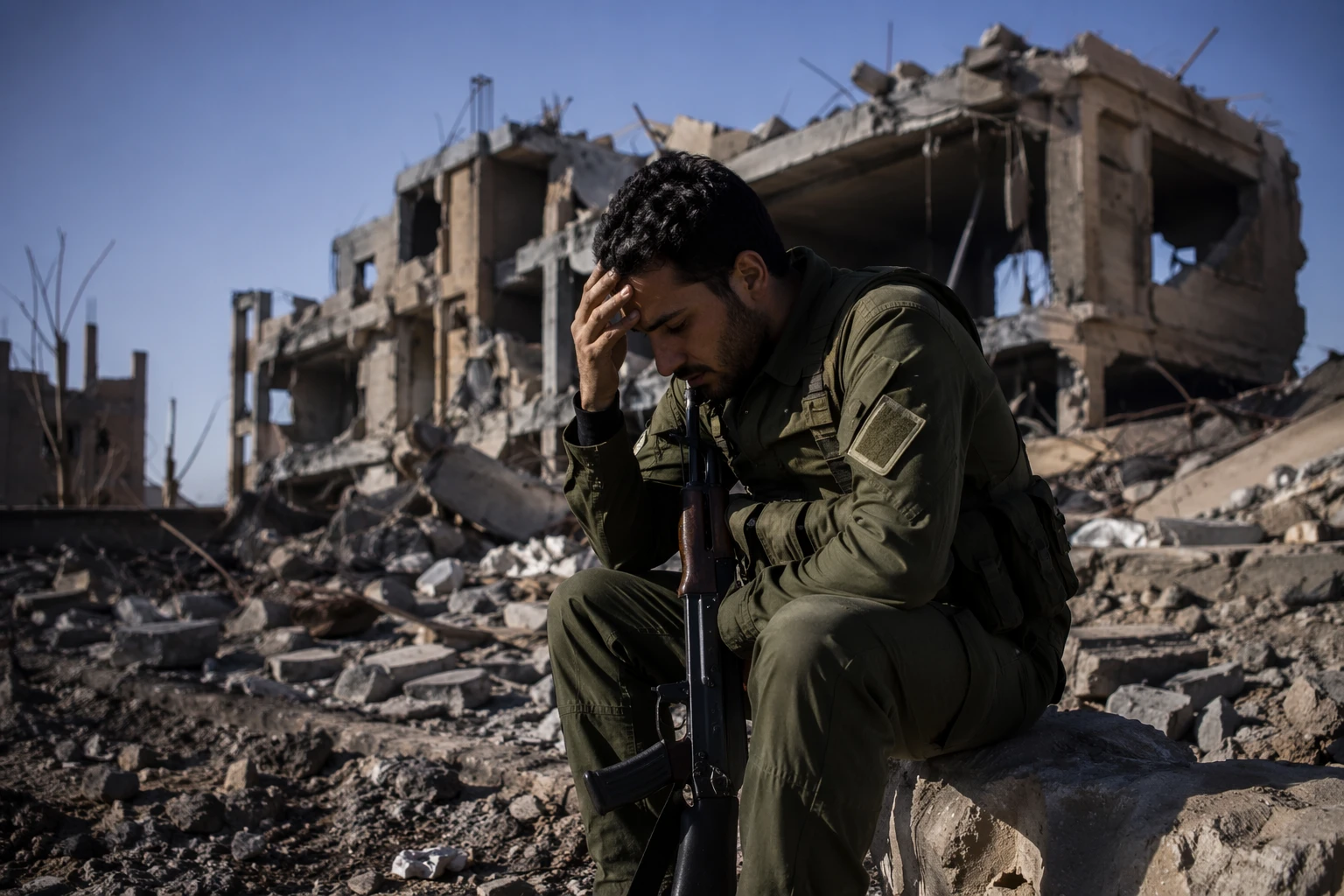
Raqqa carries special weight in that campaign because it was once the de facto capital of Islamic State’s self-declared caliphate. At its height, the group controlled roughly a quarter or more of Syria before being pushed back by the U.S.-led coalition and other foes. Even after losing territory, the latest attack showed that Islamic State still retains the ability to mount suicide operations against state institutions and probe the limits of local defenses.
The episode also exposed the fragility of postwar security in eastern Syria, where state forces, insurgents and competing armed groups continue to test the new government’s control. Syria joined the U.S.-led coalition against Islamic State last year, after Ahmed al-Sharaa, who later led the coalition that overthrew Bashar al-Assad at the end of 2024, had once fought the group when he led the al Qaeda-linked Nusra Front before breaking with al Qaeda in 2016.
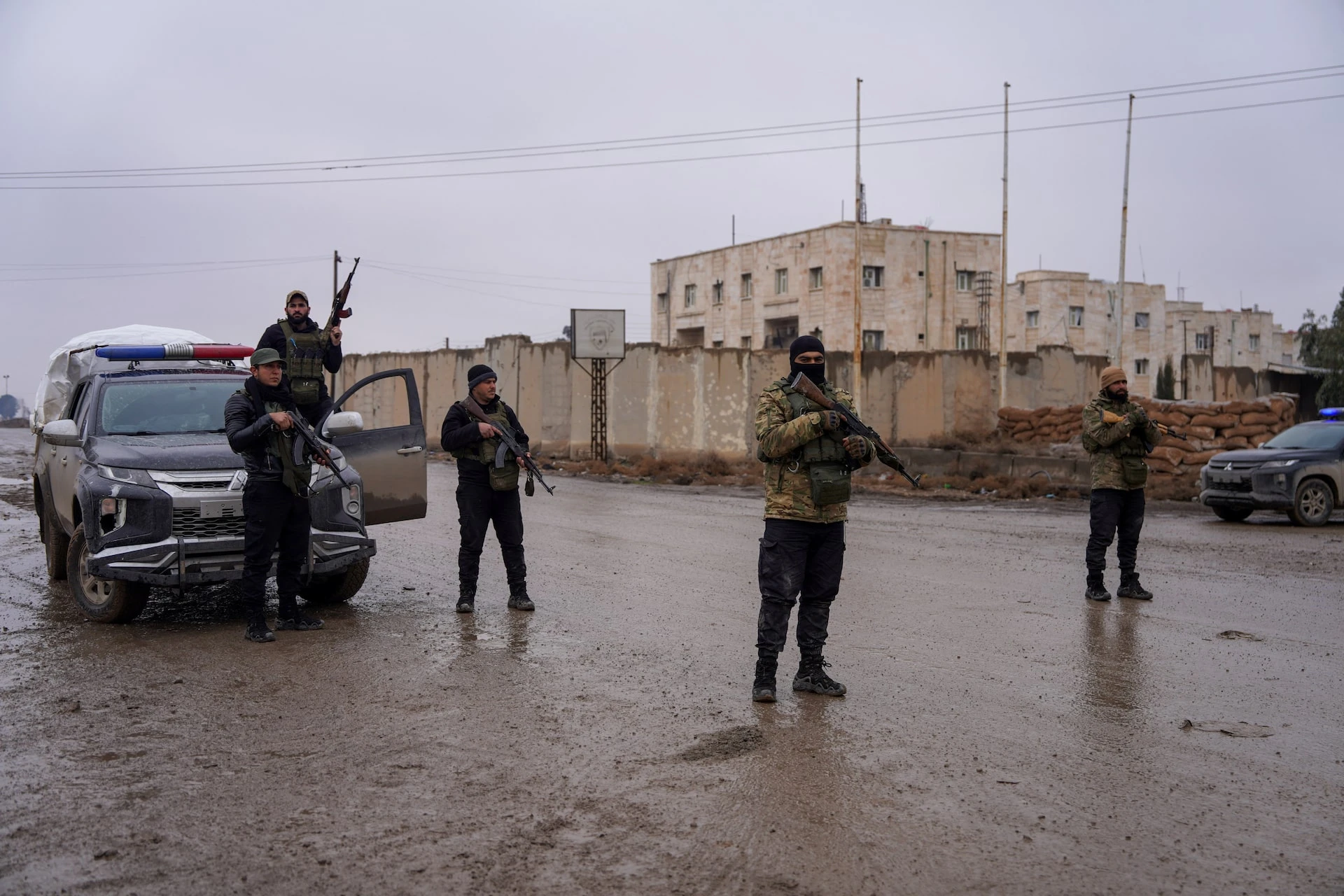
Islamic State’s February statement was delivered by its spokesman, Abu Hudhayfah al-Ansari, who used it to denounce Syria’s new leadership. In Raqqa, the message was delivered instead by explosives and gunfire: the group is no longer a territorial power, but it remains capable of targeting the institutions meant to replace it.
Sources
- [1]usnews.com
- [2]sana.sy
- [3]longwarjournal.org
- [4]npasyria.com
- [5]arabnews.com