Technology
ispace launches moon ride-share cargo service with SpaceX Starship
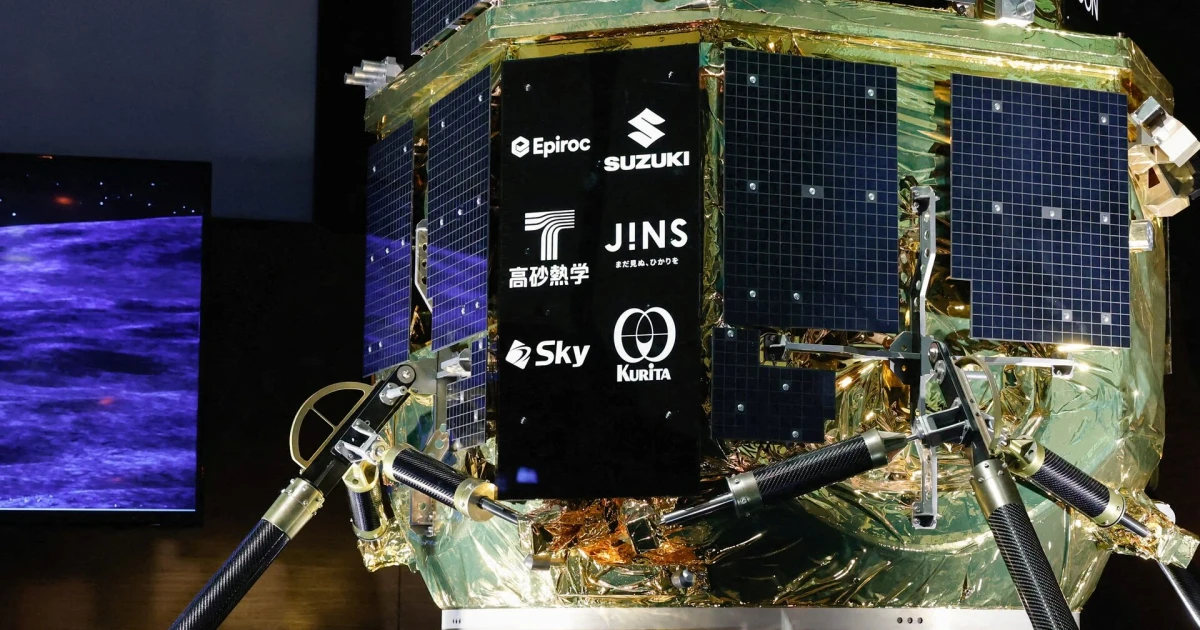
The Tokyo-based company has bought 500 kilograms of capacity for $50 million on a Starship mission expected to reach the lunar surface as soon as 2030. ispace is building a lower-cost lunar cargo service around SpaceX’s Starship, creating a ride-share model for smaller payloads bound for the Moon.
The company plans to build a lunar surface vehicle that can carry payloads from customers around the world on the ride to the Moon. The service is a “lunar access integrator,” with dedicated landers acting as “taxis,” alongside its own lander business. ispace’s broader business is to provide low-cost and frequent transportation to and on the Moon, with work spanning surface exploration, resource mapping, processing and delivery in cislunar space.
The commercial push comes after two unsuccessful lunar touchdown attempts in 2023 and 2025. After the June 6, 2025 hard landing of RESILIENCE on HAKUTO-R Mission 2, ispace completed a technical cause analysis on June 24, 2025 and an external review task force delivered recommendations in March 2026. The technical cause analysis traced the failure to an anomaly in the Laser Range Finder, and the fallout could add about 1.5 billion yen in development costs.
Even with those setbacks, ispace is still aiming to soft-land three Ultra landers by 2030, including one mission tied to NASA’s Commercial Lunar Payload Services program. On March 27, 2026, the company announced a new ULTRA lunar lander that combines Japanese and U.S. lander models.
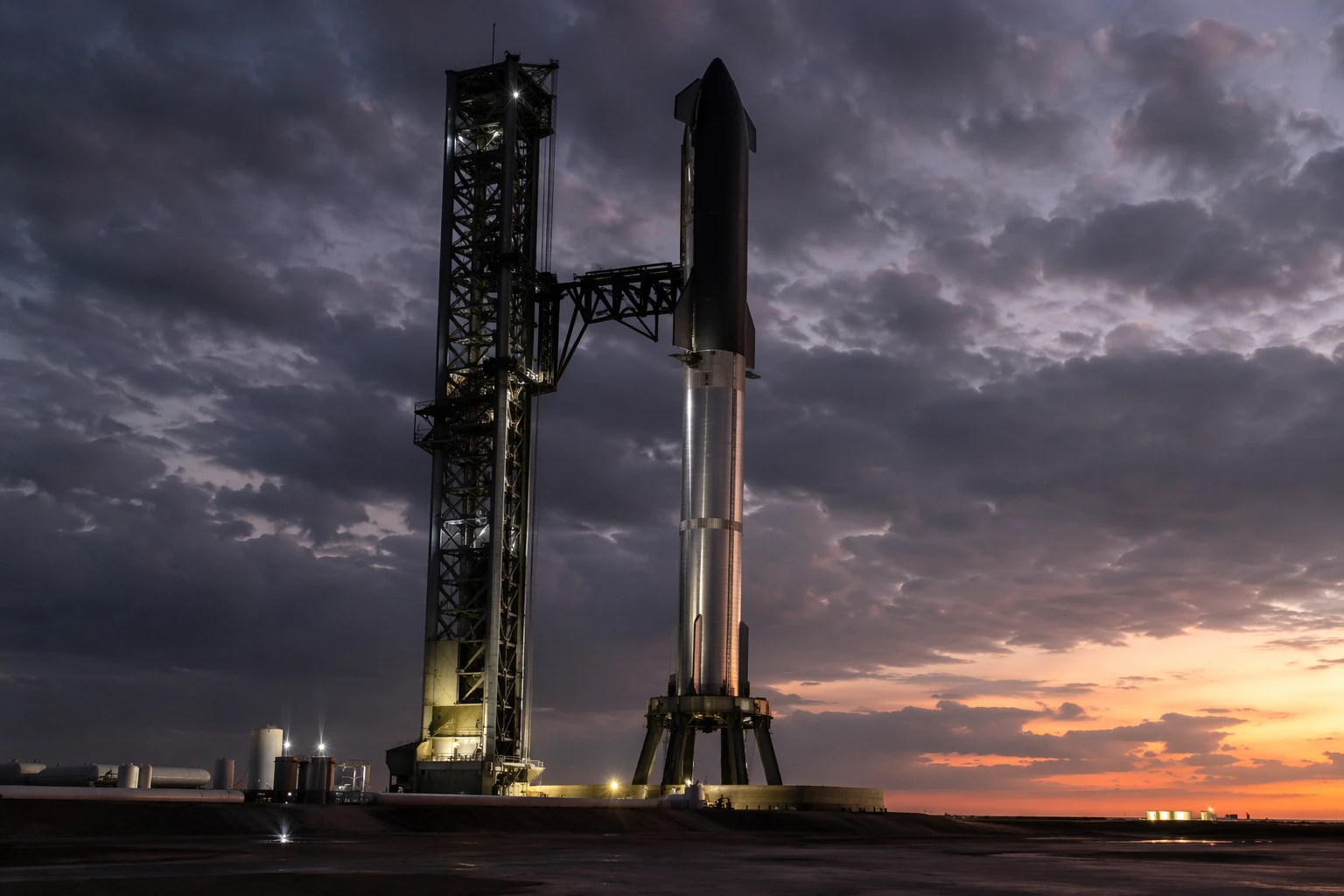
Starship cargo flights to the lunar surface for research, development and exploratory missions are planned no earlier than 2028, at a rate of $100 million per metric ton. NASA is developing Starship Human Landing System for Artemis III and Artemis IV to carry astronauts from lunar orbit to the Moon’s surface and back. Starship is a fully reusable system for Earth orbit, the Moon, Mars and beyond, with more than 100 metric tonnes to orbit.
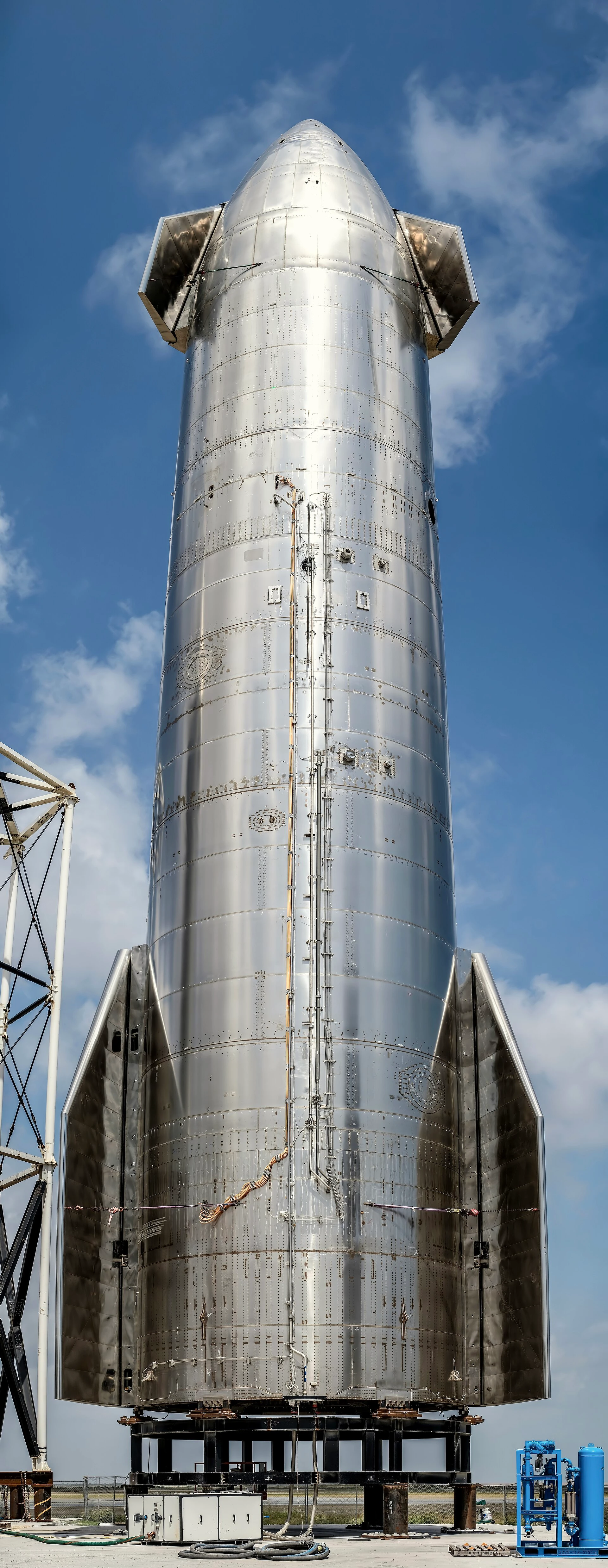
NASA plans to use Starship’s first lunar landing in 2028 as part of Artemis, and Astrolab has already booked space on a future Starship mission.
Sources
- [1]money.usnews.com
- [2]finance.yahoo.com
- [3]spacex.com
- [4]nasa.gov
- [5]ispace-inc.com