World
Israel Adjusts Approach on Hezbollah Amid Lebanon Tensions
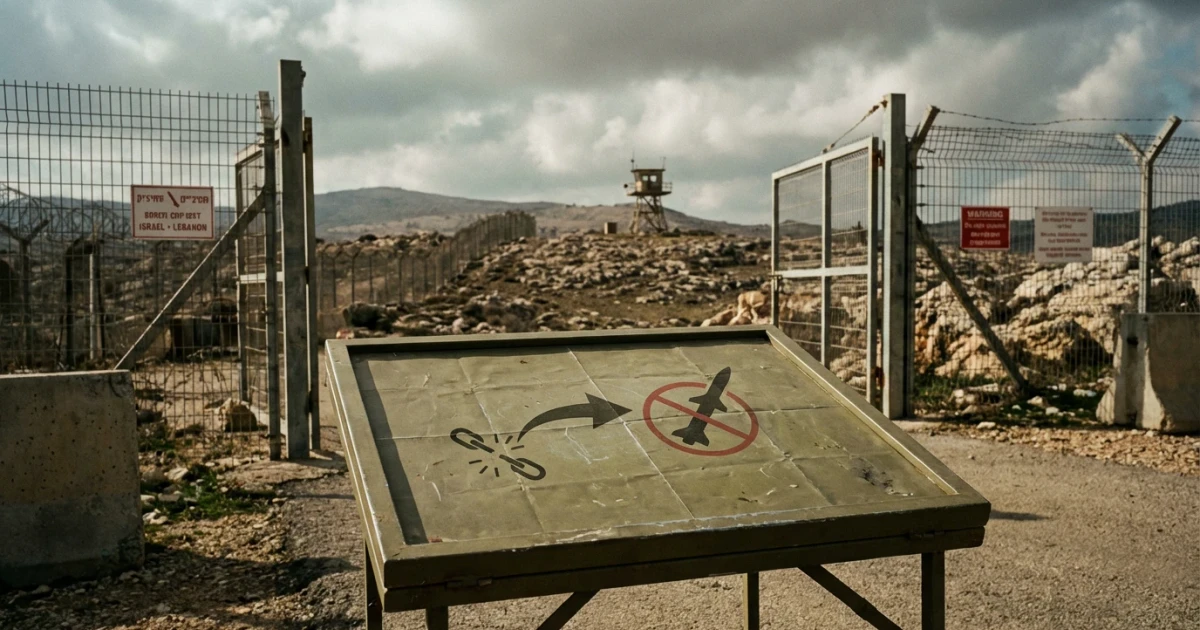
Israel’s military has acknowledged that fully disarming Hezbollah is not a practical objective for its current operations in southern Lebanon, signaling a notable shift in strategy as cross-border hostilities persist.
Disarmament No Longer a Stated Goal
An official from the Israel Defense Forces (IDF) stated that the aim of ongoing operations near the Lebanese border is not the complete disarmament of Hezbollah. The Times of Israel reported that senior military voices now view the prospect of removing all weaponry from the Iran-backed militant group as unrealistic, given both Hezbollah’s deep integration into Lebanese society and the group’s substantial arsenal.
- Hezbollah is estimated to possess tens of thousands of rockets and advanced munitions, with some analysts citing figures as high as 150,000 missiles and projectiles.
- The group's military capabilities have grown considerably since the 2006 conflict with Israel, according to data compiled by Tel Aviv University’s Armed Conflict Database.
The IDF’s revised stance stands in contrast to the terms set out by UN Security Council Resolution 1701, which called for the disarmament of all armed groups in Lebanon except the Lebanese state’s official forces. Israeli officials now indicate that enforcing this resolution’s disarmament clause is beyond the scope of current military realities.
Strategic Focus on Border Security
Instead, Israeli operations emphasize pushing Hezbollah forces away from the border and reducing the group’s ability to threaten northern Israeli communities. The IDF’s efforts reportedly involve targeted strikes, intelligence operations, and coordination with United Nations peacekeepers from the United Nations Interim Force in Lebanon (UNIFIL). The aim is to create a buffer zone, limiting immediate threats and restoring a measure of security for residents on both sides of the border.
- According to official UNIFIL mandate documents, the peacekeeping force is tasked with monitoring the cessation of hostilities and supporting the Lebanese Armed Forces in southern Lebanon.
- Despite these efforts, regular exchanges of fire and escalating rhetoric have kept the region on edge throughout 2026.
Complex Realities and International Responses
The Times of Israel notes that many in the Israeli security establishment recognize the complexity of Hezbollah’s position within Lebanon. The group is not only a powerful militia but also a significant political actor, with representation in parliament and deep roots in local communities. This intertwining of military and civilian spheres makes any attempt at wholesale disarmament fraught with risks of wider escalation and potential humanitarian fallout, as outlined in recent UN human rights reports.
Meanwhile, international actors continue to call for restraint and adherence to established ceasefire agreements. However, enforcement remains a challenge amid ongoing provocations and the practical limits of peacekeeping deployments.
Looking Ahead
With the IDF clarifying that full disarmament is no longer a goal, attention is likely to remain on containment and de-escalation. The situation along the Israel-Lebanon border remains dynamic, shaped by both immediate security challenges and the broader geopolitical contest involving Iran, Syria, and Western actors. The evolving Israeli approach reflects a pragmatic assessment of on-the-ground realities, focusing on risk reduction rather than unattainable objectives.