World
Israel and Hezbollah hold tense cease-fire as talks continue
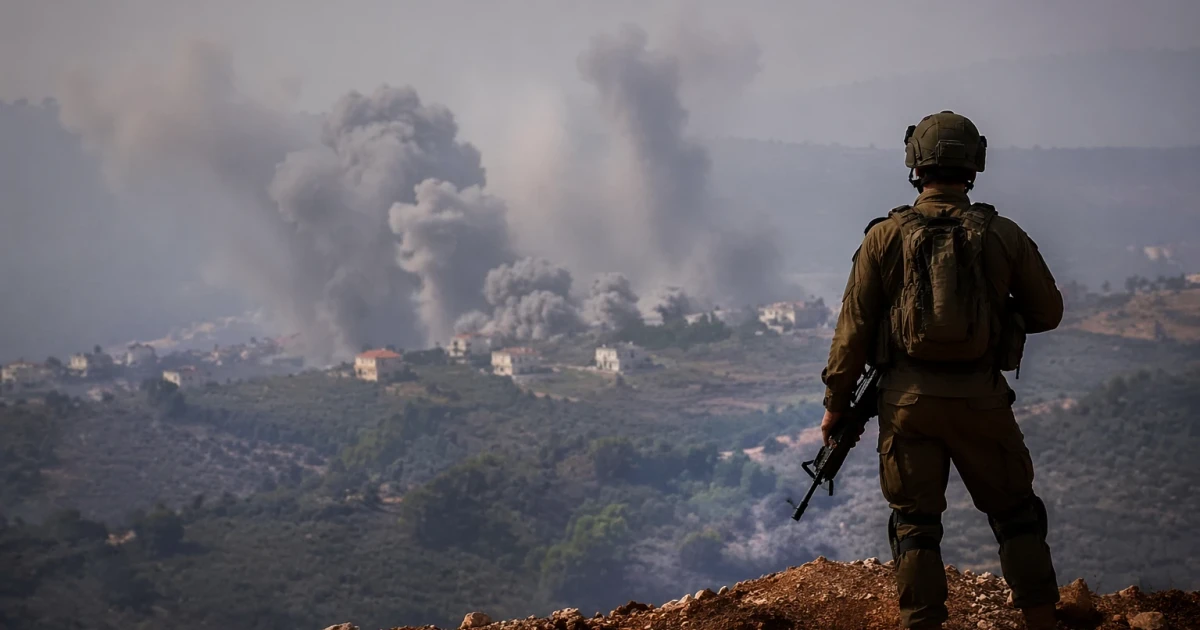
Israel’s military has moved under new orders that confine its forces in Lebanon to defensive actions, a narrowing of the battlefield posture that changes how quickly commanders can answer any fresh Hezbollah move. The cease-fire held for a second day, but the arrangement remained one miscalculation from collapse because it rests on a fragile bargain: no Hezbollah fire, no Hezbollah operatives in the South Litani Sector, and Lebanese Armed Forces control in designated pilot zones.
The truce emerged from a U.S.-led diplomatic push that gathered Israeli and Lebanese representatives for the fourth high-level trilateral meeting on June 2 and 3, 2026. The United States said the cease-fire depended on a complete cessation of Hizbollah fire and the evacuation of all Hizbollah operatives from the South Litani Sector, while also calling for direct Israeli-Lebanese negotiations to continue toward a broader peace and security deal. Qatar joined Washington in brokering the latest arrangement through talks that also reflected Iran’s influence over Hezbollah.
Even as the cease-fire took hold, the military balance on the ground stayed volatile. Lebanese authorities said at least 47 people were killed and 97 wounded in Israeli strikes in Lebanon since midnight on June 19, while Israel said four of its soldiers were killed in southern Lebanon during the flare-up. Reuters and other outlets said the cease-fire was set to begin at 4 p.m. local time on June 19, and Lebanese President Joseph Aoun said it would come into force within 24 hours of approval by all concerned parties.
Israel signaled how limited its trust in the deal remained when it published a map on June 18 showing an expanded military control zone in southern Lebanon. Israeli officials said they would not rule out attacks beyond that zone, underscoring that the cease-fire did not amount to a full withdrawal or a fixed peace line. The new defensive-only orders appear intended to reduce the risk of a wider clash, but they also leave open the possibility of rapid retaliation if the border heats up again.
The latest halt in fighting followed the collapse of an earlier April 16 cease-fire arrangement that critics said failed to stop Israeli attacks or Israel’s occupation of parts of southern Lebanon. By early June, more than 600 people had reportedly been killed in Israeli strikes across Lebanon, and Israel was said to be occupying about one-fifth of the country. Hezbollah leader Naim Qassem dismissed the U.S.-backed framework as a “surrender and defeat,” a warning that the cease-fire may survive only as long as both sides see restraint as less costly than escalation.
Sources
- [1]nytimes.com
- [2]state.gov
- [3]timesofisrael.com
- [4]aljazeera.com
- [5]usnews.com