World
Israel and Hezbollah keep firing despite US-brokered ceasefire
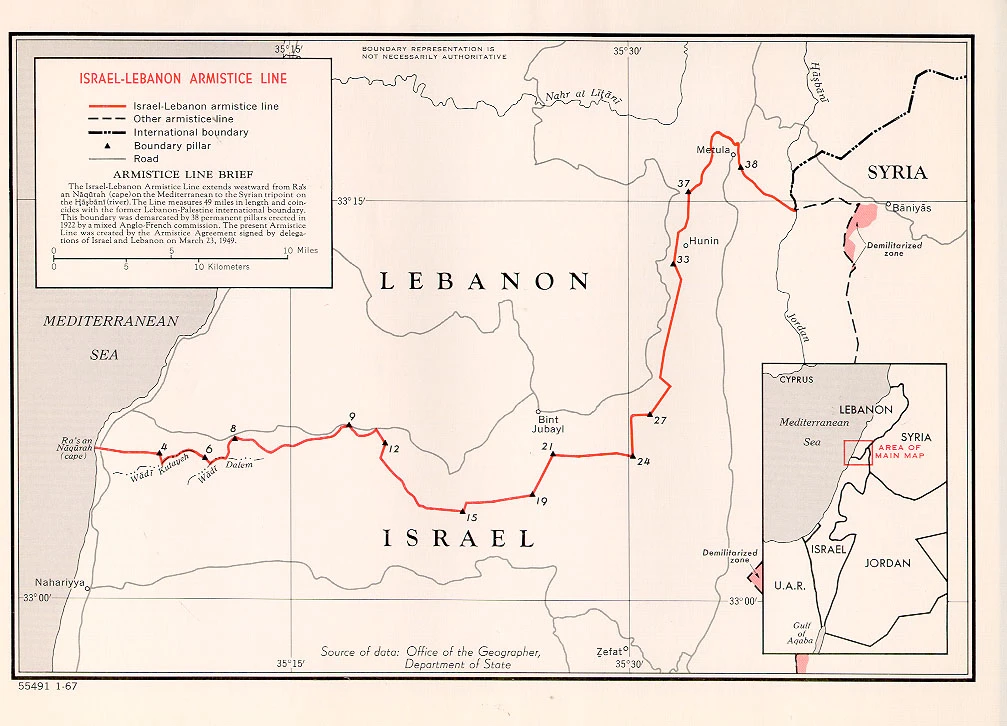
The ceasefire meant to calm the Israel-Hezbollah frontier was tested almost immediately by fresh strikes, civilian deaths and the killing of a U.N. peacekeeper in southern Lebanon. Israeli attacks continued after the June 2-3 U.S.-brokered trilateral meeting that formalized a deal tied to a complete halt in Hezbollah fire and the removal of Hezbollah operatives from the South Litani Sector. The violence has turned the truce into a credibility test for Washington’s diplomacy and a warning sign for a wider regional war.
The agreement, reached by the United States, Lebanon and Israel, also called for pilot zones where the Lebanese Armed Forces would take exclusive control. The U.S. State Department said the arrangement was intended to open the way toward a comprehensive peace and security agreement, but the fighting that followed showed how fragile that plan remained on the ground.
Hezbollah moved quickly to reject the latest ceasefire on June 4, demanding a complete Israeli withdrawal from Lebanon. Hezbollah leader Naim Kassem called the negotiations “absurd, humiliating and insulting,” underscoring that the group saw the terms as falling far short of its demands.
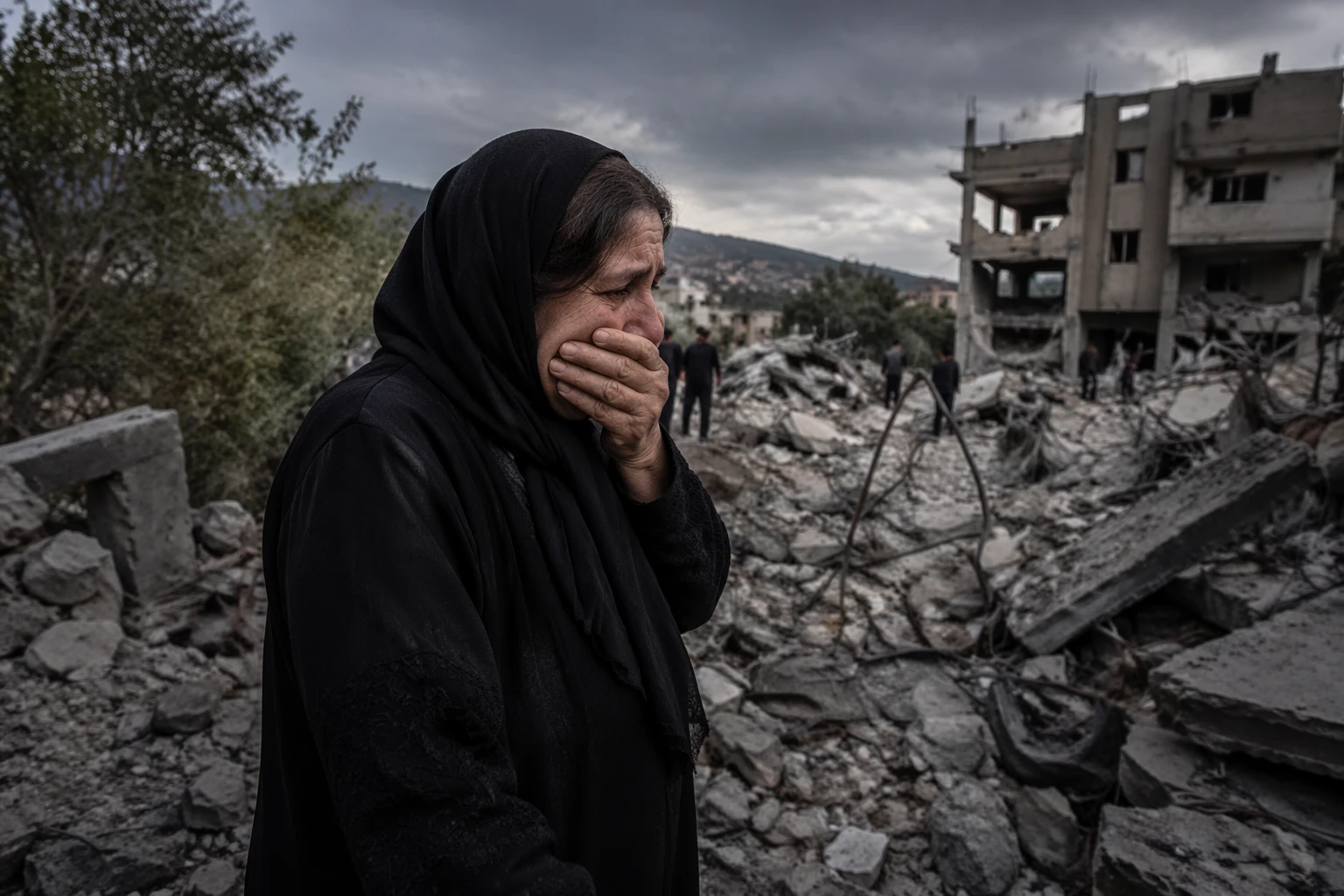
The human toll has been immediate and unevenly reported, reflecting how fast the situation shifted across Lebanon. Local authorities said Israeli strikes killed at least four people after the truce announcement, while other accounts put the death toll at 8, 10, 12, 16 or 17 in separate incidents over the week. One of the dead was Sgt. Milovan Jovanovic of Serbia, a U.N. peacekeeper with UNIFIL, who was killed near Marjayoun on June 4, while two other peacekeepers were wounded.
The wider pattern has been even more severe. Reporting later in the month said strikes in southern Lebanon killed at least seven people, including two children, hours after a ceasefire report. Separate accounts said Israeli strikes in eastern Lebanon and near Tyre killed eight people, adding to fears that the fighting was no longer a brief violation but part of a broader collapse in restraint.
That matters far beyond Lebanon. The ceasefire was meant to create space for U.S. diplomacy on a front already linked to Iran and to lower the risk of a regional war. Instead, the renewed fire has complicated those talks and raised the question of whether the announced truce can survive contact with the battlefield.
The conflict has already exacted a steep price. By mid-April, reporting described the broader Lebanon war as having killed more than 2,000 people and displaced over one million. An April attack that included exploding pagers across Lebanon killed 12 people, including two children, and wounded more than 3,000, a reminder of how quickly the violence has spread from military targets to civilians, aid workers and entire communities.
Sources
- [1]news.google.com
- [2]state.gov
- [3]usnews.com
- [4]france24.com
- [5]npr.org
- [6]apnews.com