World
Israel and Lebanon sign US-backed framework for southern border peace
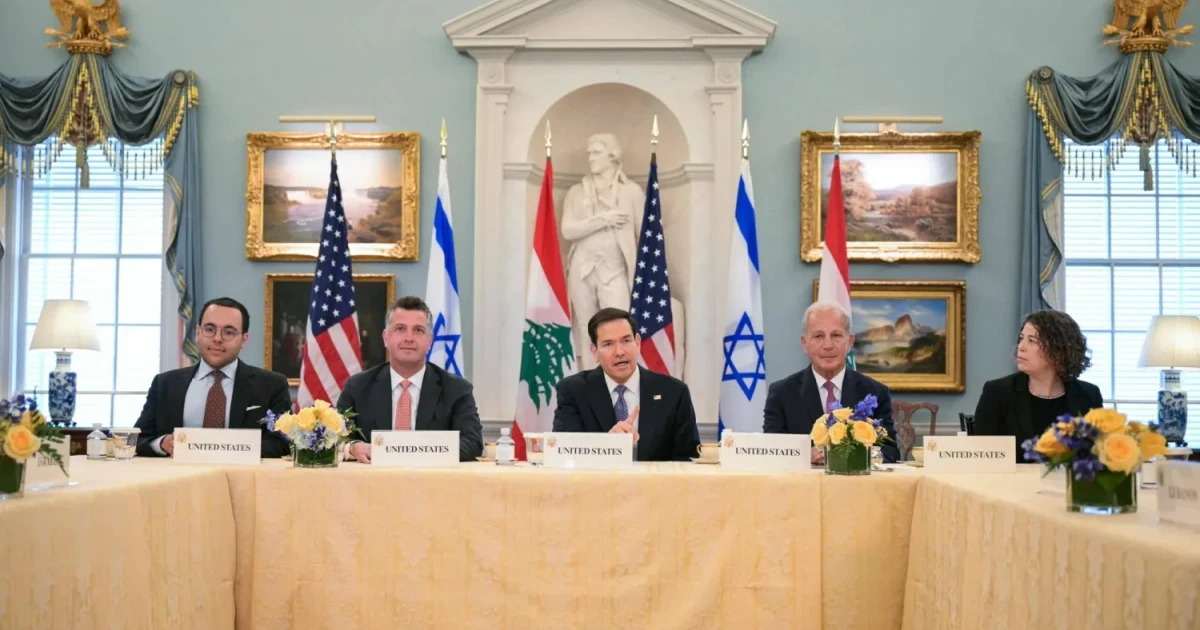
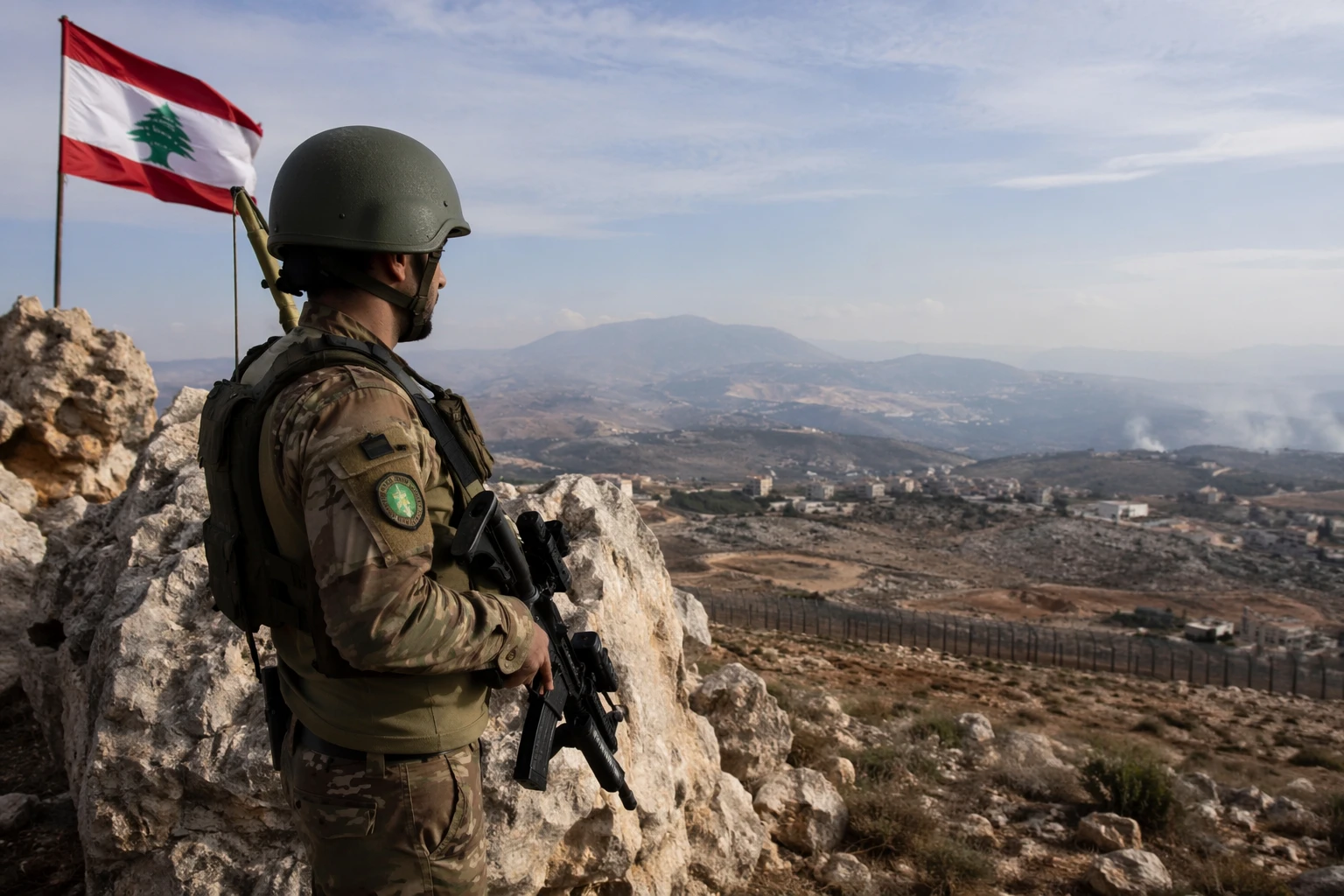
Two pilot areas in southern Lebanon on opposite sides of the Litani River will be handed to the Lebanese military under a U.S.-backed framework Israel and Lebanon signed in Washington on Friday. The agreement covers two zones inside a buffer zone in southern Lebanon roughly six miles long.
The arrangement came after four days of talks in Washington and marked the fifth round of U.S.-mediated negotiations between the two countries, which began in April 2026. Secretary of State Marco Rubio stood with Israel’s ambassador to the United States, Yechiel Leiter, and Lebanon’s ambassador, Nada Hamadeh, as the framework was announced. Rubio said the deal was only “the beginning of the beginning” of negotiations.
The language of the agreement was narrow and conditional rather than final. The U.S. military will help monitor deployments and verify that Hezbollah fighters are not present in the designated zones. The areas slated for transfer had already been cleared of Hezbollah infrastructure by the Israel Defense Forces, and Leiter said the arrangement was “performance based,” with no fixed timetable for further withdrawals. Israel will keep its buffer zone until the Lebanese Armed Forces show they can dismantle Hezbollah and take responsibility for security, he said.
Hamadeh called the framework “a first step on the road to restoring Lebanese sovereignty and territorial integrity,” and said it could help secure a permanent and final cessation of hostilities and allow displaced people to return. Benjamin Netanyahu said the framework would eventually allow Lebanese forces to take control of territory from Israel’s military.
Hezbollah was not included in the talks, even though it has been central to the fighting. Hezbollah officials warned the deal could trigger civil war if imposed without the group’s consent, and Hezbollah lawmakers said they would resist any arrangement that did not require a complete Israeli withdrawal.
The deal followed a June 4 ceasefire-related agreement that renewed a fragile truce and created pilot security zones south of the Litani River, but the fighting had continued. It was also negotiated separately from a parallel U.S.-Iran understanding that set a 60-day window for talks on nuclear issues.
Sources
- [1]nytimes.com
- [2]politico.com
- [3]telegraph.co.uk
- [4]timesofisrael.com