World
Israel and Lebanon trade strikes as U.S.-Iran deal faces pressure
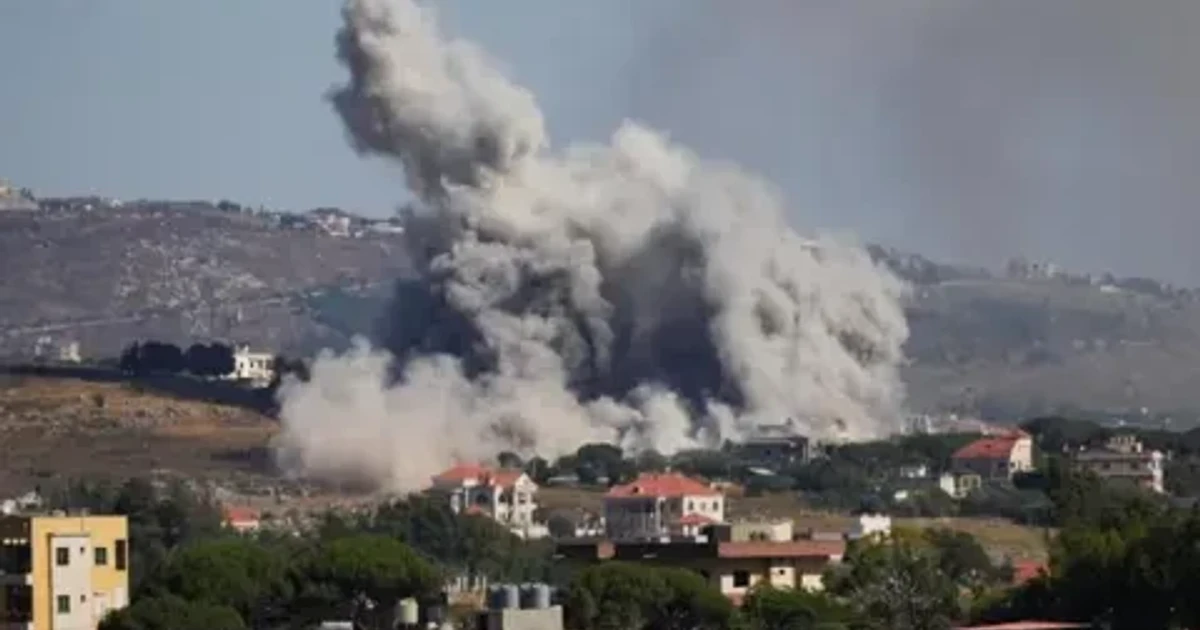
Fresh strikes in Lebanon have turned a ceasefire into a stress test for a broader round of crisis diplomacy. Israeli attacks killed at least 15 people on Friday and at least 10 on Saturday, while Lebanese state media said the strikes hit towns in southern Lebanon and the Bekaa Valley, only hours after a ceasefire with Hezbollah took effect.
The violence landed just days after the United States and Iran reached a preliminary agreement on June 15 to end their war and reopen the Strait of Hormuz, a corridor central to global energy flows. That deal was already under pressure from renewed fighting in Lebanon and lingering uncertainty over Tehran’s nuclear program, making the border clashes more than a local flare-up. Any delay in stabilizing the Gulf route keeps shipping risk and energy uncertainty elevated.
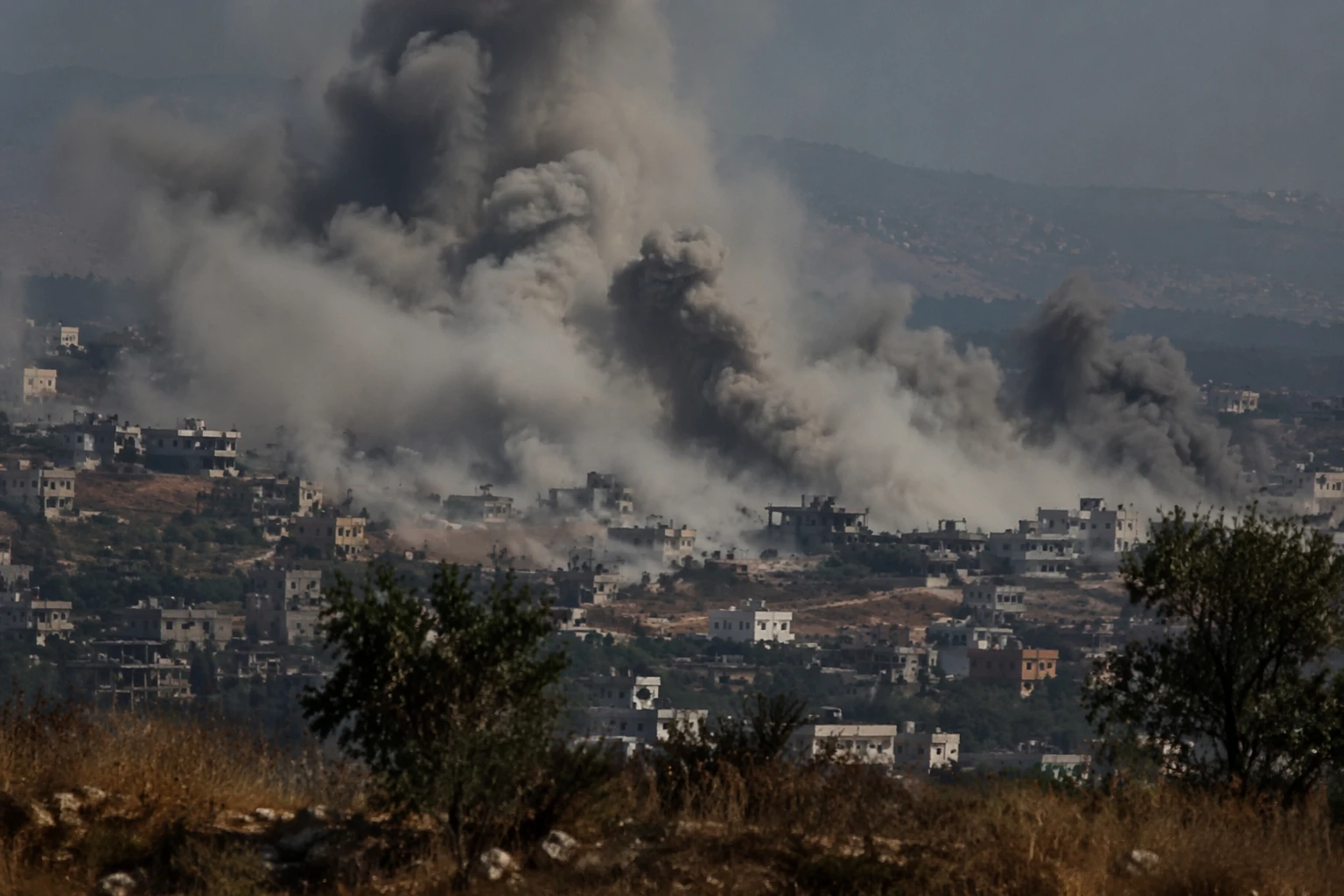
The pattern is familiar: each pause in one conflict is tested by another. A ceasefire that exists on paper but not on the ground weakens confidence in the wider diplomatic framework, especially when the Strait of Hormuz remains a strategic flashpoint and the Iran agreement is still only preliminary. For governments trying to contain risk, every new strike raises the cost of proving that a political deal can restrain military actors.
At the same time, the Ebola outbreak in the Democratic Republic of the Congo and Uganda is showing how quickly a health emergency can outrun policy in unstable settings. The World Health Organization said the outbreak was confirmed in May 2026 and declared a public health emergency of international concern on May 17 after reporting, as of May 16, eight laboratory-confirmed cases, 246 suspected cases and 80 suspected deaths in Ituri Province, along with two confirmed cases in Kampala among travelers from the DRC.
WHO says the outbreak is caused by the Bundibugyo strain, for which there is no approved vaccine or specific treatment. On June 5, WHO and the Africa Centres for Disease Control and Prevention launched a six-month response plan, from June through November, seeking US$518 million to help African countries prepare for, detect and respond to the spread. WHO said it is sending US$4.4 million worth of supplies, and the European Union has allocated €15 million, including €5 million for WHO, for emergency operations and preparedness in neighboring countries.
The outbreak is unfolding amid humanitarian crisis, insecurity and heavy population movement in a remote, densely populated hotspot. Together with the fighting in Lebanon and the pressure on the U.S.-Iran deal, it is another reminder that crisis management is now being tested on several fronts at once.
Sources
- [1]cbsnews.com
- [2]who.int
- [3]al-monitor.com
- [4]usnews.com
- [5]cnbc.com